For an everyday low-carb kitchen, we would start with an uncoated stainless-steel skillet if dinners usually mean browned chicken, vegetables and a pan sauce. Choose nonstick first if eggs and delicate foods are your main job. Choose seasoned cast iron if you want a sturdy cooking surface and are happy to lift a heavier pan and dry and oil it after washing.
You do not need all three at once. Pick the pan that fits your most frequent meal, then fill a specific gap later. This guide compares materials and buying decisions; the named pans are manufacturer specification examples, not hands-on reviews.
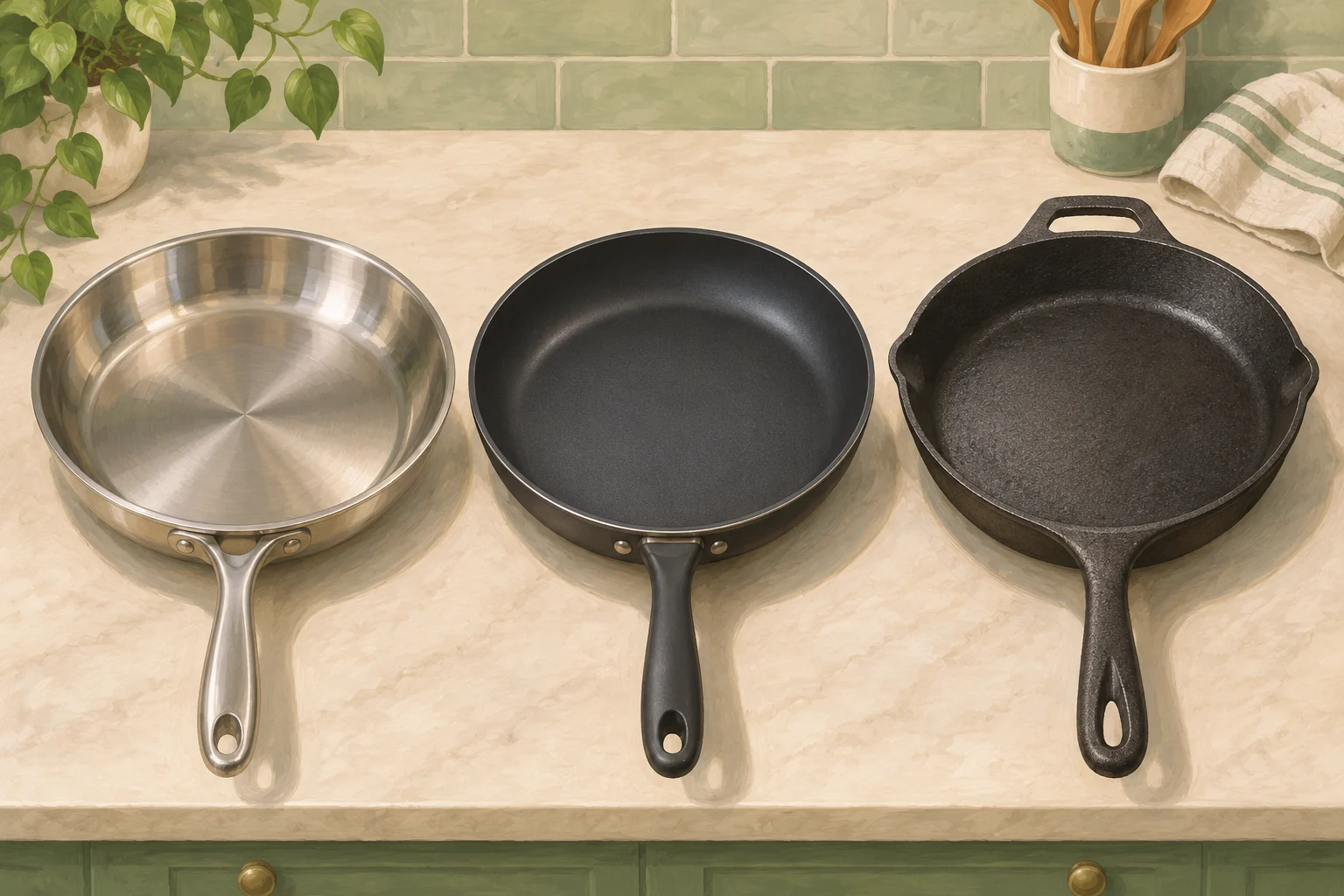
Stainless steel, nonstick or cast iron?
For a broader purchase, our cookware-set guide helps you avoid paying for pieces you will not use. Here, the decision is about the one skillet you will reach for most often.
Stainless steel: our versatile dinner choice
We would favor uncoated stainless steel when the pan needs to move between several kinds of dinner. It is especially appealing if you want to brown food and make a sauce from the browned bits. The tradeoff is learning the heat and release behavior of your particular pan instead of expecting an egg to slide immediately.
The All-Clad D3 Stainless 10-inch Fry Pan is one example of bonded construction with an aluminum core. Its current specification lists induction compatibility and an oven/broiler limit of 600°F. That limit belongs to this model, not every stainless pan or accessory. The manufacturer specifies handwashing.
Do not select a pan only because its material sounds professional. Look at the handle shape, the space available on your stove and whether cleaning around the rivets will bother you. A comfortable pan that fits your routine is a better purchase than a larger one that stays in the cabinet.
Nonstick: useful when easy release matters most
For an egg-heavy breakfast routine, nonstick would be our practical first purchase. Reserve it for the tasks that benefit from its coating rather than asking it to do every job. “Nonstick” describes the cooking surface; the body underneath can be made from different materials.
The All-Clad D3 Pro Nonstick 12-inch Fry Pan, model 4112 NS R3, illustrates that distinction: it has a stainless exterior, aluminum core and PTFE cooking surface, and is induction-compatible. Its product-specific oven limit is 500°F. This is an example to read specifications against, not a requirement to buy a premium pan.
The linked manufacturer use-and-care guide instructs owners of stainless cookware with nonstick coating to avoid the broiler, use low or medium heat, avoid overheating empty cookware and choose utensils that will not scratch the coating. Do not apply the higher uncoated-stainless limits to the nonstick version.
Cast iron: check the weight before the reputation
Seasoned cast iron is worth considering when you are comfortable with the pan’s weight and want to maintain its cooking surface. We would not choose it as the only everyday pan for someone who finds a loaded skillet difficult to lift, even if it has an appealing price.
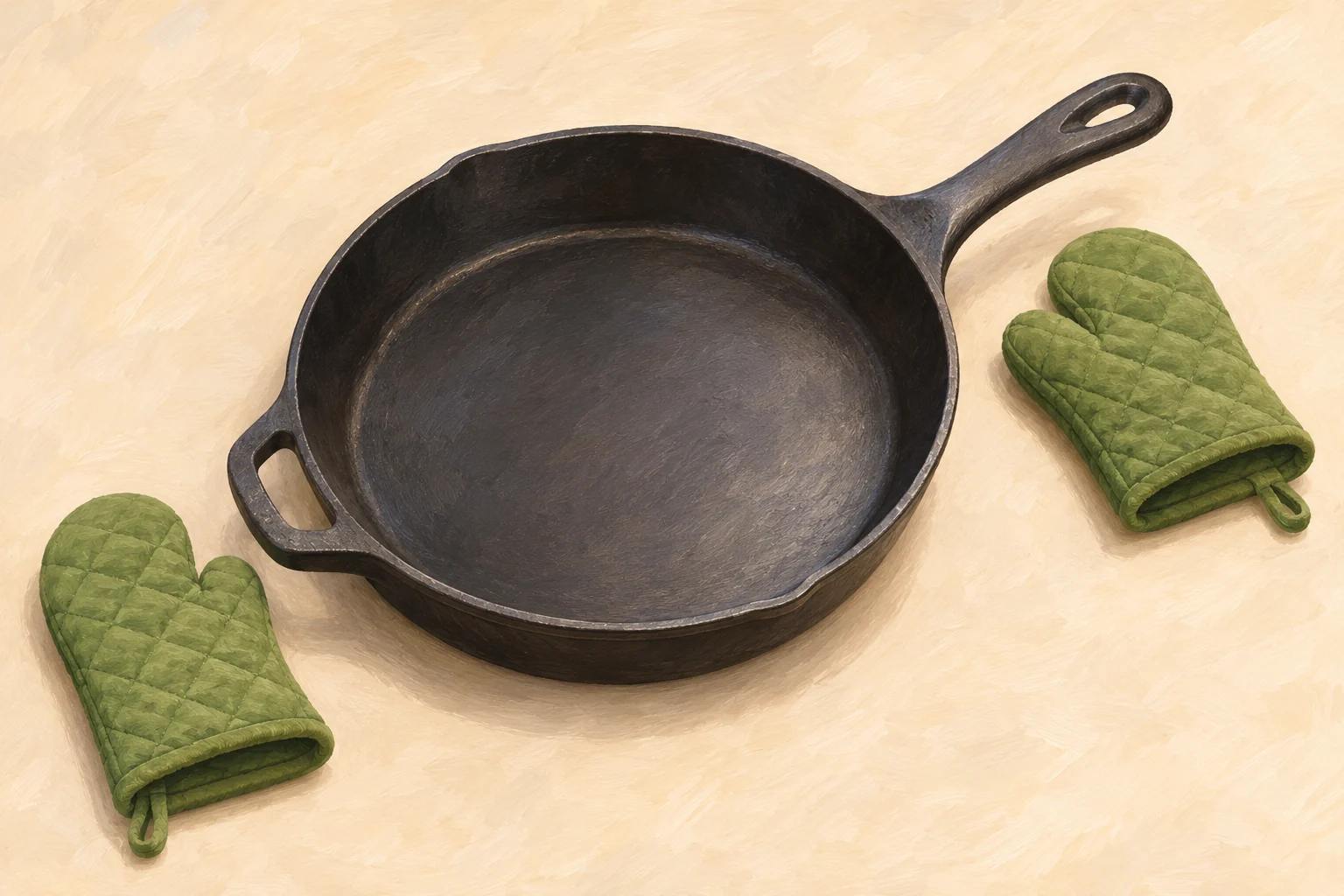
The Lodge Classic 10.25-inch Seasoned Cast Iron Skillet lists a weight of 5.66 lb before food. It has a long handle and an assist handle, and Lodge lists compatibility with induction as well as other stovetops. This concrete weight is more useful than assuming that all pans of the same nominal diameter feel alike.
For routine tomato-heavy dishes or long acidic simmering, we would choose another cooking surface. Lodge explains that seasoning condition and contact time matter with acidic ingredients; a quick splash of lemon is a different use from a long simmer. The comparison here concerns seasoned cast iron, not enamel-coated cast iron.
Check the cooking floor, grip and stove fit
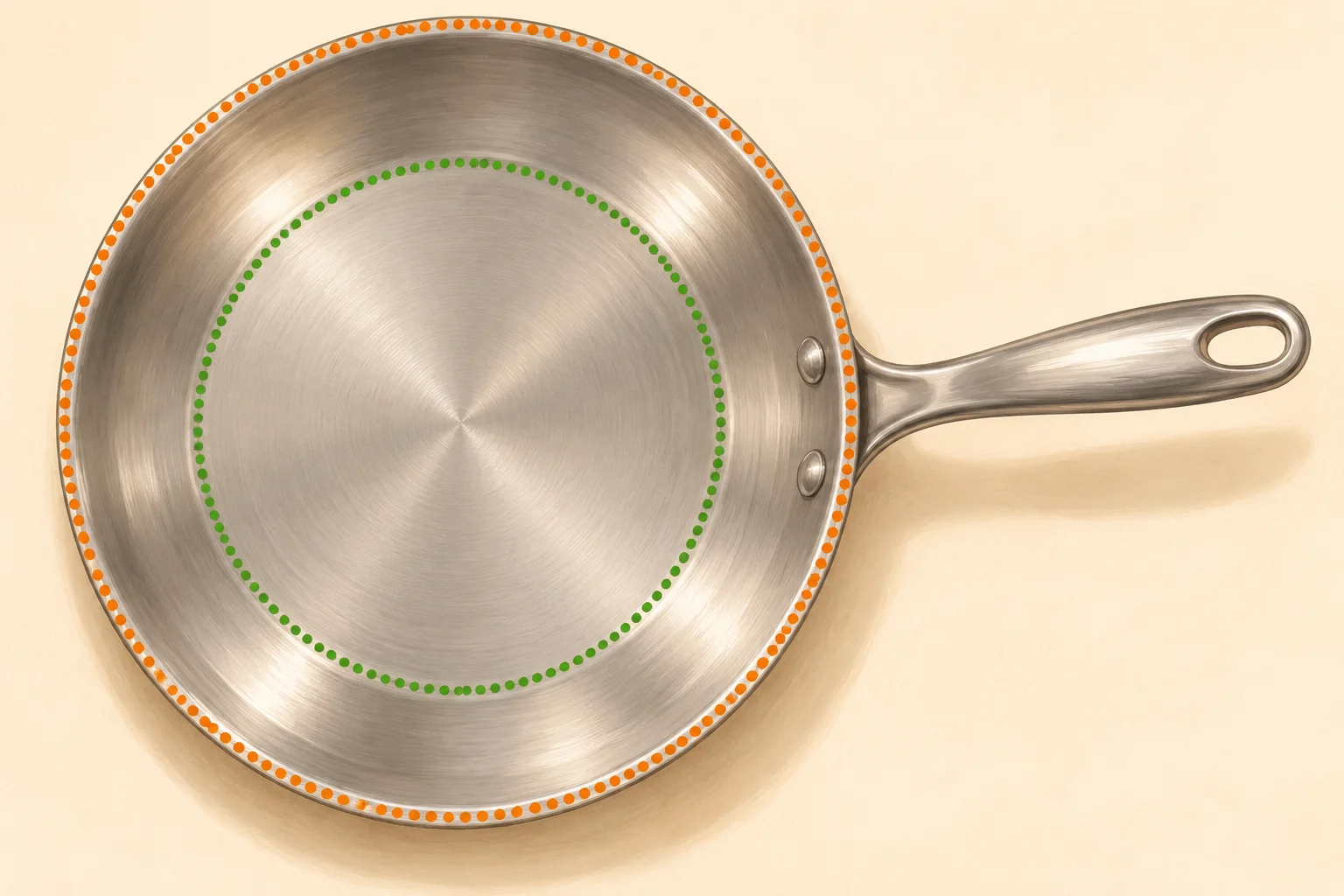
Compare the flat interior where the food will sit, not just the diameter in the product name. Sloping sides can leave less flat room than you expect. Think about whether your usual portions fit in one layer without crowding, then compare that requirement with the actual pan drawing or measurements.
Check the full length, including the handle, against your storage space. If you plan to use the oven, include the handle and any lid in your fit check and read their individual temperature limits. A helper handle can give you another place to grip, but it does not remove the weight of the pan. Use appropriate dry heat protection when handling hot cookware.
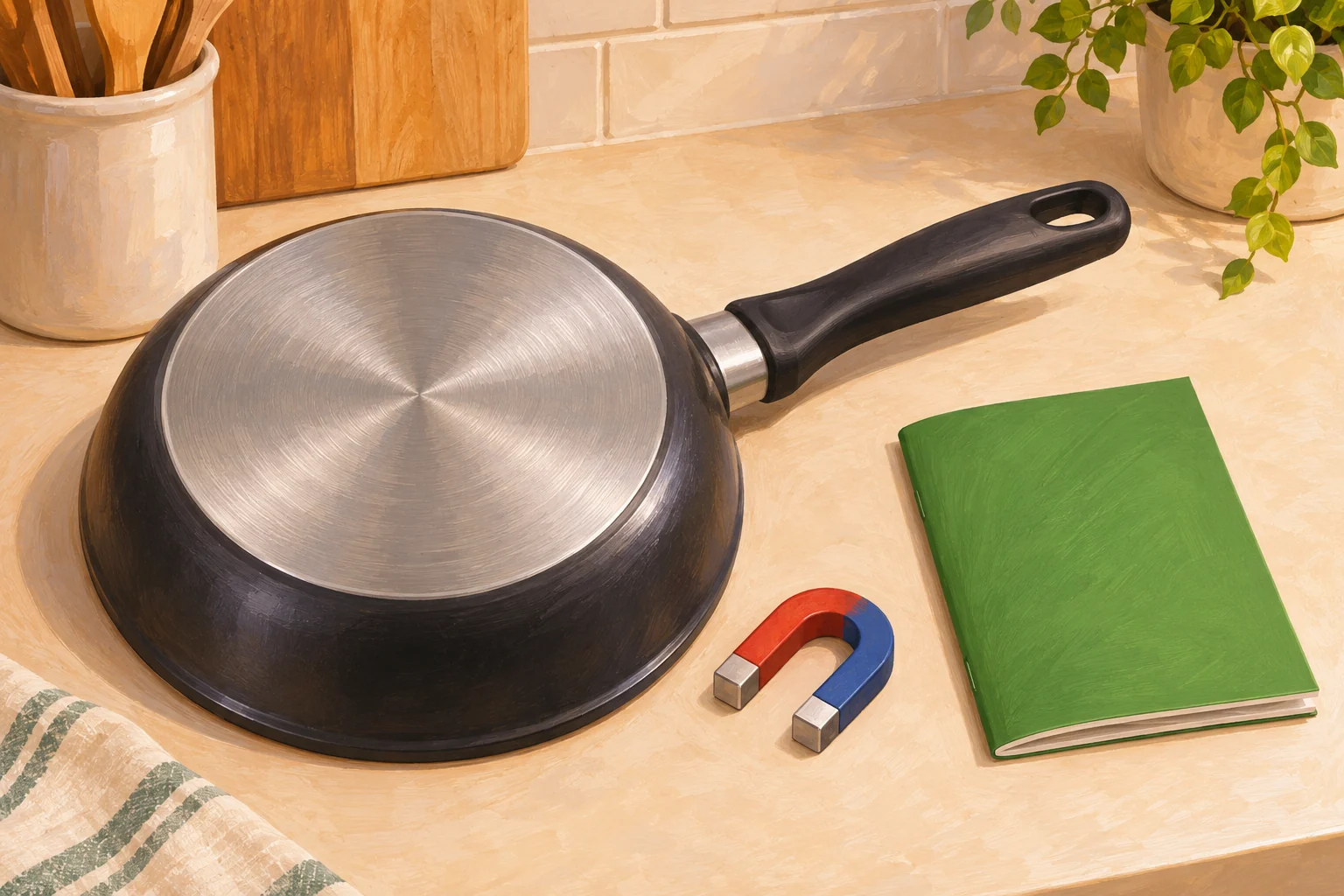
For induction, verify the exact product’s compatibility rather than relying on the words stainless or nonstick. Also check your cooktop manual’s requirements for pan base size and contact. On glass surfaces, lift the cookware rather than dragging it; Lodge’s guidance specifically cautions against sliding cast iron.
Choose a care routine you will actually follow
Before buying, read the cleaning instructions as closely as the feature list. Are you willing to handwash it? Can you reach the inside around the handle attachments? Do you have somewhere to store it without scraping another pan across the cooking surface?
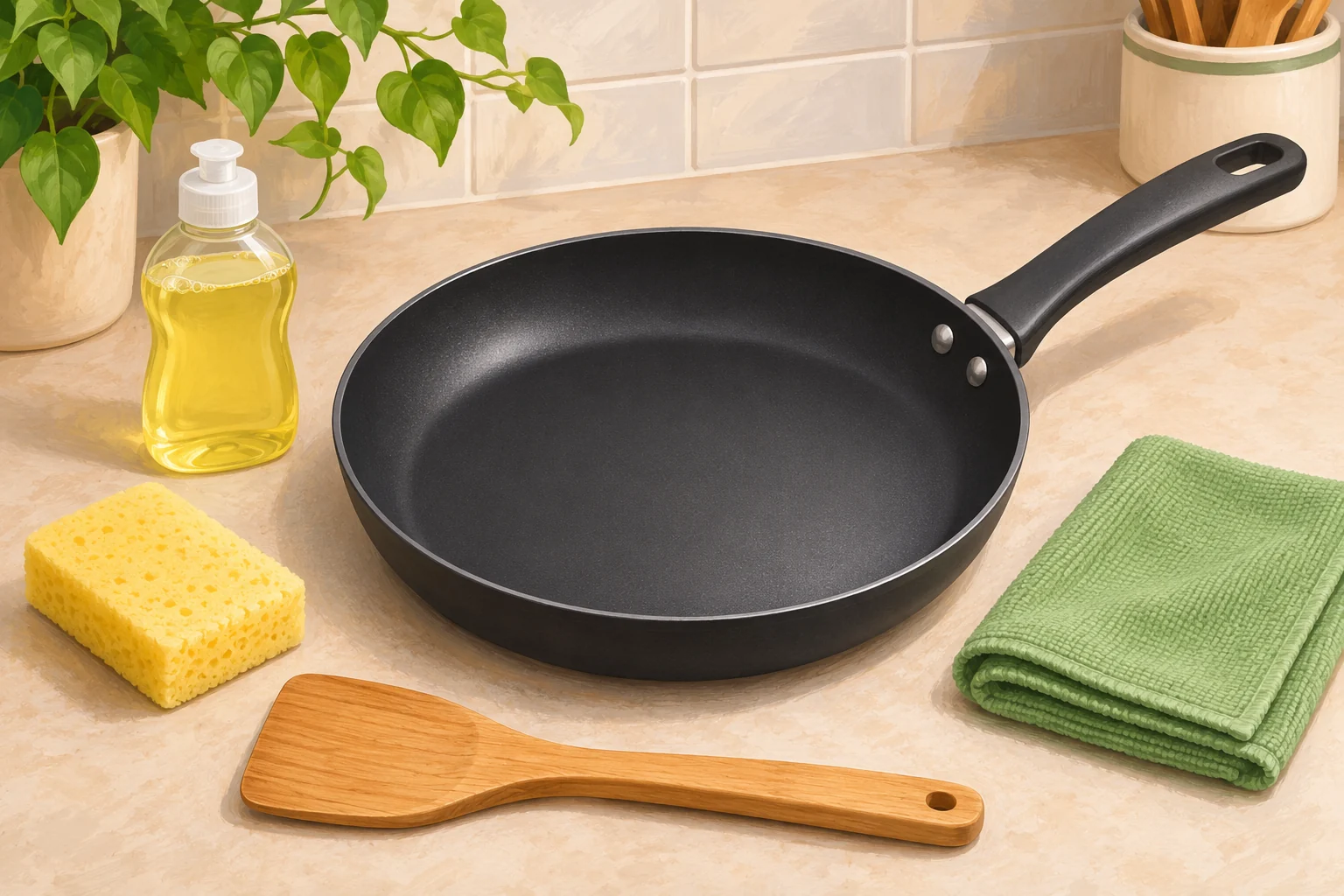
For seasoned cast iron, Lodge recommends washing, drying completely and applying a thin layer of oil. Do not leave it soaking in the sink. For a coated pan, use the exact manufacturer’s cleaning directions rather than copying an abrasive cleaning method intended for bare metal. Let cookware cool before washing.
What we would buy first
Write down the last five meals you cooked in a skillet. If most were eggs or delicate foods, start with a comfortable nonstick pan. If they were varied dinners and sauces, choose uncoated stainless steel. If cast iron fits those meals and its weight and care requirements suit you, it can be a useful alternative.
Keep a pan you already like until you can name what it cannot do. If you later add a second skillet, give it a different job instead of buying another pan that solves the same problem. Find more equipment guides in Kitchen and Baking.
Method: manufacturer specifications and care instructions checked November 8, 2026. Recommendations are editorial judgments about use and upkeep, not results of hands-on testing. Illustrations show generic concepts, not the named products.
Plan Your Week with Our Free Meal Planner
Choose seven days of meals, adjust portions, and download your shopping list. No email signup needed.
Open the Free Planner →
