For low-carb bread, we would choose a bread machine only after finding a recipe written for that machine or a clearly compatible cycle. Adjustable kneading, rising and baking stages are useful if you already know what your dough needs. If your favorite loaf is a quick, no-yeast batter bread, a bowl and an oven may be the simpler purchase.
Our priority is recipe compatibility, followed by usable loaf size and counter space. A button labeled “Low Carb” is a starting point, not proof that every almond-flour recipe will work. This guide compares features to help you choose equipment; it does not provide a tested bread-machine recipe.
Start with the kind of bread you want
Bring one recipe to your shopping comparison. Write down whether it uses yeast, the recommended appliance or pan, and its batch size. Then look for a matching method in the machine’s manual. Buying the appliance first and hoping to adapt a favorite oven recipe creates extra work.
Low-carb baking includes very different doughs. King Arthur’s baking guide distinguishes wheat-based keto flour suitable for yeast baking from almond flour, which behaves differently and cannot simply replace all-purpose flour. Its Easy Keto-Friendly Bread is an oven-baked, no-yeast example. Those are different jobs for a machine.
For a recipe that already works in your oven, ask what a machine would save you: mixing effort, supervision, oven space, or repeated setup. If it only replaces a brief stir in a bowl, we would spend the money elsewhere. If you regularly make compatible yeast loaves, automated mixing and timing may be worthwhile.
Features we would compare first
- Recipe support: Look for a complete manufacturer recipe or reliable machine-specific method, not just a menu name.
- Editable stages: Check which steps can be changed, skipped or saved. A delay timer controls when cooking starts; it does not make a cycle customizable.
- Batch fit: Confirm the recipe’s allowed quantity for its particular program. The largest advertised loaf is not the right size for every recipe.
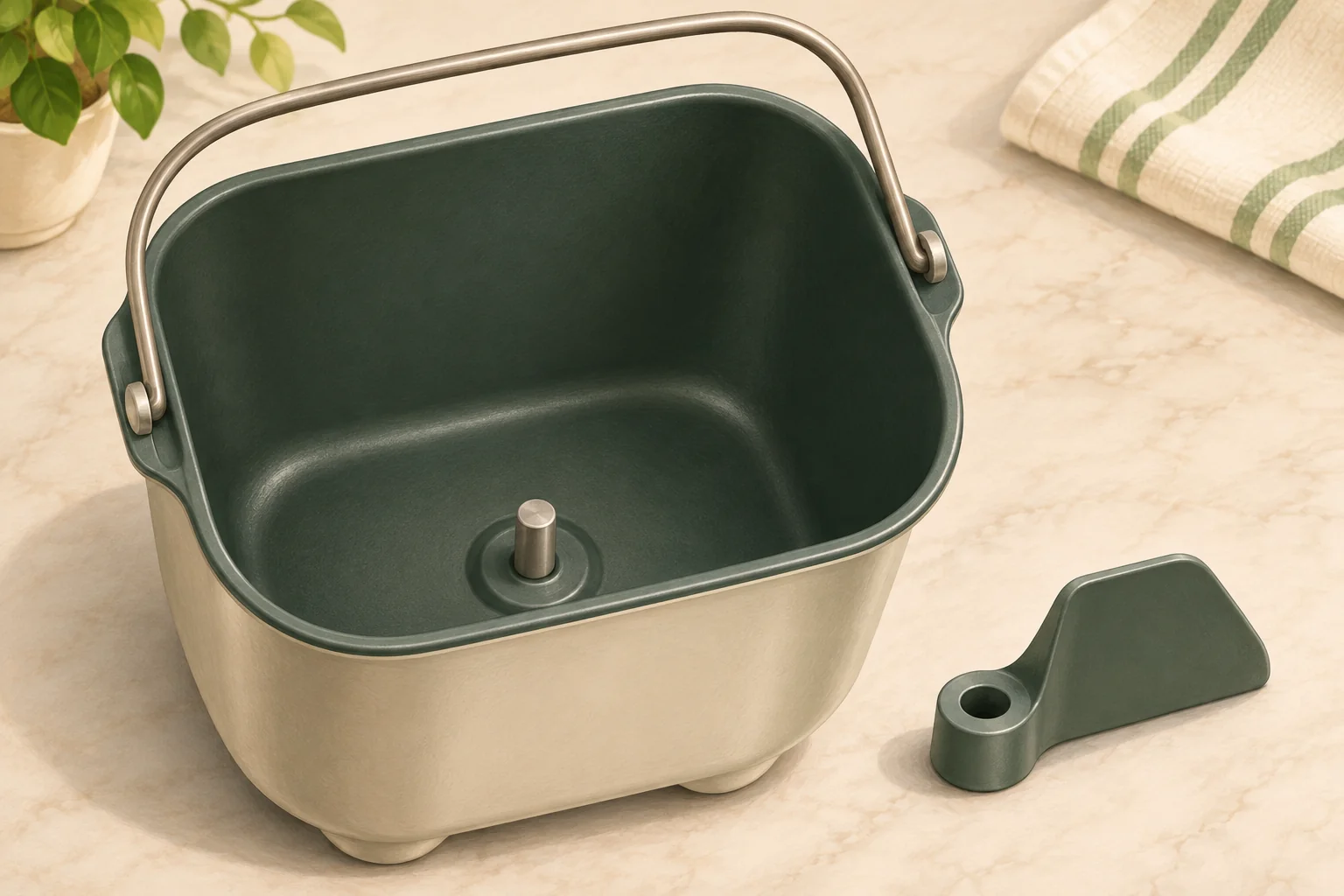
- Pan and paddle access: Consider removing the loaf, reaching the corners and obtaining replacement parts.
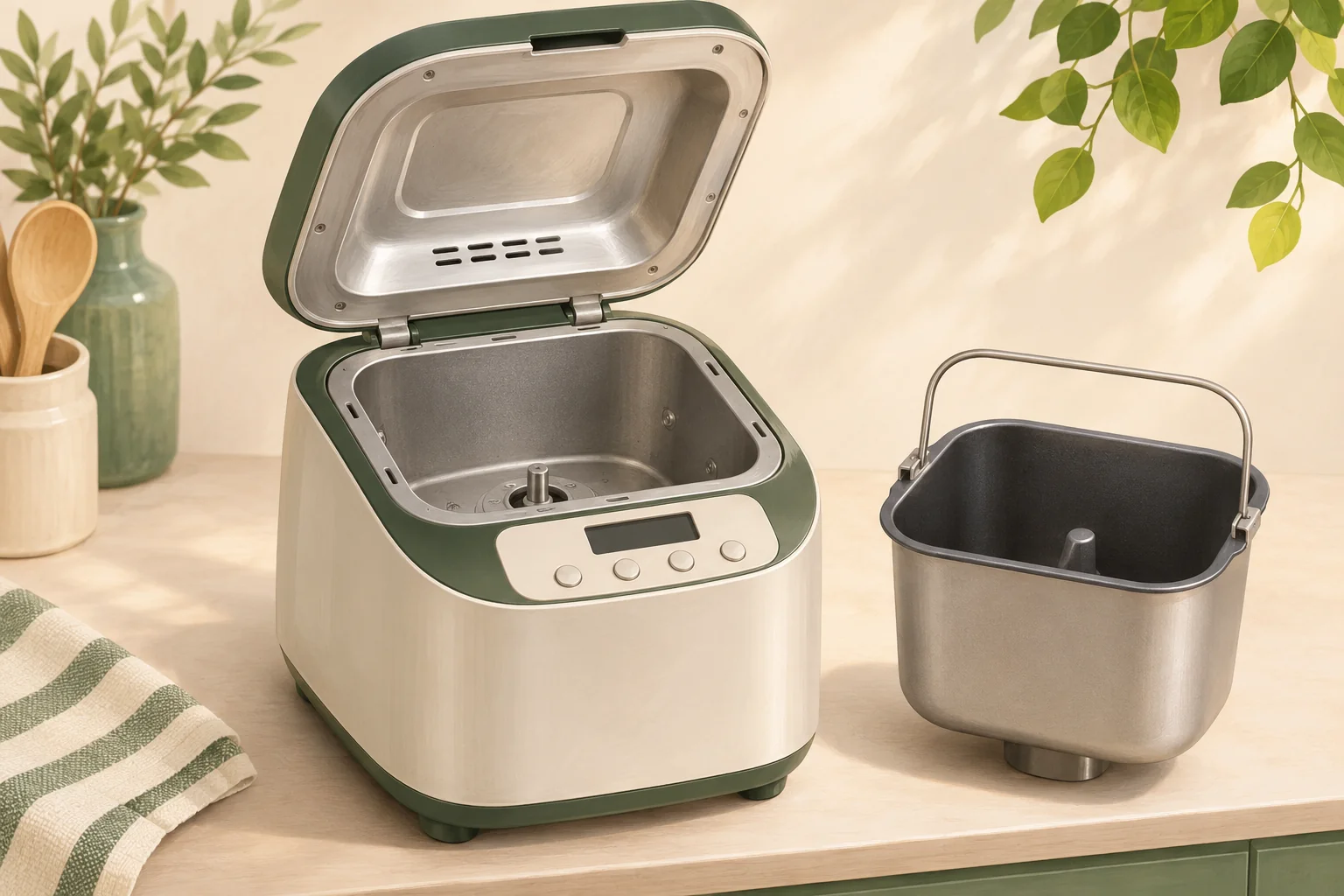
- Working space: Allow room to open the lid and lift out the pan, in addition to the appliance’s closed dimensions.
Two current U.S. examples
These models illustrate different feature choices. We have not baked test loaves in them, so we are not ranking their bread texture or assigning performance scores.
Breville Custom Loaf BBM800XL
Breville lists nine saved custom settings and a collapsible kneading paddle. Published dimensions are 16.4 × 9.6 × 13.3 inches (W × D × H). See the U.S. product page.
Our take: Worth shortlisting if you will keep several different programs. That flexibility has little value if you intend to use only one ready-made recipe.
Cuisinart Custom Convection CBK-210NAS
Cuisinart lists three loaf sizes up to 2 pounds, adjustable programs and a removable pan and paddle. Its dimensions are 12.25 × 8.85 × 13 inches, labeled L × W × H. See the current NAS listing.
Our take: A reasonable feature shortlist for someone who wants a supplied low-carb program. Check the recipe and exact model suffix before buying; older CBK-210 listings may describe a discontinued version.
Read the cycle details before paying for flexibility
The manual linked from Cuisinart’s NAS page allows one saved custom program. Its Low Carb recipes use one batch size, approximately a 2-pound finished loaf; the standard Dough/Pizza Dough program excludes low-carb dough. Do not assume every program offers every size.
Breville’s manual covers modifying stages and storing custom settings. Use its program limits, rather than transferring timings from another machine.
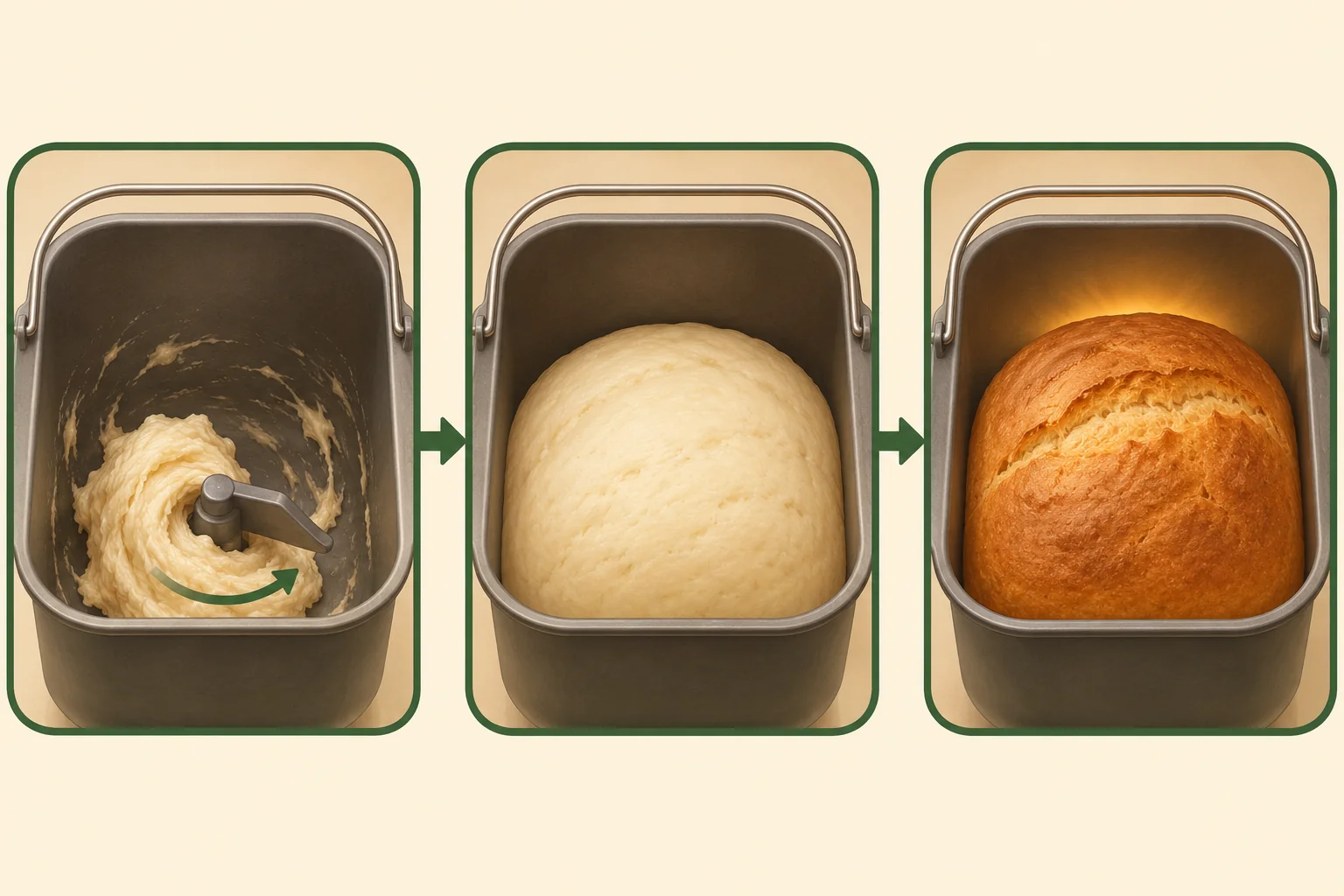
A useful comparison exercise is to put the recipe instructions beside the cycle chart. Can the machine carry out each required step? Would you need to stop it and finish by hand? Is that acceptable on an ordinary weekday? A custom memory is most useful once you have a working method worth saving.
We would not buy a programmable machine as a promise to rescue an unproven recipe. It gives you controls, but you still need an appropriate formula and practical validation. Avoid changing the flour, batch size and cycle together on the first attempt.
Check the space where you will actually use it
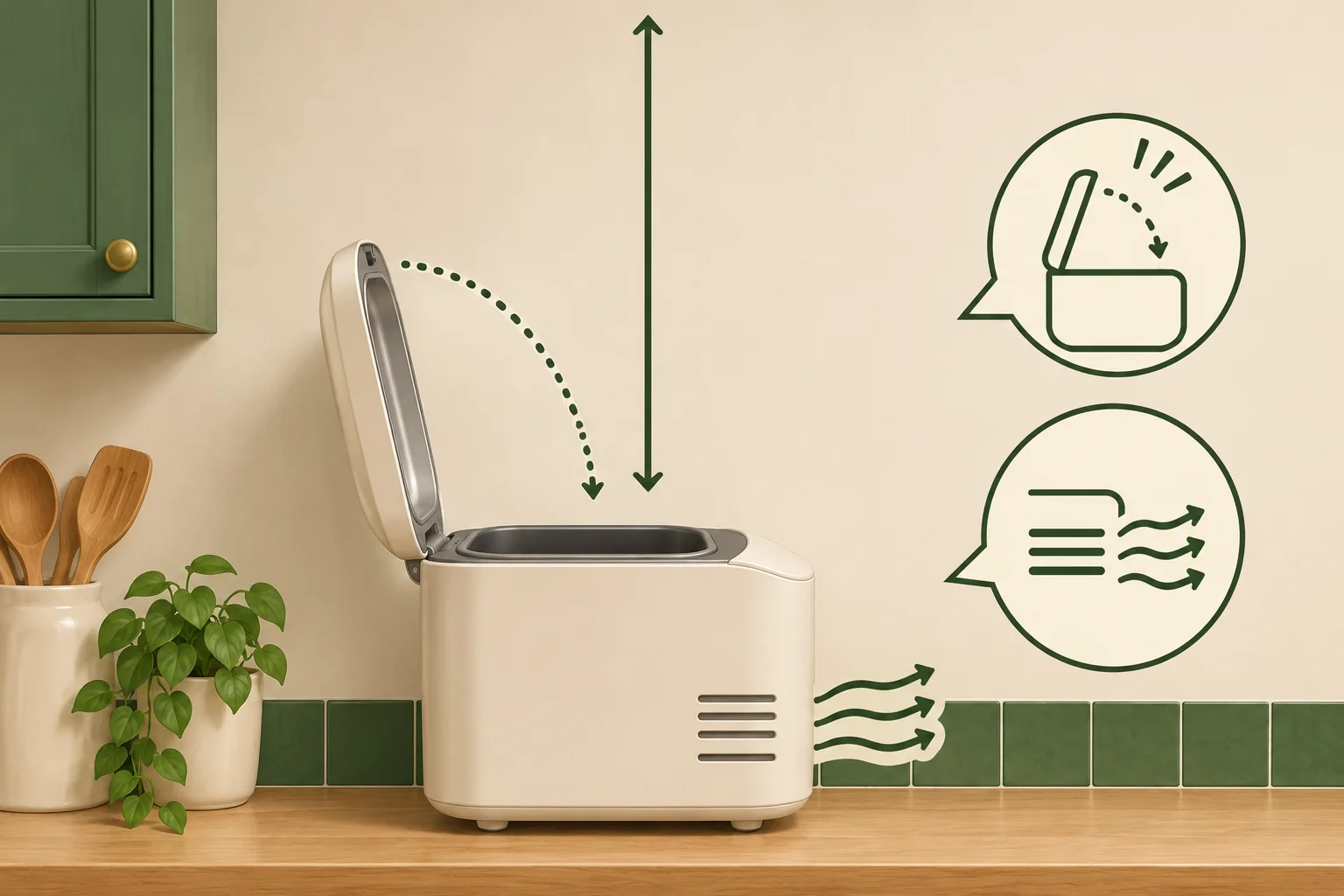
Mark the closed footprint on your counter with paper, then consider the lid and the pan’s upward removal path. The published dimensions above use different axis labels, so compare them carefully. Also think about where the hot pan will go and whether you can lift it comfortably with oven mitts.
For operation, follow the exact manual’s ventilation rules. Cuisinart warns against use under a wall cabinet. A machine that fits in a cupboard for storage may still need a different, open working position.
Cleanup and everyday convenience
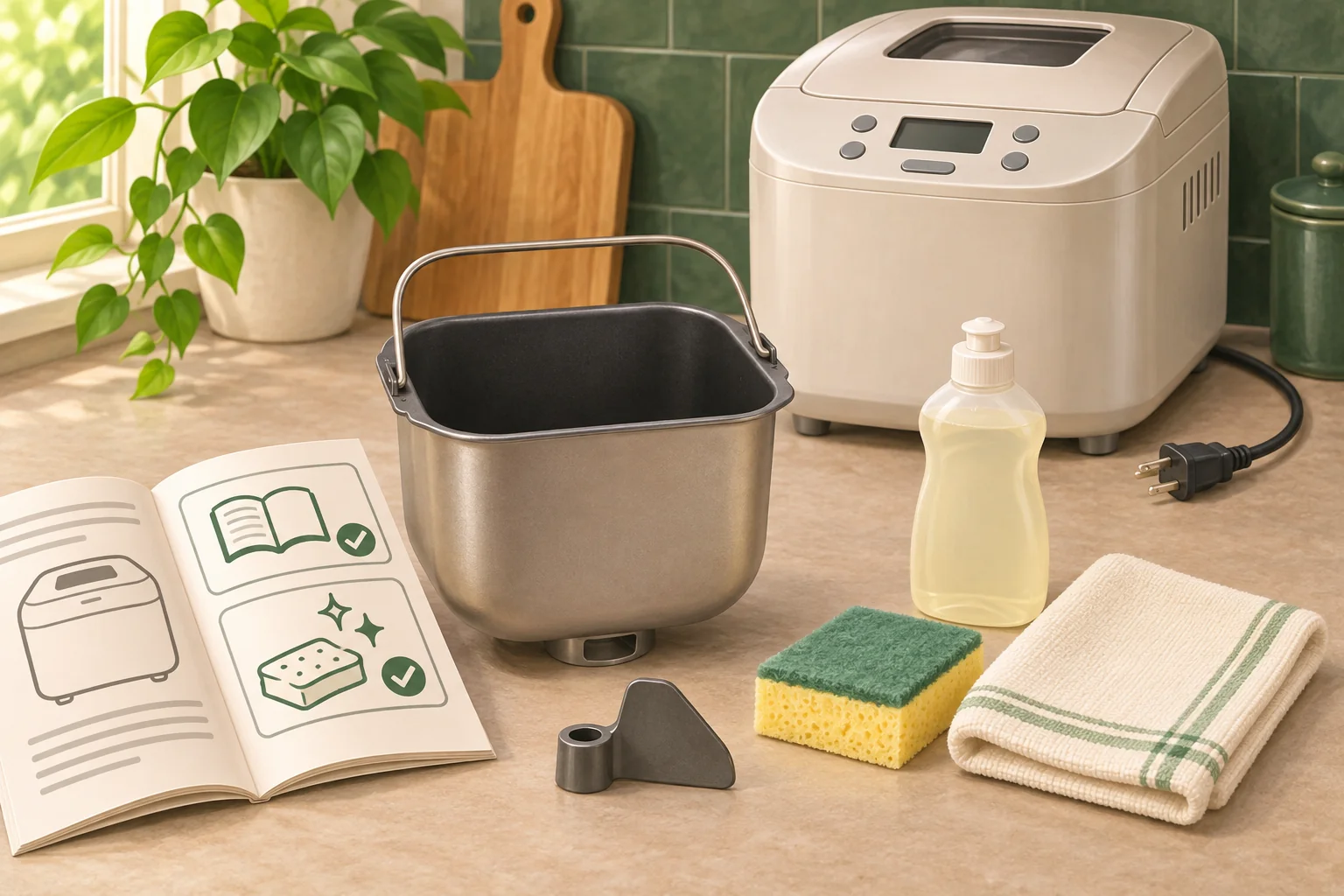
Inspect the removable parts before choosing. Can you reach around the paddle shaft without scraping the coating? Is a replacement pan available for the exact model? An impressive program list will not make an awkward cleanup routine easier.
Let the machine cool, unplug it, and follow its cleaning instructions. Breville cautions against immersing the outside of its pan and prohibits delayed starts with perishable ingredients such as eggs or dairy. Plan your schedule around the actual recipe rather than assuming you can load any mixture the night before.
Our buying decision
Buy for a specific bread you expect to make regularly. Choose multiple saved cycles if you already have several compatible methods; choose a simpler machine if one supported recipe meets your needs. Keep your oven setup if quick batter loaves are what you actually enjoy baking.
Before ordering, save the exact manual, check parts support and measure the working area. For other equipment decisions, visit Kitchen and Baking.
Sources and model details checked November 9, 2026. Recommendations are editorial judgments based on manufacturer specifications and recipe guidance, not hands-on testing. Illustrations are generic AI-generated educational artwork, not photographs of the named machines.
Plan Your Week with Our Free Meal Planner
Choose seven days of meals, adjust portions, and download your shopping list. No email signup needed.
Open the Free Planner →
