

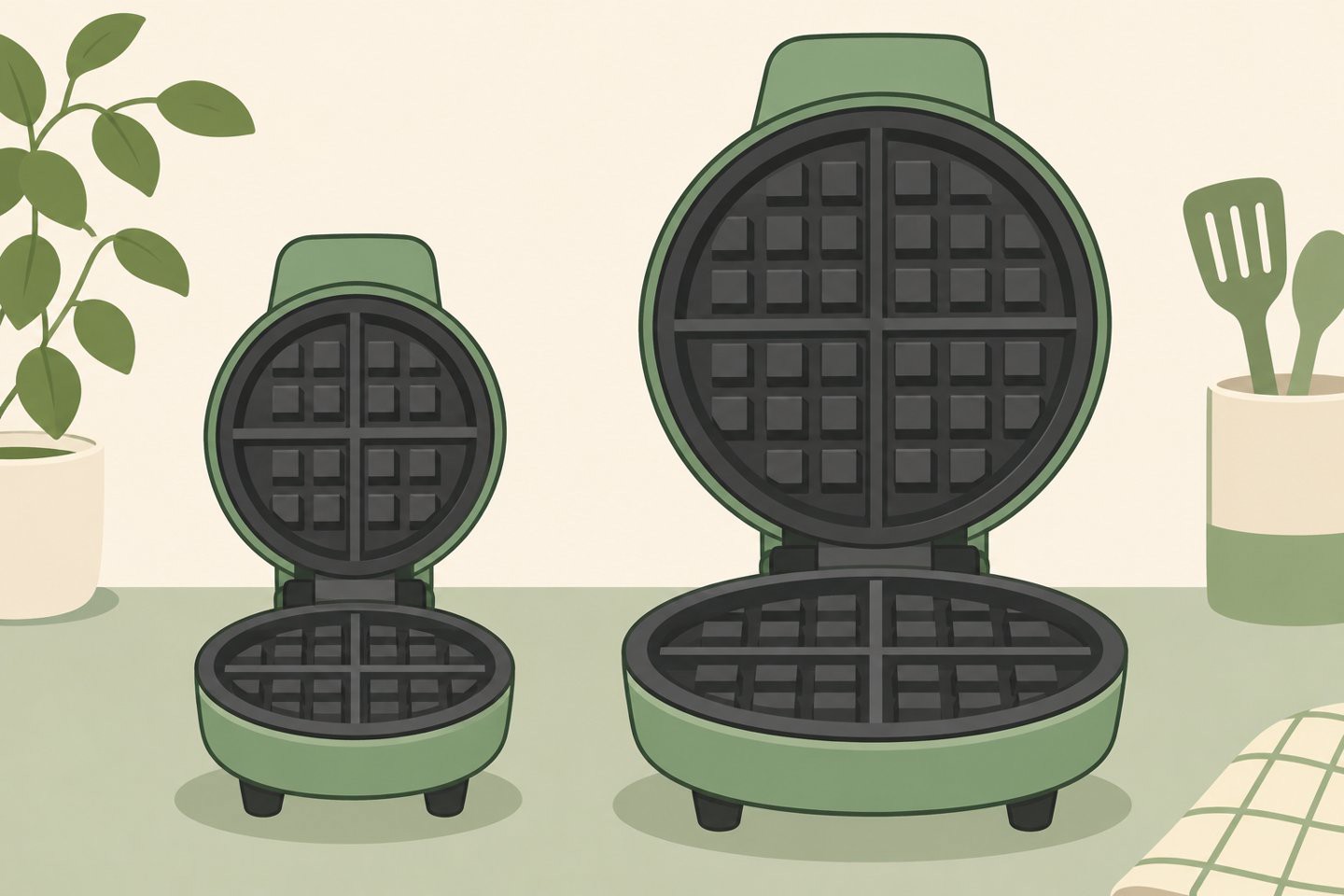
For chaffle sandwich rounds or one serving at a time, we’d start with a mini waffle maker. A full-size classic iron earns its space if you prefer a larger round and want a browning dial. If you need several small chaffles ready together, look for separate wells sized for the portions you actually serve.
Match the plate to the portion
A chaffle is a waffle made with egg and cheese as the base. If you use two chaffles as sandwich halves, think about how much space you want for the filling. Compare the usable grid diameter with the bread or bun you normally reach for. Measure the outside of the appliance separately when checking your cabinet.
A single large grid cooks a larger piece in one cycle. Cutting it into wedges gives you a different shape from individual rounds. If you serve a household that wants small rounds, a multi-well mini maker could solve the waiting problem while preserving the shape.
| Format | When we’d choose it | What to check |
|---|---|---|
| Single mini | When we’d choose itOne or two small sandwich rounds | What to checkUsable grid diameter and number of cycles |
| Classic full-size | When we’d choose itOne larger round or sections to share | What to checkGrid depth, browning dial and lid clearance |
| Multiple small wells | When we’d choose itSeveral individual rounds per batch | What to checkWell diameter, space between wells and cleaning access |
Two manufacturer examples
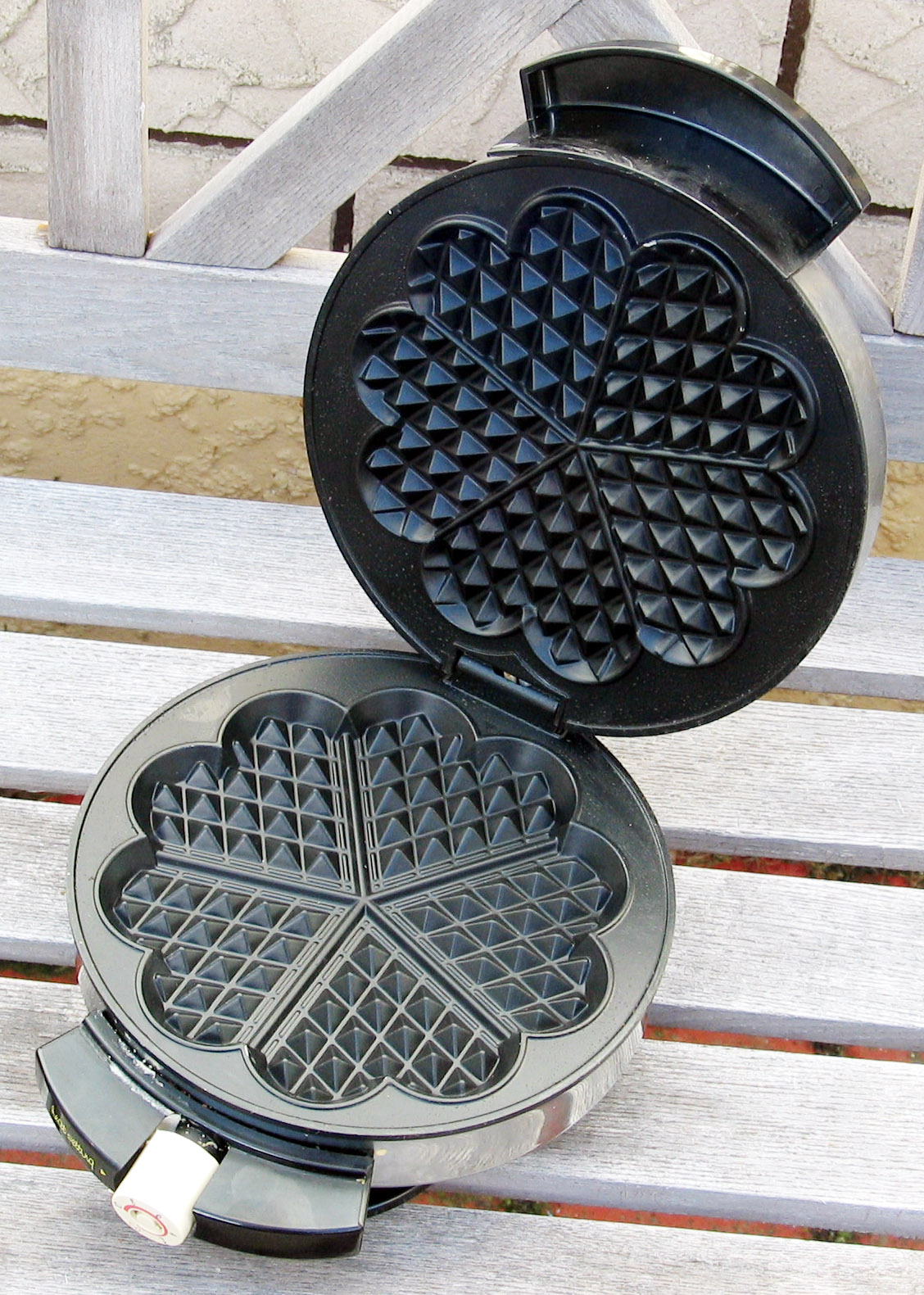
The Dash DMW001 Mini Waffle Maker makes a 4-inch waffle on fixed nonstick grids. Its instruction guide shows a preheat indicator and no user browning dial. That makes it a straightforward example of the single-mini format. Plan on a separate cycle for each round.
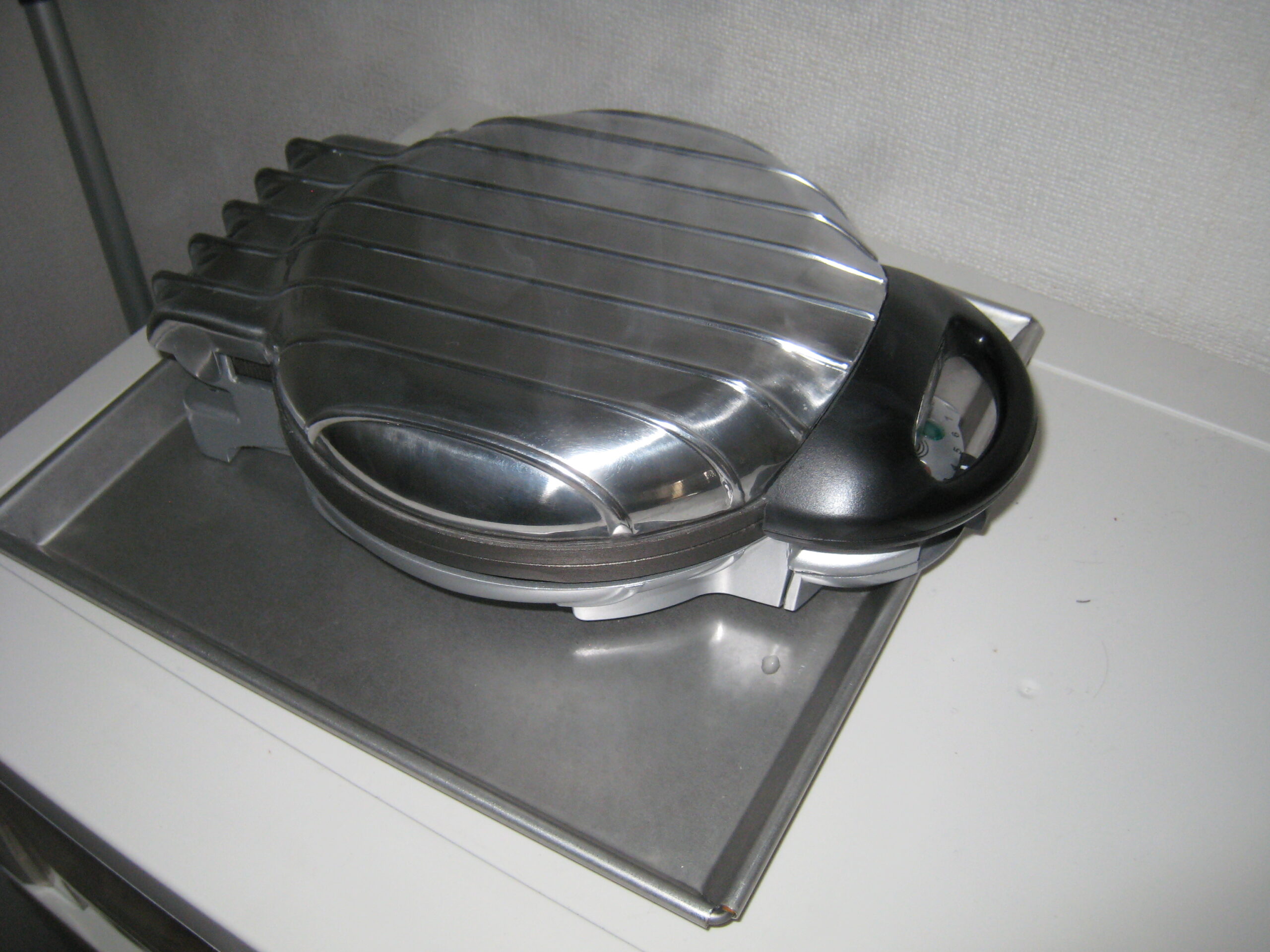
The Cuisinart WMR-CANAS Round Classic Waffle Maker makes one large traditional-style waffle and has five browning settings. Its red and green lights indicate stages in the cooking cycle. Use the model’s instructions to interpret them. The WMR-CANAS manual describes wiping the fixed grids and storing the appliance upright as directed. Check the exact model and its manual before buying, especially if cabinet fit depends on a specific dimension.
Choose controls you’ll use
A dial is helpful when you use the same iron for different batters or want a repeatable starting setting. A basic mini iron has fewer choices to make. Check what each light means before you depend on it. A preheat signal tells you about the appliance, and the instructions for your batter tell you how to check the food.
Look at the plates, rim and hinge
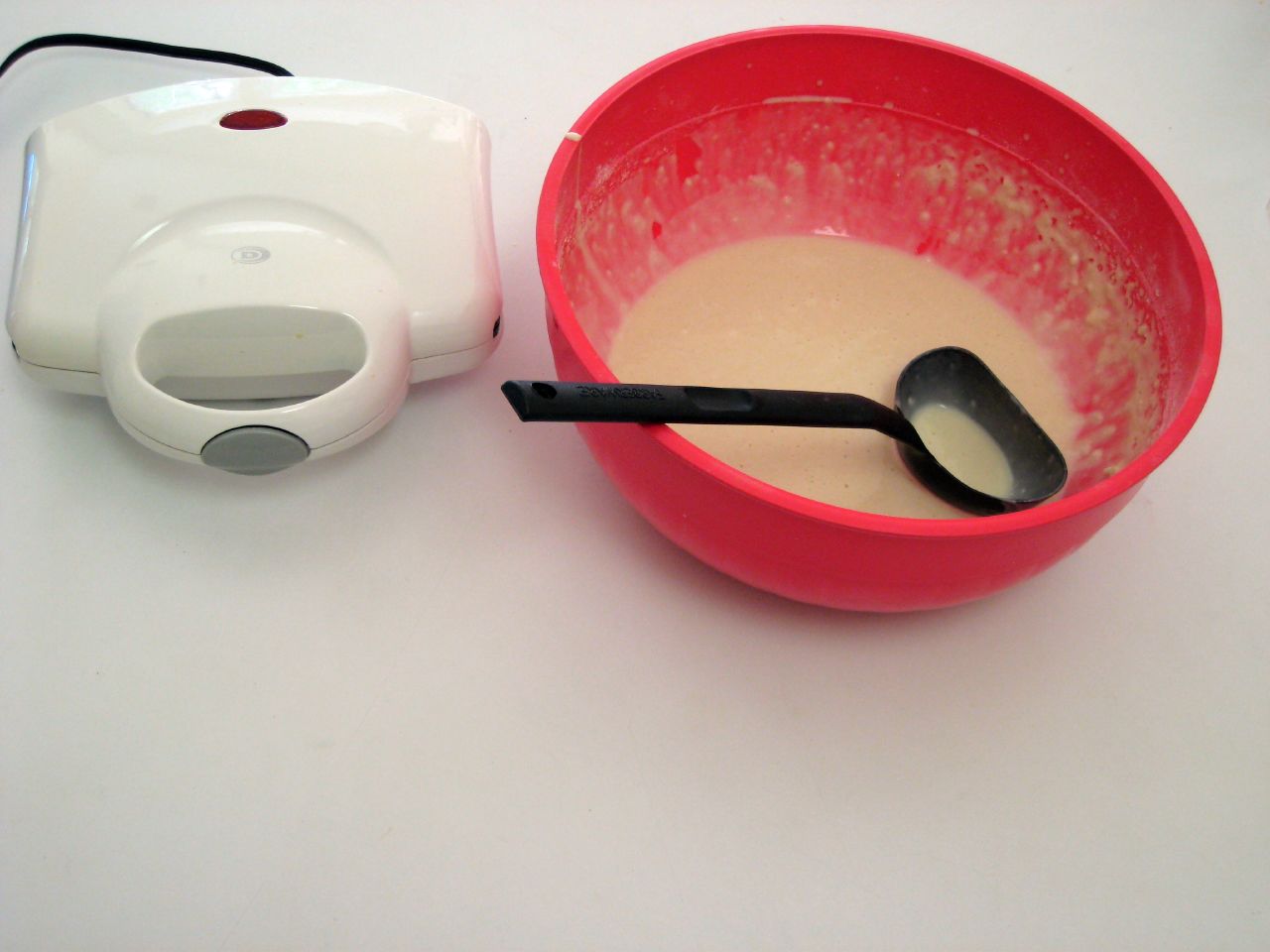
Cheese can collect in the grooves and around the outer rim. Look for a design you can reach with a soft cloth after it has cooled. If the plates lift out, check the manual for how to remove them and whether the manufacturer allows dishwasher cleaning. With fixed plates, follow the wipe-clean directions and keep the electrical base out of water.
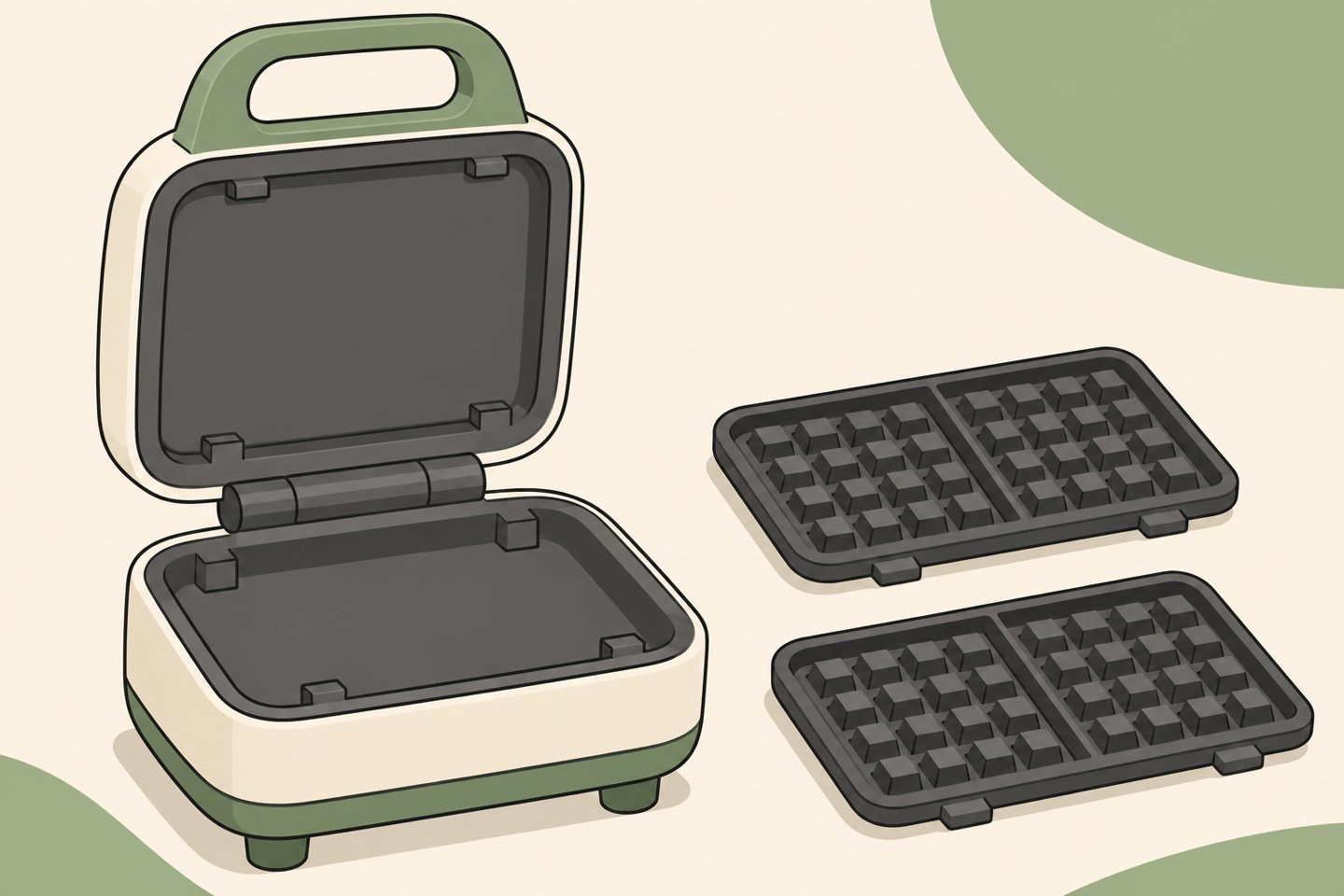
Look at the hinge while the iron is open. Check whether you can reach the rear edge of each grid and whether the lid can open fully where you plan to cook. A handle that fits on the shelf when closed can still need more room to lift on the counter. Follow the appliance’s instructions for cooling and cord storage.
What we’d buy first
Buy a single mini if you mainly make small rounds and can cook them in sequence. Choose a classic iron with a dial if you regularly want a larger piece. For several small portions in the same sitting, compare separate-well designs and check that every well fits the size you want. If your current iron already gives you the right shape and cleans up easily, start there.
Find more equipment comparisons in Kitchen and Baking.
Plan Your Week with Our Free Meal Planner
Choose seven days of meals, adjust portions, and download your shopping list. No email signup needed.
Open the Free Planner →


