

Base Culture Original Keto Bread earns a place on our shortlist for gluten-free toast. We like its role as an alternative for people who cannot use the wheat-based breads that dominate the low-carb aisle. Our advice is to buy one loaf, try it toasted with a topping you enjoy, and decide whether its more substantial texture is for you.
A bread can be a good buy for one person and an expensive disappointment for another. With Base Culture, the dividing line is fairly clear: how much you value its gluten-free formula, and whether you enjoy a firmer style of bread. That is more useful than simply declaring it “keto-friendly.”
What do people actually like about it?
The Original Keto customer reviews collected by Instacart include buyers who enjoy the flavor and compare it favorably with whole-grain bread. There is also a review criticizing dryness and early spoilage. It is a small, older review sample, but it makes the disagreement easy to see: some shoppers enjoy the bread; others find the texture a deal-breaker.
The broader Cozymeal bread comparison also describes Base Culture as denser than standard sandwich bread and better suited to toasting or warming, with dryness or crumbling a possible downside when eaten untoasted.
Our recommendation follows that pattern. Start with toast, especially if soft supermarket bread is your usual choice. Do not buy it expecting a barely noticeable swap in every sandwich. The appeal is having a useful gluten-free option that fits your meals, even if its bite is different.
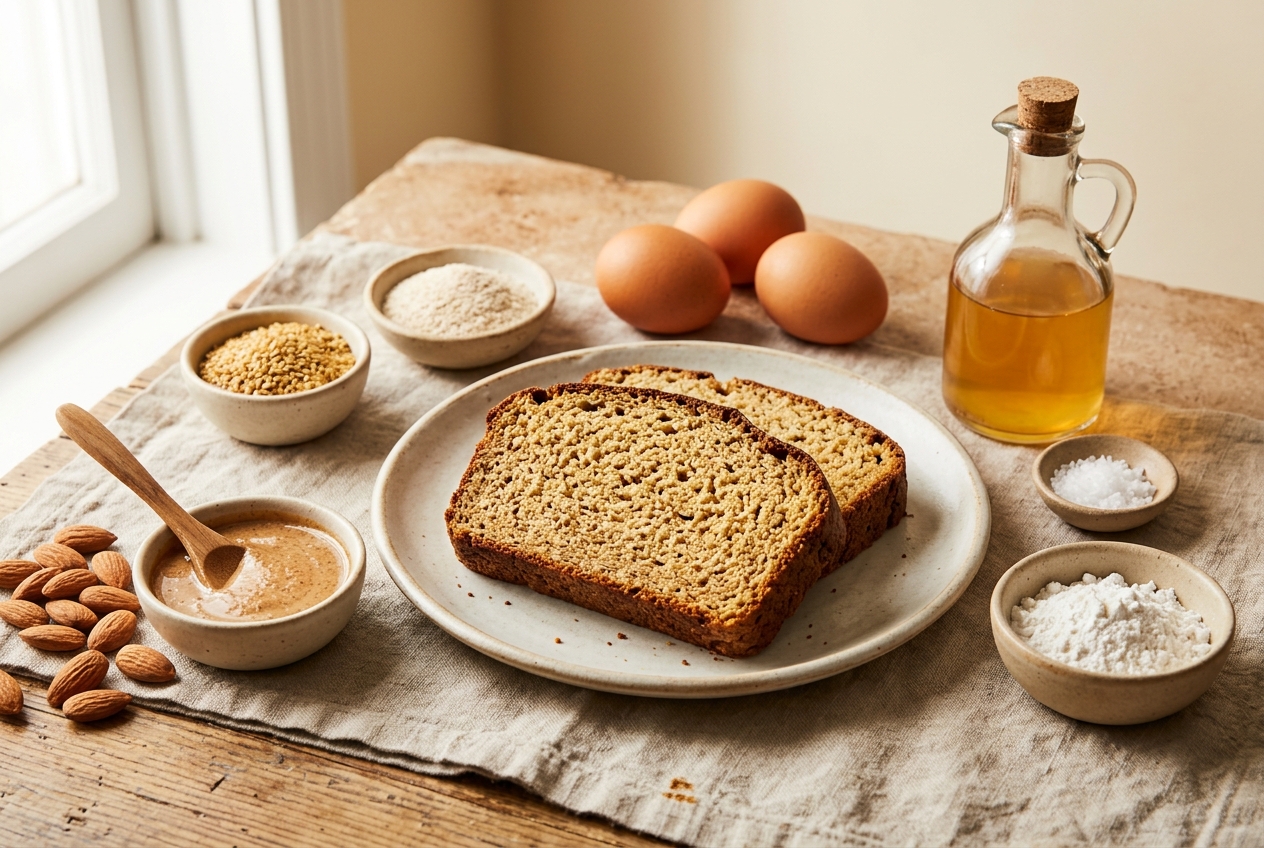
How we would serve Base Culture bread
Our first choice would be avocado toast or a slice with butter and an egg alongside. A topping gives the bread a clear purpose, and an open-face meal lets you decide whether one slice is enough for you.
For a sandwich, try toasting the slices lightly and allowing steam to escape before assembling it. Add a filling with some moisture, such as egg salad, rather than starting with a dry stack of bread and lean meat. Keep tomato or other wet ingredients separate if the sandwich will sit in a lunch bag.
We would also consider a small open-face melt. Warm the topping gently and watch the edges so the bread does not overcook while the center heats. These are practical ideas to try, not a claim that every toaster, skillet or batch produces the same result.
If you dislike the first plain bite, a toasted slice is worth trying before giving up on the loaf. If you still dislike it, move on. A bread that fits your carb target but makes breakfast less enjoyable is not a bargain.
Why its ingredients matter to the choice
Base Culture’s Original Keto formula uses eggs, almond butter, flaxseed, arrowroot, psyllium and almond flour, along with water, vinegar, salt and baking soda. The brand identifies it as gluten-free and grain-free. It contains egg and almond and is not vegan.
That gives us a clear reason to recommend considering it: someone who needs gluten-free bread cannot simply switch to a loaf built around wheat gluten. Base Culture addresses that gap. It is not automatically a better choice for someone who eats wheat happily and wants the softest possible sandwich.
Almond-based bread also will not suit a household avoiding tree nuts. Check the current bag for the complete allergen information. That is a buying decision to settle before comparing stars.
Carbs without the homework
The retailer listing for Original Keto Bread gives 8 g total carbohydrate and 4 g fiber per slice, or 4 g net carbs. A two-slice sandwich therefore starts at 8 g net carbs before the filling. Check your package because retailer data and formulas can change.
For us, the practical question is whether that portion fits the way you eat. Someone with a tight daily carb target may prefer an open-face meal. Someone simply reducing bread carbohydrates may be happy with two slices.
You do not need to choose whichever loaf prints the smallest number on the front. Consider whether you like it, whether you can eat its ingredients and how much you will actually use. Our guide to bread labels covers the calculation without turning breakfast into a research project.
Storage is part of the deal
This loaf is sold frozen. Base Culture recommends refrigeration for up to 14 days, or freezing for up to nine months. Follow the directions on your bag.
Our preference would be to keep most of the loaf frozen and take out a few slices at a time. That makes more sense for an occasional toast eater than committing to finishing the whole thing quickly. Separate slices gently; forcing a knife between rock-hard pieces is not worth it.
Before putting groceries away, decide which portion you will use soon. A little planning matters more here than with a loaf you routinely leave on the counter. See our bread-freezing guide for portioning ideas.
Is Base Culture worth buying?
Yes, as a trial purchase for a gluten-free bread eater who enjoys toast and accepts a different texture. We would buy one loaf locally before paying delivery costs or ordering a bundle. Compare the shelf price with the number of meals you expect to get from it.
We would be less enthusiastic if your goal is soft, untoasted sandwich bread and you have no reason to avoid wheat. In that case, compare our Great Low Carb Plain Bread review, which addresses a different kind of loaf. Neither earns its place in your kitchen just by calling itself keto.
Look for the exact name Original Keto Bread. Base Culture makes other breads, and comments about a different variety do not automatically describe this one.
How LessCarby awards stars
We rate how worthwhile a product is for the reader we recommend it to. Taste and texture carry the most weight, followed by usefulness for everyday meals, carbohydrate fit, ingredients and value. A very low carb number cannot rescue bread people do not enjoy eating.
- 5 stars: An exceptional recommendation with very few compromises.
- 4 stars: A strong buy for its intended audience.
- 3 stars: A useful option with noticeable tradeoffs.
- 2 stars: Disappointing; better alternatives are worth seeking.
- 1 star: We would pass.
Half stars sit between those descriptions. This is an editorial score, not a customer-rating average or a laboratory result. We explain the reason for the score and revise it when the product or evidence changes.
Our review approach
Maximo has tasted this bread. This update also draws on published customer feedback and product information. The 3.5-star score is LessCarby’s editorial recommendation, not an imported retailer average. We have kept the mixed texture feedback visible rather than pretending there is a single opinion shared by every buyer.
Save This Post on Pinterest
Keep either graphic with your bread comparison ideas.
Plan Your Week with Our Free Meal Planner
Choose seven days of meals, adjust portions, and download your shopping list. No email signup needed.
Open the Free Planner →
