

Low-carb bread pizza is a quick personal pizza built on a slice of low-carb bread instead of dough. Toast the bread first, add a thin layer of sauce, cheese, and modest toppings, then bake until the cheese melts and the edges are crisp. The first toast is the difference between a sturdy base and a soggy one.
This is a flexible, editorially developed method rather than a recipe we have personally tested. Oven performance, bread thickness, sauce moisture, and toppings vary. Use the visual cues below and check your particular bread’s label before making carbohydrate or allergen assumptions.
Low-carb bread pizza at a glance
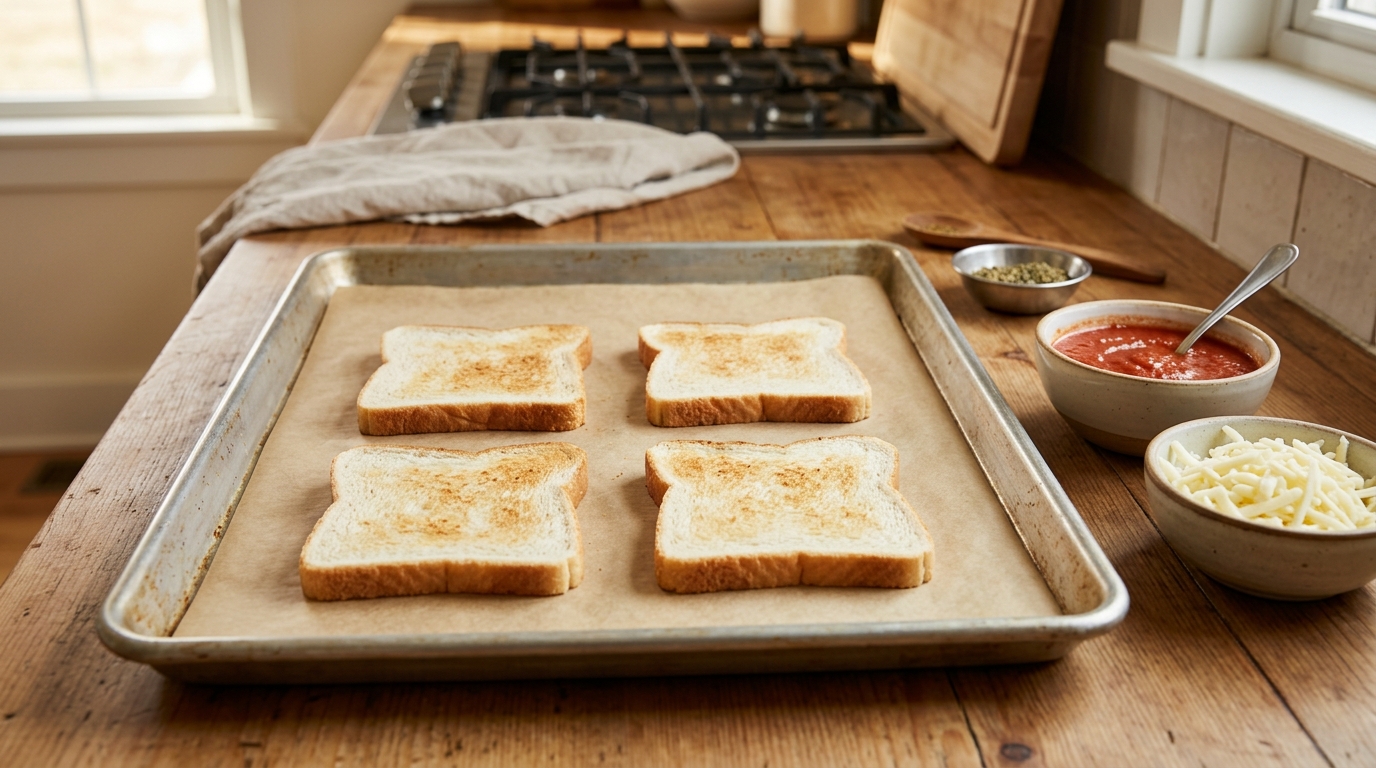
- Yield: 4 small pizzas, one slice each; 2 slices make a more substantial serving.
- Prep: about 10 minutes.
- Cook: roughly 8–13 minutes, including the pre-toast; watch the bread and cheese rather than treating this as an exact timer.
- Equipment: rimmed sheet pan, oven, and parchment if desired.
- Allergens: commonly wheat/gluten and milk; check every package. Some low-carb breads also contain soy, sesame, egg, or nuts.
No per-serving carb number is supplied because the bread, sauce, cheese, and topping labels determine it. The FDA’s Nutrition Facts label guide explains that nutrient amounts refer to the stated serving size. For a consistent calculation, use the exact amounts and serving sizes on your packages. Our net-carb label guide explains the comparison.
Ingredients for four personal pizzas
- 4 slices of low-carb sandwich bread, about one standard slice per pizza
- 4 tablespoons thick, unsweetened tomato sauce or pizza sauce, about 1 tablespoon per slice
- 1 cup shredded part-skim or whole-milk mozzarella, divided equally
- 1 teaspoon olive oil, optional, to lightly brush the bread edges
- 1/2 teaspoon dried oregano or Italian seasoning
- About 1/2 cup finely chopped, cooked or ready-to-eat toppings, such as sliced mushrooms, bell pepper, olives, or fully cooked chicken
- Optional: a few basil leaves after baking
Choose sauce by its label and taste. “No sugar added” does not mean carbohydrate-free; tomato sauce contributes carbohydrate. Check whether your cheese and bread contain allergens relevant to your household. Avoid raw meat on these short-cooking pizzas: cook it safely before it becomes a topping.
How to make low-carb bread pizza
- Heat the oven. Set a rack in the middle and preheat to 400°F (205°C). Line a rimmed baking sheet with parchment if desired.
- Dry the base. Arrange four slices in one layer. Bake for about 3–5 minutes, flipping once, until the surfaces feel drier and the edges begin to firm. A thin loaf may need less; a dense or moist loaf may need more. Do not brown it hard yet.
- Add toppings lightly. If using oil, brush only a little on the exposed edges. Spread roughly 1 tablespoon sauce on each slice, leaving a narrow border. Add about 1/4 cup cheese per slice, then the small pieces of topping. Finish with oregano.
- Bake again. Return the pan to the oven for approximately 5–8 minutes, until the cheese is melted and the edges are crisp. Start checking early, especially with a sweetened or very thin bread that browns quickly.
- Rest briefly. Let the pizzas stand for 1–2 minutes on the pan, then transfer to plates. Add basil after baking if you like.
The precise times are guidance, not a promise. The bread should support the toppings when lifted and the cheese should be fully melted. If the underside remains soft, give it another brief bake on the pan; if the edges darken too fast, move the pan down a rack or lower the heat slightly next time.
Why pre-toast the bread?
Low-carb sandwich breads can contain more added fiber and moisture than a crisp pizza crust. Sauce begins to soak into any bread as soon as it is spread. A short first bake drives off some surface moisture and gives the slice a head start before the wet sauce goes on.
You do not need to make the bread crunchy all the way through. The target is a drier, firmer surface that still has room to brown during the second bake. Bread that is already very crisp may become brittle if you toast it twice for the full suggested time.
Choosing a bread that holds up
A medium-thick, evenly sliced loaf is easiest to handle. Very thin bread can burn at the edges before the cheese melts. A delicate, highly aerated slice may bend beneath too many toppings. A dense slice can be sturdy but may take longer to dry. There is no universal “best” brand for this recipe because formulas and slice sizes change.
Compare the serving size in grams, total carbohydrate, dietary fiber, protein, sodium, and ingredient list. If you count net carbs, do the arithmetic from the package you have rather than a retailer image. The LessCarby Net Carb Calculator can help with your chosen bread and toppings. Our freezing guide is useful if you keep a loaf on hand for small meals.
Wheat gluten is common in low-carb sandwich bread, but not every loaf uses it. A low-carb claim is not a gluten-free claim. If avoiding wheat, milk, soy, sesame, or nuts, read both the bread and topping labels each time.
Three topping combinations that stay manageable
Classic tomato and basil
Use the base recipe with mozzarella and a little oregano. Add fresh basil only after baking so it does not dry out. This version keeps the slice light and makes it easiest to judge the bread’s texture.
Mushroom and pepper
Slice mushrooms thinly and cut bell pepper small. If the vegetables are especially wet, sauté them briefly or pat them dry before topping. Keep the combined topping to about 2 tablespoons per slice rather than building a tall pile.
Chicken and olive
Scatter a small amount of fully cooked chicken and a few sliced olives over the cheese. Olives and seasoned chicken can add sodium, so compare labels if that matters to you. The chicken must already be cooked; the final bake is only meant to heat the topping and melt the cheese.
Skillet, toaster oven, or air fryer?
The oven gives four slices room to cook evenly. A toaster oven works for one or two pizzas if the bread fits in a single layer; begin checking early because the heating elements sit closer to the food. In an air fryer, secure light toppings beneath the cheese and use the appliance’s manufacturer guidance for temperature and basket loading. The short times above are for a conventional oven, not a validated air-fryer setting.
A covered skillet can melt cheese, but steam under the lid may soften the bread. If using one, toast the bread in a dry skillet first, add the toppings, then cover only briefly. Remove the lid for the last moments to let moisture escape. Never put a topped pizza into a slot toaster.
How to avoid a soggy center
- Pre-toast both sides lightly, especially with soft bread.
- Use thick sauce sparingly and leave a small border.
- Dry wet vegetables and use cooked proteins.
- Keep toppings low and spread them evenly.
- Eat soon after baking; bread pizza softens as it sits under sauce.
If you prefer a more substantial toasted sandwich rather than an open pizza, see our open-face melts. For crunchy bite-size bread toppings instead, our low-carb croutons use a different approach.
Serving, storage, and reheating
Serve immediately with a simple salad or vegetables. Two bread slices with toppings can be a meal for one person, while one slice works as a snack. The actual nutrition depends on the exact products and portion you use.
Leftovers are best kept in a covered container in the refrigerator, rather than left out for an extended period. Follow the storage directions and use-by guidance for the toppings you chose. For a crisper reheated base, warm on a baking sheet or in a toaster oven; a microwave will melt the cheese but tends to soften bread. Use extra caution with meat toppings and reheat them thoroughly.
Common questions
Can I use frozen low-carb bread?
Yes, but thaw and dry the surface before adding sauce. Frozen slices can release moisture as they heat, so the pre-toast is particularly helpful. Check that the slice is firm before topping it.
Is bread pizza automatically keto?
No. The word “keto” on a loaf or recipe does not establish your meal’s carbohydrate total. Add up the bread, sauce, cheese, and toppings using their current labels and your actual portions.
Can I make it without dairy?
You can use a dairy-free cheese alternative or leave off cheese, but melting and browning will differ. Read the substitute’s ingredients and allergen statement; some contain nuts or coconut.
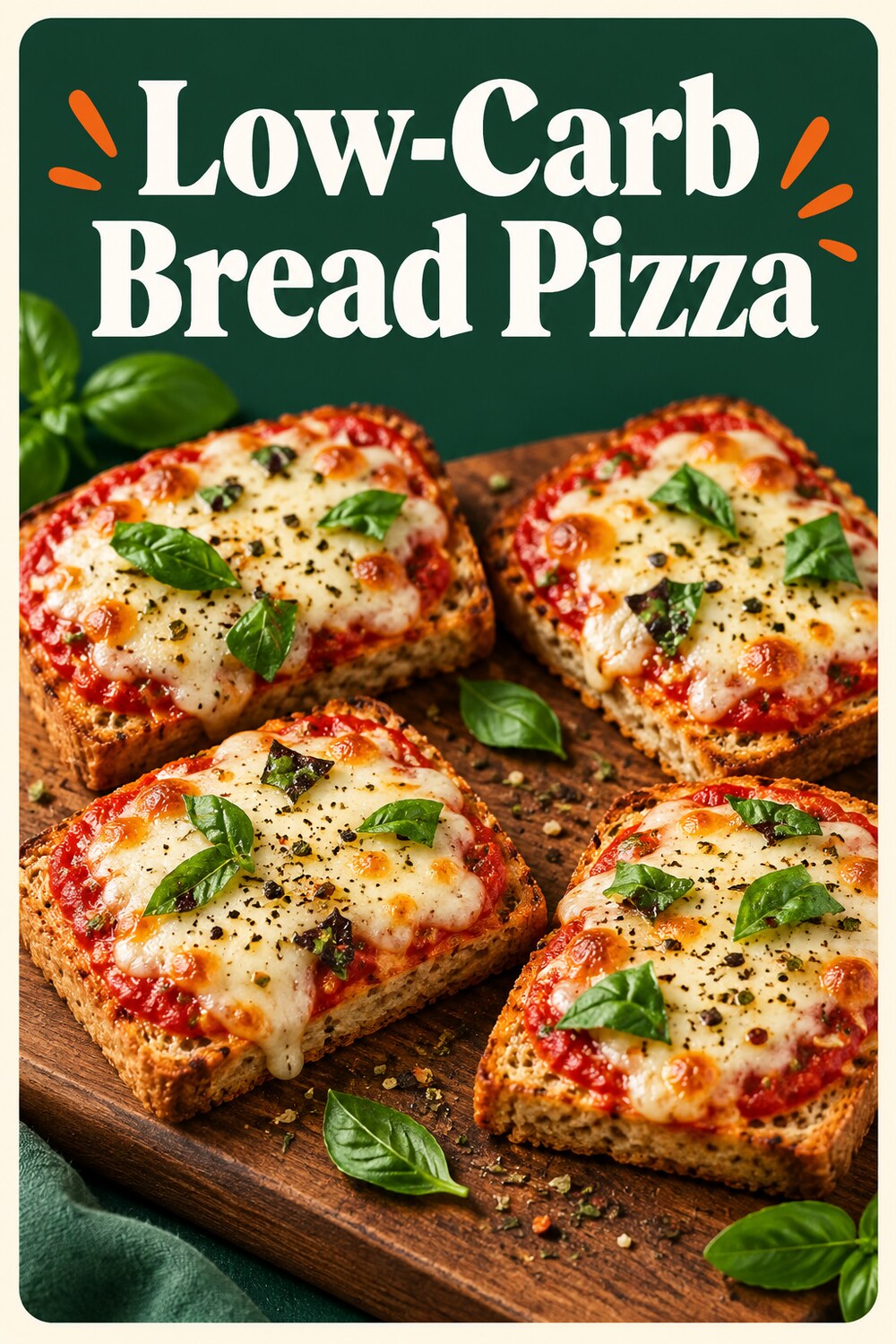
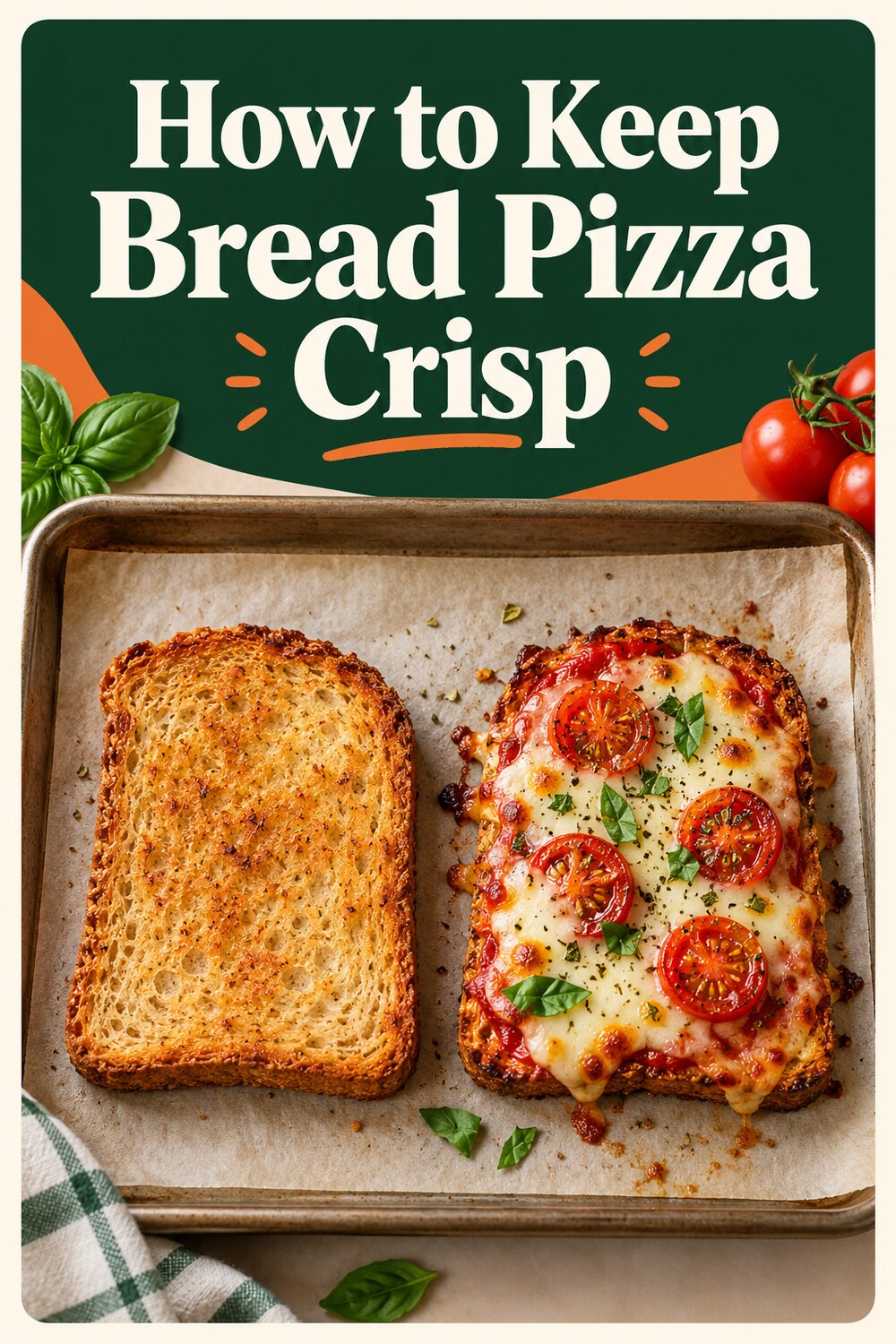
Save This Post on Pinterest
Keep the quick method handy with either of these visual reminders.
The useful takeaway
Start with a bread you already like and can verify from its current label. Toast it until just firm, use a thin layer of sauce, and keep toppings modest. Once you know how that loaf behaves in your oven, adjust the second bake by a minute or two to get the edge and center you prefer.
Plan Your Week with Our Free Meal Planner
Choose seven days of meals, adjust portions, and download your shopping list. No email signup needed.
Open the Free Planner →
