

For most low-carb kitchens, we would start with a useful everyday skillet, a covered saucepan and a pot large enough for your usual meal. Add a separate nonstick pan if eggs or delicate foods make it worthwhile. Buy a boxed cookware set only when most of its actual cooking vessels fill gaps in your kitchen.
The number on the box can hide a less useful mix of sizes. A ten-piece set may contain six pots and pans plus four lids. Before comparing offers, write down which pieces you already use and which ones you keep wishing you had. Low-carb cooking does not require a special matching collection.
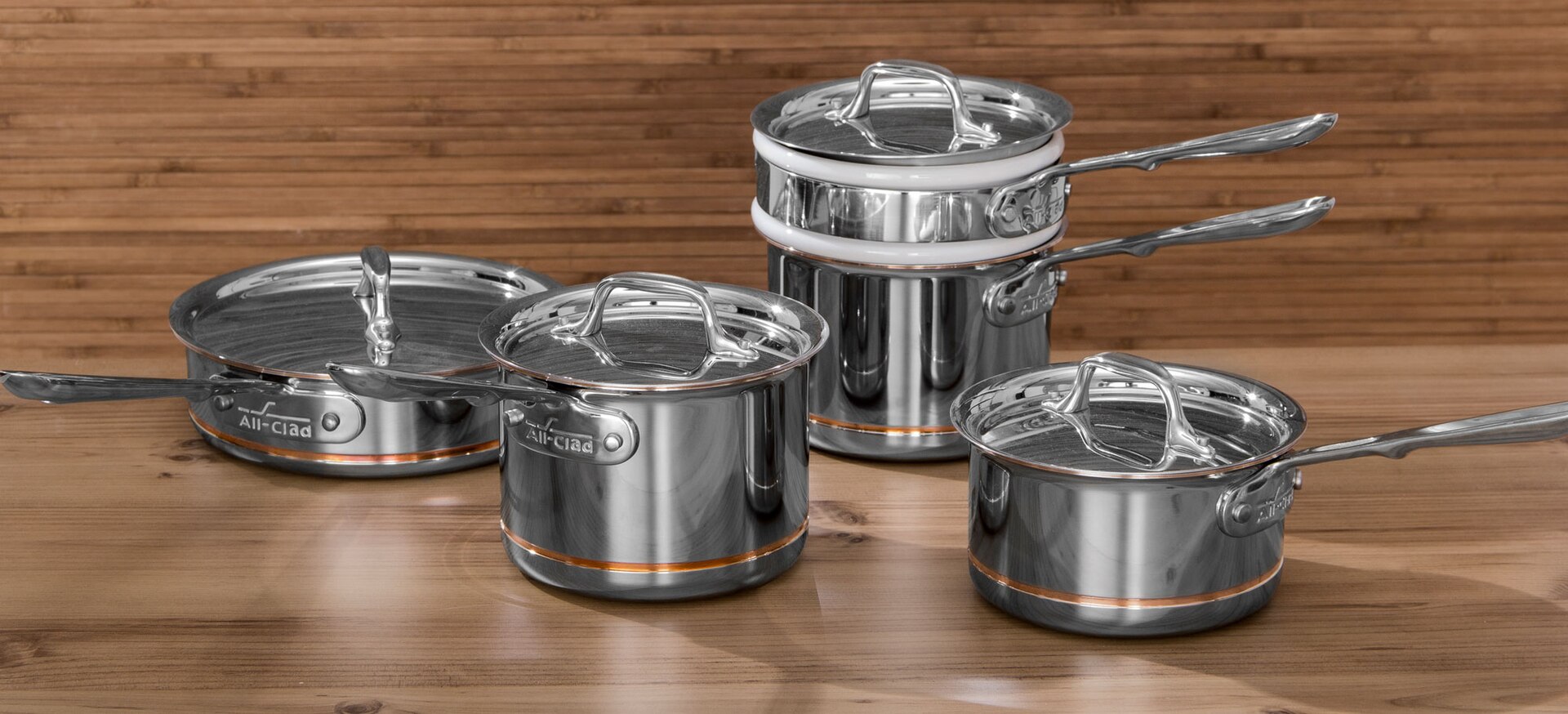
Which cookware pieces will you use most?
Think through two or three ordinary dinners and a breakfast. If your week includes eggs, sautéed vegetables, a quick sauce and a pot of soup, choose shapes that handle those jobs. You can make a better shopping list from that routine than from a photograph of a large coordinated set.
| Piece to consider | Useful jobs | What to check |
|---|---|---|
| Everyday skillet | Useful jobsEggs, vegetables, proteins and a toasted sandwich | What to checkUsable flat cooking area, comfortable handle and burner fit |
| Covered saucepan | Useful jobsA small sauce, reheating or a modest quantity of vegetables | What to checkNormal portion size, lid fit and comfortable pouring |
| Larger pot | Useful jobsSoup, batch cooking and cooking for several people | What to checkCapacity you actually use and whether you can lift it comfortably |
| Sauté pan with lid | Useful jobsA wider covered meal or a sauce with several portions | What to checkWhether it adds a job your existing skillet and pot cannot handle |
| Separate nonstick skillet | Useful jobsDelicate foods that you want to release easily | What to checkExact care instructions and whether you need a second size |
We would treat the sauté pan and a second skillet as optional additions. A wide, straight-sided sauté pan can be useful when you often cook a meal with liquid, but it may duplicate what you already make in another pan. Keep the extra piece when you can name a regular job for it.
Count vessels, lids and extras separately
Make three columns on your list: cooking vessels, lids and accessories. Count a skillet as one vessel. Count its lid separately. A steamer insert or utensil can be useful, but it does not provide another place to cook a second dish on the stove.
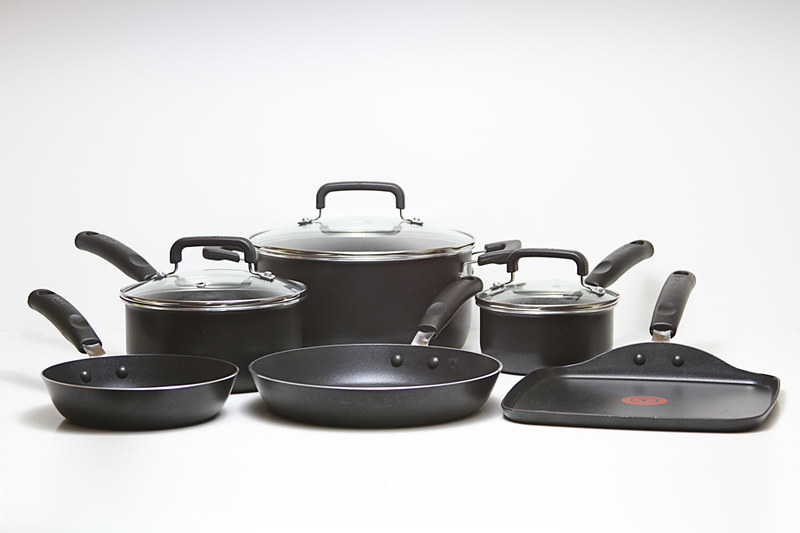
Then check the sizes. Two saucepans that are close in capacity may be exactly what you need if you cook two sauces at once. If you usually cook for one or two people and seldom use both, the extra saucepan can spend more time in the cupboard than on the stove.
We would also compare the set against buying only the missing pieces. Use the actual checkout totals, including any delivery charge, rather than a percentage discount. A set can be good value when you need most of it. Paying for redundant pieces is harder to justify, even when the price per advertised piece looks attractive.
Build a useful set on paper before buying
Try making your own small collection on a shopping list. Start with the skillet you use most, one covered saucepan and a larger pot. Write the size beside each piece, then note whether you already own something that does the same job. A boxed set is worth comparing only after this list is clear.
For example, someone cooking two portions might use the skillet every evening but need a large stockpot only a few times a month. Someone batch-cooking soup may reverse those priorities. Neither household needs to buy the same combination simply because a retailer calls it a starter set.
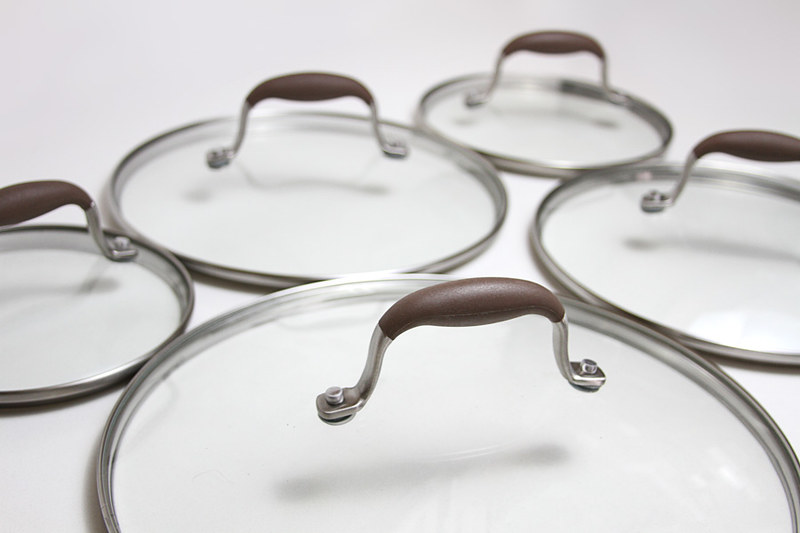
Check the included lids against the actual vessels. Do not assume that one lid fits two pieces just because their advertised diameters look similar. Ask the manufacturer when the inventory is unclear. Keep that question separate from whether the lid and vessel share an oven-temperature limit.
Finally, compare two complete shopping lists: the boxed set and just the missing pieces bought separately. Include the lids you need, delivery costs and storage space. We would pay for a genuinely useful extra saucepan, but not for one that mainly makes the collection look complete. If the difference is small, the simpler collection is often easier to live with.
Choose materials by the job you need done
We prefer an uncoated stainless core collection for readers who often brown food and make pan sauces, with a separate nonstick skillet when easier release is useful. This lets you replace a worn coated skillet without replacing a whole matching set. It also avoids choosing every pot around the needs of a single breakfast dish.
Nonstick cookware can be convenient for eggs and other delicate foods, but the specific coating, handle and instructions matter. An anodized aluminum body does not, by itself, tell you whether the cooking surface has a coating or whether it works on induction. Read the exact model description.
We would add cast iron or enameled cast iron when you have a repeated job for its weight and shape. If lifting a full pot is uncomfortable, consider that before buying. Owning one heavy specialty piece can make sense without turning your whole collection into a heavy set.
For care, follow the instructions supplied for each surface. All-Clad’s use-and-care guidance separates stainless and nonstick cookware. Avoid treating a general claim of dishwasher compatibility as permission to put every lid, coated pan and removable handle through the same cleaning cycle.
Check the stove, the oven and the lid
For induction, the U.S. Department of Energy describes the simple magnet check: a magnet should stick to the pan’s flat base. Confirm the manufacturer’s induction statement too, then check the minimum pan-size requirements in your cooktop manual. A pan’s rim diameter is not necessarily the diameter of its magnetic base.
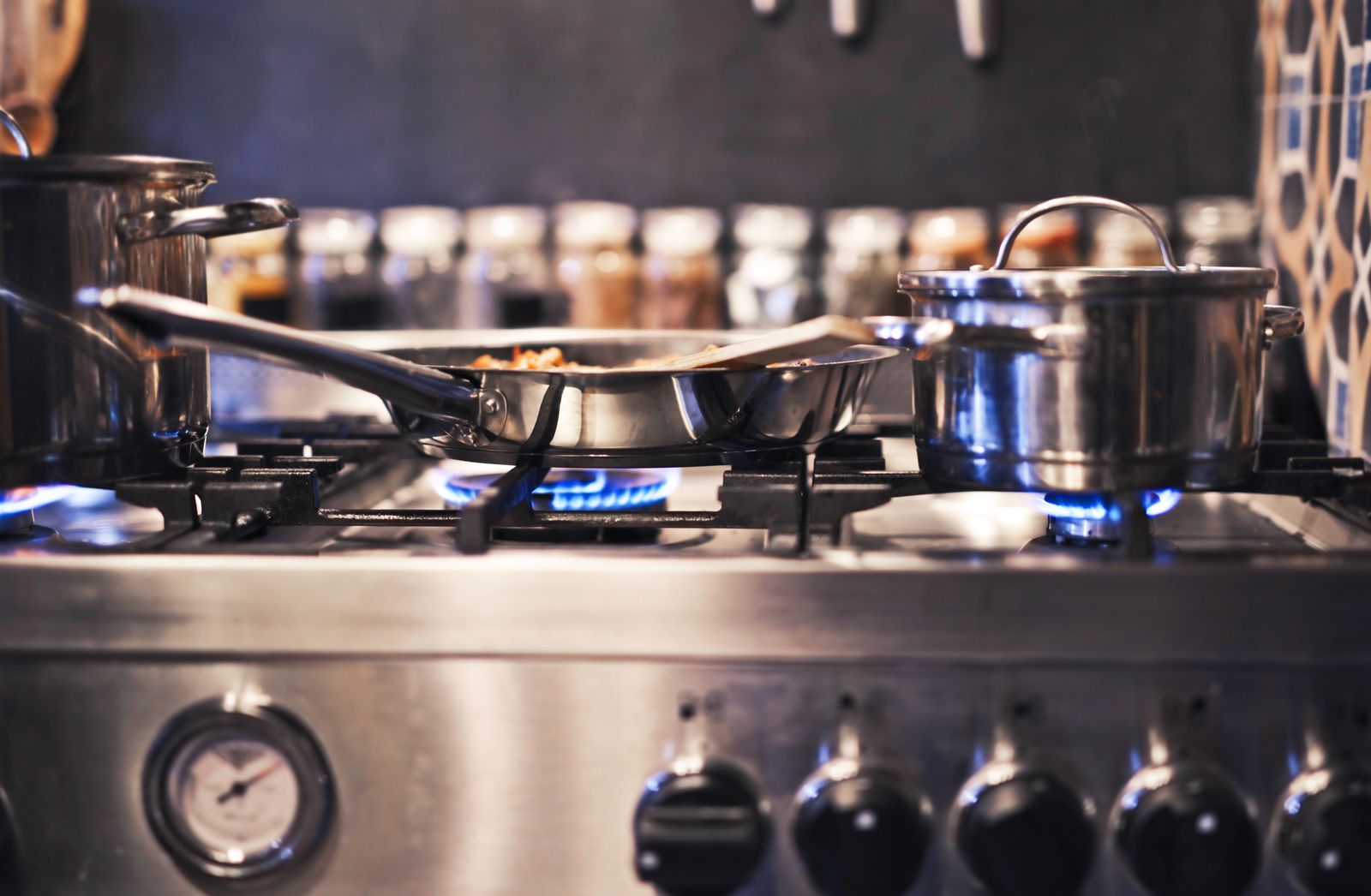
For any stove, check that the pan sits flat and that its handles do not crowd the other burners. If you normally use two pans together, picture that layout before ordering. A large skillet may fit the cupboard yet be awkward beside your usual saucepan.
If you move cookware into the oven, check the limit for the vessel and its lid separately. Use the exact manufacturer’s instructions rather than a temperature quoted for another collection. A glass lid, removable handle or coated pan may have a different limit. A cool-looking handle is not evidence that it will stay cool after oven use.
Plan the storage before adding more pieces
Lay out the cupboard or drawer you will actually use. Allow for long handles and lid knobs, not just the pot’s round body. Check whether lifting the largest pot out requires removing several other pieces first. Convenience matters most on the days when you are cooking in a hurry.
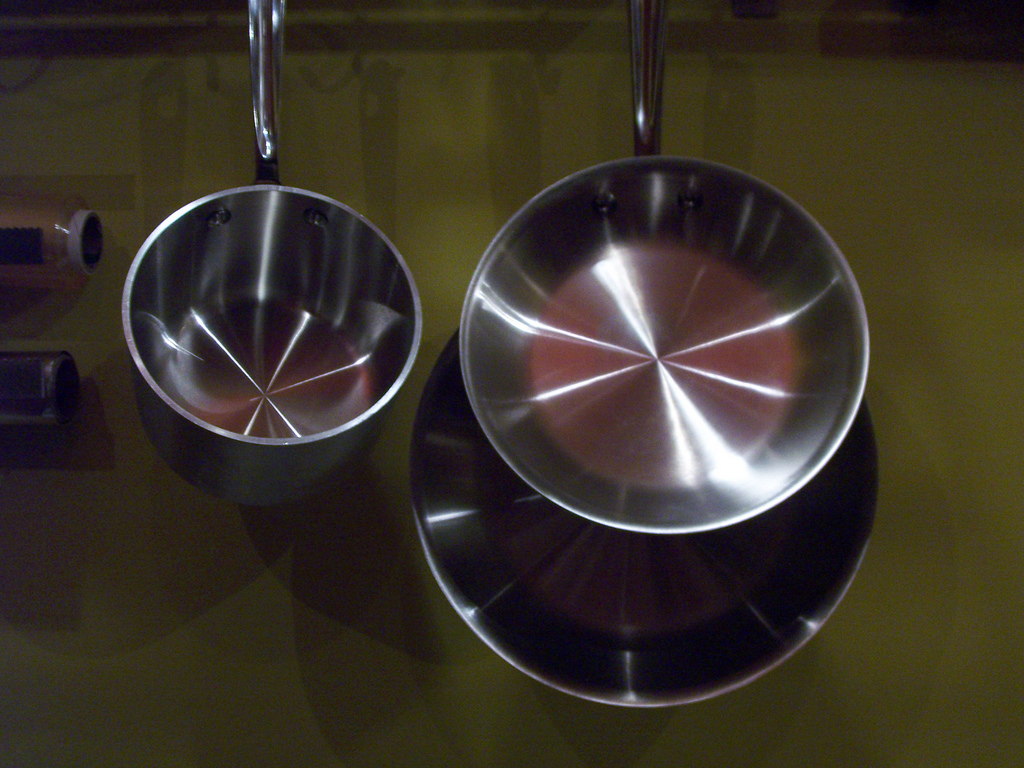
If you stack coated pans, follow their storage instructions and use suitable protection where recommended. If you hang cookware, use a rack and fixings rated for the load. Lids need their own plan, whether that is a divider, a rack or storage on the matching pot.
Our recommendation before you spend
Keep the pieces that already work. Fill your most frequent gap first, then live with the smaller collection before buying more. Choose a set when you need most of its vessels, like its sizes and can store and wash the whole group comfortably.
When a countertop appliance could handle the job instead, compare that space decision too. Our basket-versus-oven air-fryer guide can help with small batches. For baking, our loaf-pan guide covers a different kind of pan; a cookware set does not automatically fill that need.
Editorial method: equipment selection based on manufacturer care guidance and practical selection criteria reviewed October 31, 2026. Suggested pieces and purchase decisions are LessCarby’s editorial judgment. This is not a hands-on performance test or a ranked product review. Supporting photographs are credited individually. No affiliate links are included.
Plan Your Week with Our Free Meal Planner
Choose seven days of meals, adjust portions, and download your shopping list. No email signup needed.
Open the Free Planner →


