

The Keto Bread Dilemma: Too Good to Be True?
We get it. Giving up bread is easily the hardest part of adopting a low-carb lifestyle. For a long time, the only options were dense, egg-heavy concoctions you had to bake yourself, which usually tasted more like an omelet than a sandwich loaf. Now, grocery store shelves are packed with loaves that look, feel, and toast just like the real thing. But a natural question arises when you flip the package around and see a paragraph of unfamiliar ingredients: is this stuff actually healthy?
We decided to take an honest look. Over the past few months, we tested several of the top brands on the market. We made sandwiches, toasted slices for breakfast, and dug deep into the nutrition labels. What we found is that “healthy” is a highly subjective term. For some, it means strictly managing blood sugar. For others, it means eating whole, unprocessed foods. Keto bread sits at a fascinating intersection of these two philosophies. Let’s break down what goes into these loaves, the genuine benefits, and the very real downsides you need to consider.
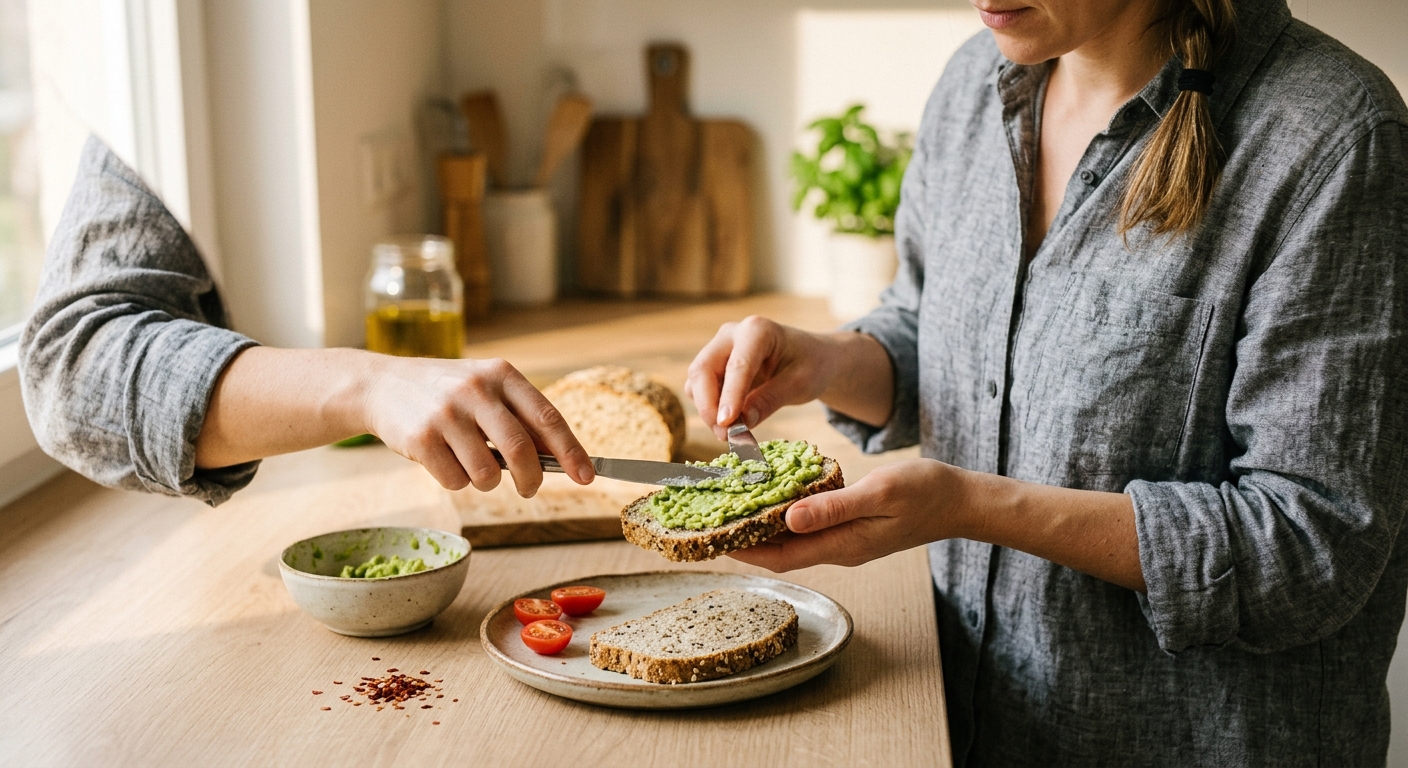
What Actually Is Keto Bread?
Regular bread relies on wheat flour, which is packed with easily digestible carbohydrates. To replicate that fluffy texture without the carbs, food scientists have to get incredibly creative. The ingredients used generally fall into two distinct camps.
When we look at brands like Hero Bread and Aldi L’Oven Fresh, we see a heavy reliance on modified wheat starch and vital wheat gluten. Vital wheat gluten is simply the protein part of wheat with the starchy carbs washed away. Modified wheat starch has been chemically or enzymatically altered so that your body cannot digest it, effectively turning it into dietary fiber. This combination gives the bread its incredible stretch and chew.
On the other end of the spectrum, you have brands like Base Culture, which eschew wheat entirely in favor of almond flour, flaxseed, and psyllium husk. Then there are hybrids like Carbonaut and Sola that use a mix of resistant starches, oat fiber, and various plant proteins. Every brand uses a slightly different formula to achieve that elusive bread-like texture. For a deeper dive into each of these ingredients, see our full ingredients guide.
The Benefits: Why We Keep Buying It
There are legitimate, science-backed reasons to include keto bread in your diet. We found that having a viable bread substitute makes sticking to a low-carb lifestyle significantly more sustainable.
First and foremost is blood sugar management. We tested our glucose levels after eating a traditional slice of white bread versus a slice of Hero Bread, and the difference was night and day. Because the carbohydrates in these breads are mostly indigestible fibers, they do not cause the sharp spikes and subsequent crashes associated with refined flour.
Furthermore, these loaves are often nutritional powerhouses in ways standard bread is not. Many popular options pack a massive amount of dietary fiber—sometimes up to 10 grams per slice. Most adults do not consume nearly enough fiber, so swapping your standard sandwich bread for something like Carbonaut or Sola can effortlessly boost your daily intake. They are also generally much higher in protein, which helps keep you full and satisfied long after your meal is over.
Net carbs are calculated by subtracting dietary fiber and sugar alcohols from the total carbohydrates. Because your body cannot easily digest fiber, it doesn’t impact your blood sugar the same way standard carbs do. This is the magic math that makes keto bread work.
The Downsides: Where It Gets Complicated
We promised an honest look, which means we have to talk about the negatives. If your definition of a healthy diet strictly involves eating whole, unprocessed foods close to their natural state, most commercial keto breads will fail your test.
The “franken-food” argument is valid. Brands like Aldi L’Oven Fresh and Hero Bread achieve their miraculous zero-net-carb claims through highly engineered ingredients. Modified starches and isolated fibers are lab-created solutions. While they are deemed safe by the FDA, they are far from natural.
Then there is the issue of digestive distress. Going from a low-fiber diet to suddenly eating sandwiches made with Carbonaut or Sola can shock your system. Consuming 20 grams of modified fiber in a single meal can lead to severe bloating, gas, and stomach cramps for sensitive individuals.
Finally, “low carb” does not automatically mean “low calorie.” While some brands are surprisingly light, nut-based options like Base Culture are quite calorie-dense. If your primary goal is weight loss, you still need to monitor your overall caloric intake.
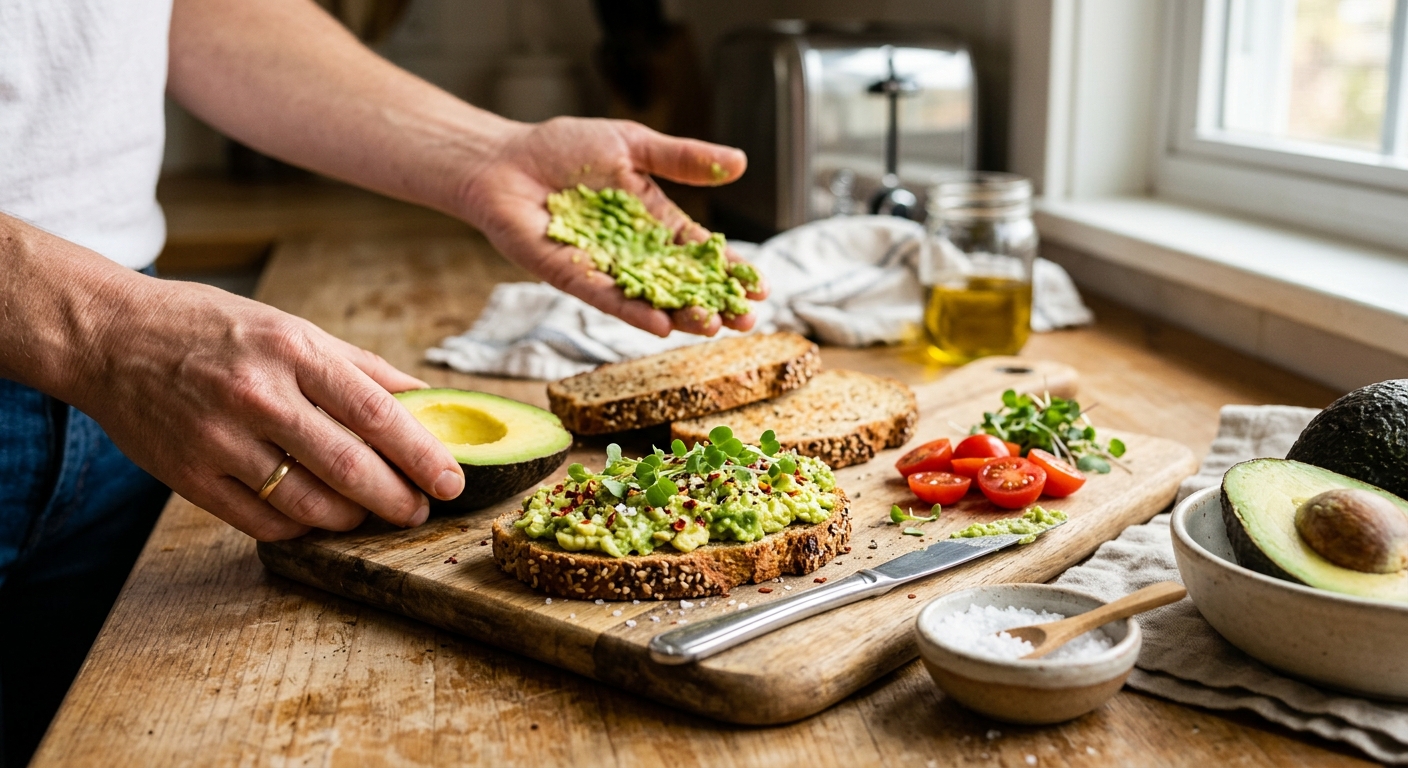
Brand Breakdown: Not All Bread is Created Equal
Because the market is so saturated, we found it helpful to categorize the most popular options. Here is how the major players stack up based on our testing.
Hero Bread
Best for: The traditional white bread experience. Hero Bread is staggeringly close to the real thing in both texture and taste. It toasts beautifully and makes a perfect grilled cheese. The tradeoff? It relies heavily on modified wheat starch and contains gluten.
Base Culture
Best for: Clean ingredients. Base Culture is the winner if you want whole foods. Made with almond flour, eggs, and seeds, it contains no gluten or modified starches. The catch is that it is dense, must be kept frozen, and has a slightly nutty flavor that isn’t ideal for every sandwich.
Carbonaut
Best for: Seeded texture and high protein. We loved the structural integrity of Carbonaut. It holds up well to heavy fillings and doesn’t get soggy. It uses a mix of resistant tapioca starch and wheat protein, striking a middle ground between texture and ingredient profile.
Aldi L’Oven Fresh
Best for: Budget-conscious shoppers. Aldi L’Oven Fresh is incredibly affordable and remarkably soft. However, it is highly processed and uses a lot of oat fiber and wheat gluten. If you eat it regularly, keep an eye on your digestion.
Sola
Best for: A hint of sweetness. Sola offers varieties like Sweet Oat and Hawaiian. It uses a blend of sweeteners (like erythritol) to achieve its flavor. It’s delicious, but those sensitive to sugar alcohols might experience mild bloating.
How to Read a Keto Bread Label Like a Pro
If you want to incorporate these breads into a healthy diet, you need to look past the large marketing text on the front of the bag. Here is exactly what we look for when evaluating a new brand:
- Identify the Fiber Source: Does the fiber come from whole sources like flax and psyllium husk (like Base Culture), or from modified starches (like Hero Bread)? Neither is inherently wrong, but you should know what you are consuming.
- Check for Gluten: If you have celiac disease or gluten sensitivity, you must be vigilant. Many “low carb” breads rely on vital wheat gluten. You will need to seek out certified gluten-free options.
- Watch the Sugar Alcohols: Brands like Sola use sweeteners to mimic the slight sweetness of commercial bread. If you experience stomach upset, check the label for erythritol or xylitol.
- Look at the Calorie Count: A zero-carb slice isn’t a free pass if it contains 120 calories and you plan to eat three sandwiches a day. Balance is key.
Frequently Asked Questions
Does keto bread taste like regular bread?
It depends on the brand. Hero Bread and Aldi L’Oven Fresh taste strikingly similar to standard commercial bread. Nut-based options like Base Culture have a distinctly different, heavier flavor profile and a denser texture.
Can I eat it every single day?
You can, provided your digestive system tolerates the high fiber content. We recommend starting with one slice a day to see how your body reacts before making a massive double-decker club sandwich.
Why is it so much more expensive?
The ingredients required to replace cheap wheat flour—like almond flour, modified starches, and isolated proteins—are significantly more expensive to produce and source.
How should I store it?
Because they lack traditional preservatives, most of these breads mold quickly on the counter. We highly recommend storing brands like Carbonaut, Sola, and Base Culture in the freezer and toasting slices directly from frozen.
The Final Verdict: Is It Healthy?
Yes, but with caveats. If your main goal is to keep your blood sugar stable, hit your macro targets, and avoid the sluggishness that comes from eating refined carbs, keto bread is a phenomenal tool. It allows you to enjoy sandwiches and toast without derailing your progress. However, if your definition of “healthy” means eating only whole, minimally processed foods, you will want to skip the highly engineered loaves and stick to clean-ingredient brands like Base Culture—or skip the bread aisle altogether. Choose the option that best aligns with your personal health goals and your digestive comfort.
Plan Your Week with Our Free Meal Planner
Choose seven days of meals, adjust portions, and download your shopping list. No email signup needed.
Open the Free Planner →
