

The Hardest Part of Changing Your Diet
We have all been there. You decide to clean up your eating habits, cut back on sugars, and reduce your carbohydrate intake. Giving up pasta is tough, and saying goodbye to sugary snacks is a challenge. But for most of us, the hardest thing to walk away from is bread. The smell of toast in the morning, the convenience of a sandwich for lunch, or a warm roll with dinner—bread is deeply ingrained in our daily routines.
For a long time, choosing a low-carb lifestyle meant eating your burgers wrapped in a messy lettuce leaf and pretending you enjoyed it. We tested those early alternatives, and we know exactly how disappointing they were. Thankfully, the grocery store aisles look completely different now.
Food science has evolved rapidly, and bakeries have figured out how to recreate the texture, taste, and utility of traditional loaves without the massive carbohydrate footprint. If you are entirely new to this space, walking down the bread aisle can feel overwhelming. This beginner’s guide will explain exactly what this bread is, how it works, and how to choose the right loaf for your pantry.
What Exactly Is Low-Carb Bread?
At its core, low-carb bread is simply bread baked with alternative ingredients to drastically reduce the amount of digestible sugar and starch. A standard slice of white bread contains about 15 grams of carbohydrates, almost zero fiber, and spikes your blood sugar quickly. A low-carb alternative aims to bring that digestible carbohydrate number down to somewhere between zero and five grams per slice.
To understand how this works, you have to grasp the concept of “net carbs.” If you look at the nutrition label on a loaf of Aldi L’Oven Fresh or Hero Bread, you might be shocked to see 14 grams of Total Carbohydrates. If you are aiming for under 30 grams of carbs a day, one sandwich looks like it will ruin your entire plan.
However, you do not count all of those carbohydrates. The human body cannot digest dietary fiber. It passes through our system without breaking down into glucose, meaning it does not raise blood sugar. Because of this, we calculate net carbs by subtracting the fiber (and certain sugar alcohols) from the total carbohydrates.
Regular Bread vs. Low-Carb Bread: The Ingredient Shift
Traditional baking relies heavily on wheat flour. Wheat flour is rich in starch (which provides the bulk and soft crumb) and gluten (the protein that makes dough stretchy and chewy). Starch is basically a long chain of sugars, which is why regular bread is so high in carbohydrates.
To create a low-carb version, bakers have to remove the starchy wheat flour. But if you take out the flour, what is left? You have to replace both the bulk and the structural binding.
Many commercial brands use modified wheat ingredients. They strip the starch out of the wheat entirely, leaving behind only the wheat protein (vital wheat gluten). They then replace the starchy bulk with pure insoluble fibers, like oat fiber or modified wheat starch. This allows the bread to rise, stretch, and taste almost exactly like regular bread, but with almost purely fiber instead of digestible starch. For a closer look at exactly what these ingredients are and why they’re used, see our full ingredients breakdown.
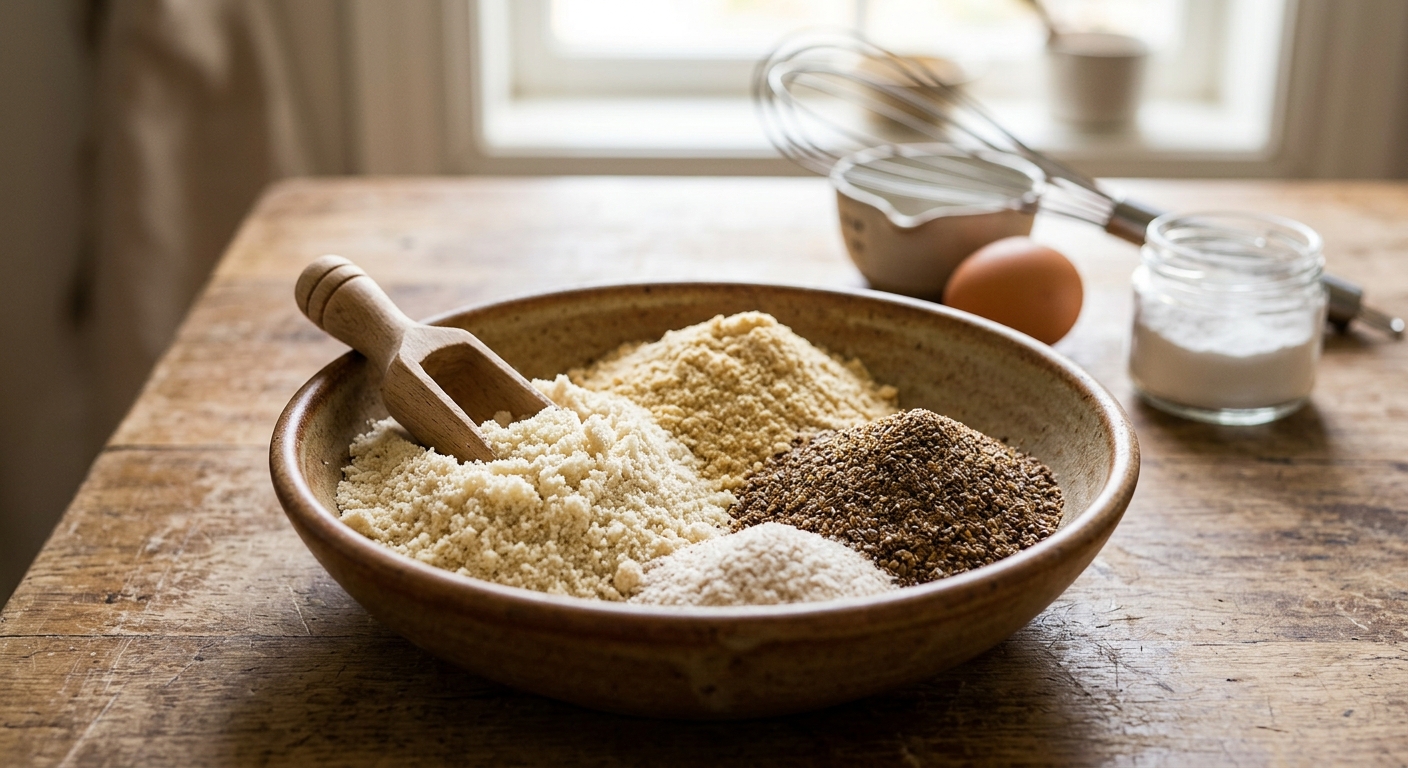
Other brands cater to the paleo and gluten-free crowd, abandoning wheat entirely. These loaves use nut flours—like almond flour or coconut flour—bound together with eggs, flaxseed, or psyllium husk powder.
Why Do People Make the Switch?
People ditch traditional wheat loaves for several different reasons. We have found that readers of our guides generally fall into a few distinct camps:
Keto Dieters
Strict keto requires staying under 20-30g of net carbs per day. A single regular sandwich uses up that entire daily allowance. Low-carb alternatives allow for toast and sandwiches without breaking ketosis.
Blood Sugar Control
Individuals managing diabetes or insulin resistance need to avoid glucose spikes. Breads made with fiber and fat digest much slower, preventing the roller coaster of energy crashes.
Weight Management
Because these slices are packed with dietary fiber and protein, they are highly satiating. Two slices of a high-fiber alternative keep you full much longer than fluffy, empty-calorie white bread.
The Two Main Types You Can Buy
When you start shopping, you will quickly notice that low-carb bread falls into two distinct categories. Knowing the difference between the two is crucial for managing your expectations and your digestive system.
1. Modified Wheat Breads (The Lookalikes)
These are designed to look, feel, and taste exactly like the Wonder Bread you grew up with. They achieve this soft, squishy texture by relying heavily on modified wheat starch and vital wheat gluten.
If you want a flawless grilled cheese or a soft PB&J, this is the category you want. Hero Bread is arguably the most famous in this space, offering a white loaf that is incredibly fluffy and nearly indistinguishable from regular bread. Sola is another fantastic, slightly sweet option that toasts beautifully. If you are looking for budget-friendly convenience, Aldi L’Oven Fresh has revolutionized the market with a zero-net-carb loaf that sits right on standard grocery shelves.
The downside? Because these rely on wheat protein, they are absolutely not gluten-free. If you have Celiac disease or gluten sensitivities, you must avoid this category entirely.
2. Grain-Free and Gluten-Free Breads (The Dense Loaves)
If you are eating strict paleo, are sensitive to gluten, or want a completely whole-food approach, you will look toward grain-free options. These are typically baked with almond flour, coconut flour, eggs, and seeds.
Base Culture is a prominent brand in this space. You will usually find it in the freezer aisle because it lacks chemical preservatives. It is dense, nutty, and slightly moist. Carbonaut also offers a highly-rated gluten-free line that manages to stay impressively soft compared to older almond-flour recipes.
These breads do not taste like traditional white bread. They are heavier, have a distinctive nutty flavor, and the slices are usually smaller. However, the ingredient list is impeccably clean.
The Honest Truth: Expectations vs. Reality
We believe in being upfront with our readers. While the modern lineup of products like Hero Bread, Sola, Carbonaut, Base Culture, and Aldi L’Oven Fresh is lightyears ahead of what was available five years ago, there are tradeoffs you need to be aware of.
First, texture. Modified wheat options tend to have a slightly chewier, more resilient bite. They can feel a bit spongy if eaten completely raw straight out of the bag. Grain-free options can feel crumbly or wet.
The universal fix? Always toast your bread. We tested dozens of loaves, and we found that a minute in the toaster completely transforms the experience. Heat crisps up the edges, masks the spongy texture of the fiber, and brings out a wonderful roasted flavor.
Second, the fiber warning. A single slice of Aldi L’Oven Fresh or Hero Bread can pack up to 15 grams of fiber. If you eat two sandwiches in one sitting, you are consuming 60 grams of isolated fiber. If your digestive system is not accustomed to that, you will likely experience bloating and discomfort. Start slow. Introduce one slice a day to let your gut adjust.
Frequently Asked Questions
Will low-carb bread kick me out of ketosis?
For the vast majority of people, no. The dietary fiber and modified starches do not convert into glucose, meaning insulin levels remain stable. However, a small subset of individuals find that massive amounts of modified wheat starch can cause a slight stall in their progress. If you are concerned, test your ketones after trying a new brand.
Why is it so expensive?
Regular wheat flour costs pennies per pound. Almond flour, lupin flour, modified wheat starch, and vital wheat gluten are premium, expensive ingredients. Additionally, the manufacturing process to isolate these proteins and fibers is complex. You are paying for the specialized ingredients.
Should I keep it in the fridge or freezer?
Yes. Many of these loaves—especially clean-ingredient brands like Base Culture and Carbonaut—lack the intense chemical preservatives found in conventional bread. To prevent mold, keep your loaf in the freezer and just pull out slices to drop directly into the toaster as needed.
Can I make it at home?
Absolutely. There are thousands of recipes online for “cloud bread” (made with eggs and cream cheese) or dense almond flour loaves. Homemade bread gives you total control over the ingredients, though it rarely achieves the fluffy, airy texture of store-bought modified-wheat brands like Sola or Hero Bread.
Ready to Make the Swap?
You do not have to give up sandwiches to reach your health goals. If you want a zero-risk entry point, we highly recommend checking your local grocery store for Aldi L’Oven Fresh to try an affordable, zero-net-carb option.
Plan Your Week with Our Free Meal Planner
Choose seven days of meals, adjust portions, and download your shopping list. No email signup needed.
Open the Free Planner →
