
Best Bread for Diabetics: A Buyer’s Guide

⚠️ Disclaimer: The information provided in this guide is for educational purposes only and does not constitute medical advice. Every person’s metabolic response is unique. Always consult with your healthcare provider or a registered dietitian before making significant changes to your diabetes management plan.

We have all been there—standing in the middle of the grocery store aisle, squinting at the nutrition labels on a dozen different loaves of bread, trying to figure out which one won’t send our blood sugar on a rollercoaster ride. For decades, a diabetes diagnosis practically meant saying goodbye to sandwiches, toast, and buns. The standard advice was simply to avoid bread entirely.

Thankfully, the food industry has evolved. We now have access to dozens of low-carb, keto-friendly, and high-fiber breads designed specifically to keep glucose levels stable. But let’s be honest: not all of these options are created equal. Some taste like cardboard, some fall apart the second you add a slice of turkey, and worst of all, some are quietly packed with hidden ingredients that cause exactly the blood sugar spikes we are trying to avoid.

We tested and analyzed the most popular options on the market to help you cut through the marketing noise. In this buyer’s guide, we will break down exactly what makes a bread truly safe for diabetics, which ingredients to watch out for, and which specific brands deliver on both nutrition and taste.

Why “Low Carb” Labels Don’t Tell the Whole Story

If you take a stroll down the bread aisle, you will see bold claims plastered across the packaging: “Only 1g Net Carb!” or “Keto Certified!” While these labels are a great starting point, they do not guarantee a blood sugar-friendly experience.

To understand why, we have to look at how net carbs are calculated. The formula is generally Total Carbohydrates minus Dietary Fiber minus Sugar Alcohols equals Net Carbs. The theory is that fiber and certain sugar alcohols pass through your digestive system without being broken down into glucose, meaning they shouldn’t impact your blood sugar.

However, the type of fiber and the type of sugar substitute used matter immensely. Many commercial low-carb breads use modified wheat starch to achieve that fluffy, traditional bread texture. While modified wheat starch is technically a resistant starch (and therefore counted as fiber), we found that many individuals still experience a moderate to severe glycemic response when consuming it. Your body might break down a portion of that “resistant” starch just like regular flour.


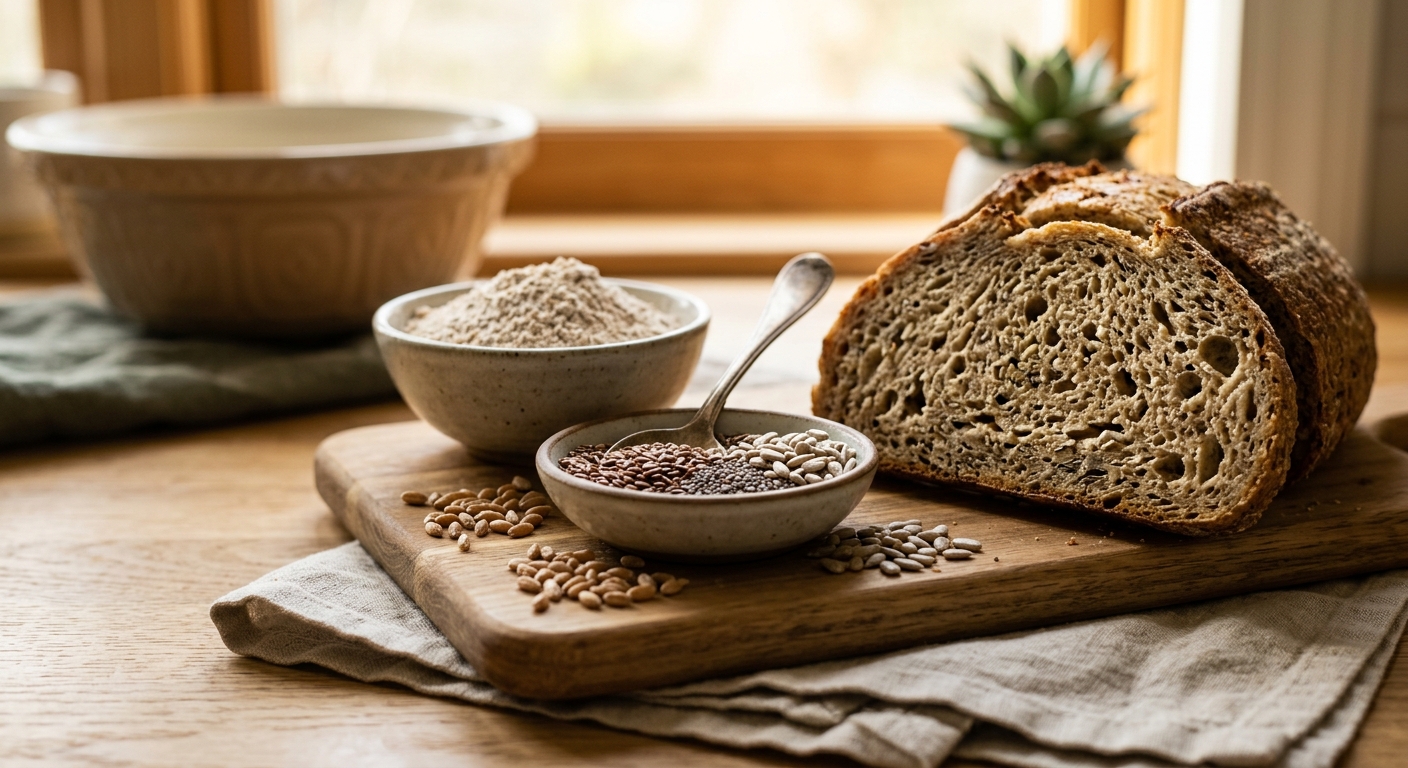
A close-up view of low-carb, diabetic-friendly bread showing its texture and crumb
Understanding nutrition labels and ingredient lists is the key to finding a bread that won’t spike your blood sugar.

Furthermore, total carbohydrate counts are still relevant. If a slice of bread has 25 grams of total carbohydrates and 24 grams of fiber, it is marketed as having 1 net carb. But if you eat two slices to make a sandwich, you are introducing 50 grams of total carbohydrate material into your digestive tract. For sensitive diabetics, this sheer volume of processed ingredients can still trigger an insulin response or cause serious digestive distress.

What We Look For in a Diabetic-Friendly Bread

Before we crown the winners, it is important to establish the criteria we use to evaluate bread. When we tested the top contenders, we evaluated them across four critical categories:

⚖️

True Low Net Carbs

We look for breads that maintain fewer than 4 grams of net carbs per slice, ensuring that a two-slice sandwich stays well within a safe meal threshold.

🛡️

Clean Fiber Sources

Oat fiber, psyllium husk, and flaxseed are ideal. They provide bulk and digestive benefits without tricking the body into a glucose spike like some highly processed starches.

Adequate Protein

Protein helps blunt the absorption of carbohydrates. Breads utilizing vital wheat gluten or almond flour offer an extra protein boost that keeps blood sugar steady.

🥪

Structural Integrity

A good bread needs to hold up to mustard, mayonnaise, meats, and veggies. If it crumbles into dust the moment you take a bite, it fails the sandwich test.

The Best Bread Brands for Diabetics (Our Top Picks)

Based on ingredients, continuous glucose monitor (CGM) feedback from the diabetic community, and downright taste, we have narrowed down the crowded market to a few standout performers.

Brand & Type Calories Net Carbs Fiber Protein
Hero Bread (Classic White) 45 0g 11g 5g
Aldi L’Oven Fresh (Keto) 35 0g 9g 5g
Carbonaut (Seeded) 80 2g 6g 6g
Sola (Sweet Oat) 40 1g 4g 4g
ThinSlim Foods (Zero Carb) 45 0g 7g 7g
Base Culture (Keto) 110 4g 4g 4g

1. Hero Bread

If you miss the pillowy softness of traditional white bread, Hero Bread is an absolute game-changer. We tested this loaf by making grilled cheese and BLTs, and it behaves exactly like a standard slice from the bakery. It boasts 0g net carbs per slice and uses a combination of resistant wheat starch and vital wheat gluten. The tradeoff? It is significantly more expensive than standard bread, and those with severe gluten sensitivities should steer clear.

2. Aldi L’Oven Fresh

For those shopping on a budget, Aldi L’Oven Fresh is the holy grail. At a fraction of the cost of premium online brands, this bread delivers 0g net carbs and toasts beautifully. It leans heavily on wheat protein isolate and modified wheat starch. We found that while it is an excellent vehicle for butter and eggs, some diabetics report minor blood sugar bumps due to the modified starch, so it is wise to test your reaction with a glucometer the first time you try it.

3. Carbonaut

Carbonaut approaches the low-carb problem differently by incorporating a robust mix of seeds and wheat protein. The seeded variety offers 2g of net carbs per slice. It has a slightly moist, hearty texture that pairs wonderfully with savory deli meats. Because it contains no artificial preservatives, we highly recommend storing it in the freezer and toasting slices as needed.

4. Sola

Widely available in major supermarkets, Sola bread provides a dense, satisfying bite. At just 1g net carb per slice, it manages to maintain a subtle sweetness without using harsh artificial sugars. Sola uses erythritol, which generally has zero impact on blood glucose. We found it makes exceptional French toast.

5. Base Culture & ThinSlim Foods

For purists looking to avoid gluten entirely, Base Culture is a phenomenal paleo option. It relies on almond flour and golden flaxseed meal. While it has higher calories (110 per slice) and 4g net carbs, the ingredients are incredibly clean and cause almost zero glycemic impact. On the other end of the spectrum, ThinSlim Foods provides a 0g net carb, 45-calorie slice. It is noticeably denser and chewier than traditional bread, which makes it an acquired taste, but it remains a staple for strict keto dieters. If none of these feel right for you, our roundup of low-carb bread alternatives covers options beyond store-bought loaves.

Addressing the Sugar Alcohol and Modified Starch Debate

As you explore diabetic-friendly breads, you will inevitably encounter sugar alcohols (like erythritol, xylitol, and maltitol) and modified starches. It is vital to understand that your body might process these differently than your neighbor’s.

Erythritol is generally considered the safest sugar alcohol for diabetics because it passes through the urine virtually untouched, causing no insulin response. Maltitol, on the other hand, is a notorious hidden culprit. Though it is a sugar alcohol, it has a high glycemic index and can spike your blood sugar almost as much as table sugar. Fortunately, none of our top picks use maltitol, but you should always check the labels of lesser-known brands.


A person checking their blood sugar levels with a continuous glucose monitor after a meal
Using a glucometer or CGM is the only definitive way to know how a specific brand of bread affects your personal glucose levels.
💡 Pro Tip: Modified wheat starch is the most debated ingredient in the low-carb bread world. While it allows for a soft texture, about 20% of diabetics report that it causes a delayed blood sugar spike 2-3 hours after eating. Always pair your bread with healthy fats to mitigate this risk.

Practical Tips for Incorporating Bread into Your Routine

Finding the right loaf is only half the battle. How you eat the bread plays a massive role in blood sugar management. We recommend the following strategies:

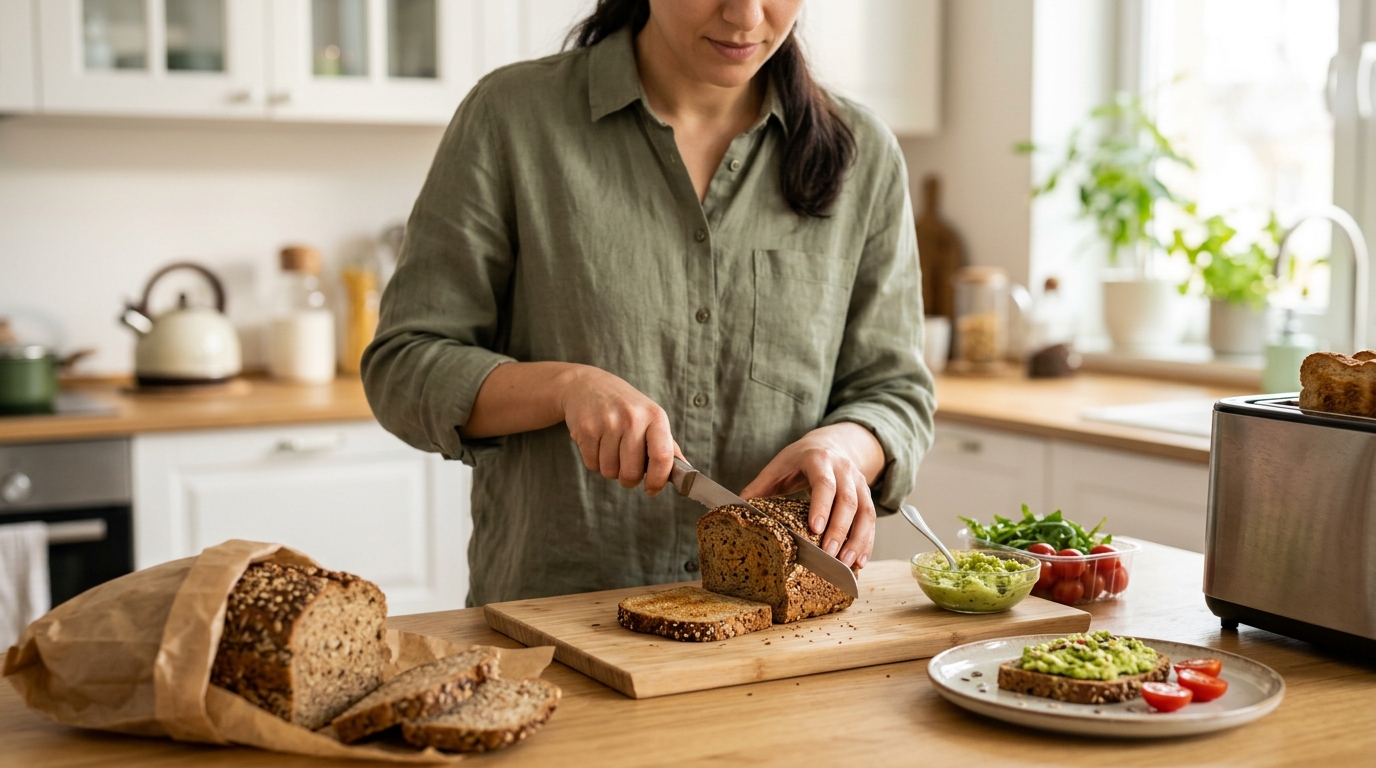
  • Always Pair with Fat and Protein: Never eat low-carb bread bare. Topping your toast with avocado, eggs, nut butter, or full-fat cheese slows down digestion and blunts any potential glucose rise.
  • Toast Your Bread: Many low-carb breads have a slightly spongy texture straight out of the bag due to the high fiber content. Toasting them significantly improves the mouthfeel and structural integrity.
  • Start with One Slice: If you are testing a new brand for the first time, make an open-faced sandwich. This limits your exposure to new ingredients while you gauge your body’s reaction.
  • Test, Don’t Guess: Check your blood sugar immediately before eating the bread, and then test again at the 1-hour and 2-hour marks. This data is invaluable and beats any marketing claim on the package.

Frequently Asked Questions

Can a diabetic eat sourdough bread?

Traditional sourdough bread has a lower glycemic index than standard white bread due to the fermentation process, which breaks down some of the starches. However, it is still a high-carbohydrate food. While some Type 2 diabetics can tolerate a small slice of genuine, slow-fermented sourdough paired with heavy protein, it will still spike most individuals more than the specialized low-carb breads we reviewed.

Why do some low-carb breads upset my stomach?

This is extremely common. Low-carb breads achieve their low net carb counts by packing in massive amounts of isolated fibers (like oat fiber or chicory root) and sugar alcohols. If your body is not accustomed to processing 20+ grams of fiber in a single sitting, it can cause bloating, gas, and cramping. Drink plenty of water and introduce these breads slowly.

Is Ezekiel bread good for diabetics?

Ezekiel bread is made from sprouted whole grains. It is highly nutritious and contains more protein and fiber than processed white bread. However, a slice still contains roughly 15 grams of net carbs. For diabetics managing their condition with a strict low-carb or ketogenic diet, Ezekiel bread is usually too high in carbohydrates. For those on a moderate-carb plan, it can be a healthy choice.

Ready to Find Your Perfect Loaf?

Living with diabetes doesn’t mean giving up the foods you love. Start by grabbing one of our top-rated loaves and experimenting with your favorite healthy toppings to see how your body responds.

Explore More Diabetic-Friendly Swaps

Scroll to Top