
Low-carb bread quesadilla wedges turn two sandwich slices into a crisp, cheesy skillet snack in about 12 minutes. The key is using a moderate layer of cheese, pressing the bread gently, and cooking over medium-low heat so the filling melts before the outside gets too dark. Serve the wedges plain, with salsa, or with a spoonful of guacamole.
This method is useful when you want quesadilla flavors without a tortilla. It also works with bread that feels too soft for ordinary toast: the skillet firms the surface while the melted cheese holds the two slices together.
What makes bread quesadilla wedges work?
A bread quesadilla is closer to a crisp grilled-cheese pocket than a folded flour tortilla. The bread has less flexibility, so the filling must stay thin and the sandwich should be turned as one piece. Shredded cheese melts into the bread’s surface and acts like a binder.
Low-carb breads vary widely. Some are thin and airy; others are dense, high in fiber, or made with extra wheat protein. Start with moderate heat. A loaf that browns quickly may need a lower setting, while a moist, dense slice may need another minute to become crisp.
Ingredients
Makes 2 servings, 4 wedges per serving.
- 4 slices low-carb sandwich bread
- 2/3 cup shredded cheese, divided
- 1 teaspoon butter or avocado oil, divided
- Up to 1/4 cup optional filling, finely chopped and divided
- Salsa, guacamole, or sour cream for serving, optional
Cheddar, Monterey Jack, pepper Jack, or a Mexican-style cheese blend all work. Cheese grated from a block usually melts smoothly, but pre-shredded cheese is convenient and still makes a good snack.
How to make low-carb bread quesadilla wedges
- Dry any moist fillings. Pat cooked vegetables, pickled jalapeños, or leftover meat with a paper towel. Chop everything small.
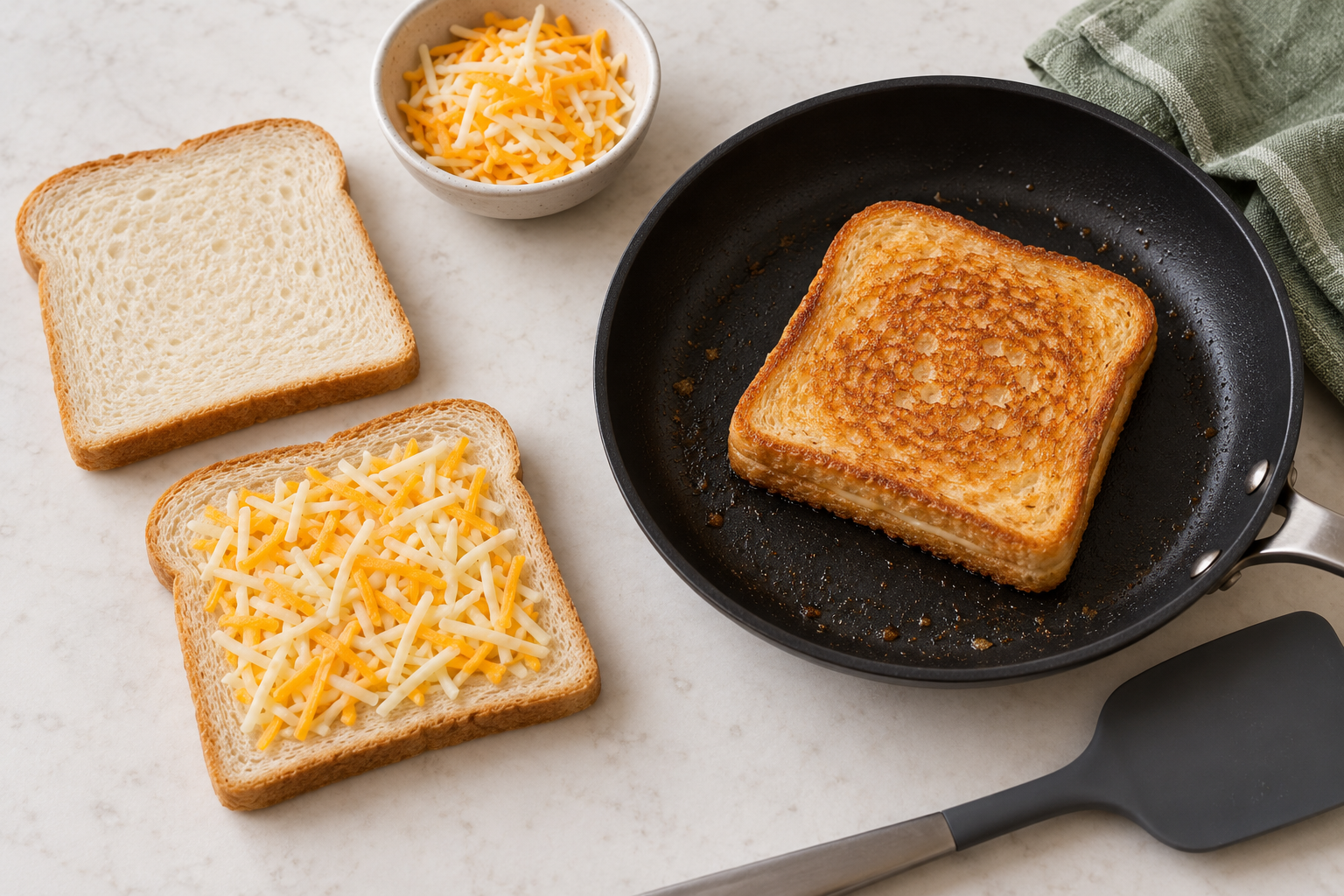
- Build two thin sandwiches. Place half the cheese on two bread slices, stopping about 1/2 inch from the edges. Add no more than 2 tablespoons of filling to each, then cover with the remaining cheese and bread.
- Heat the skillet. Warm a large nonstick or well-seasoned skillet over medium-low heat for about 2 minutes. Add half the butter or oil.
- Cook the first side. Add both sandwiches if they fit without crowding. Press gently with a spatula. Cover and cook for 3 to 4 minutes, until the bottom is golden and the cheese has begun to melt.
- Turn carefully. Lift each sandwich with a broad spatula, add the remaining fat, and flip. Cook uncovered for 2 to 4 minutes, pressing lightly, until the second side is crisp and the center is hot.
- Rest and cut. Move the sandwiches to a board for 1 minute. Cut each diagonally into four wedges. Serve immediately.
Three useful filling ideas
Jalapeño and cheddar
Use sharp cheddar with 1 tablespoon of well-drained chopped pickled jalapeños per sandwich. A pinch of smoked paprika adds flavor without extra moisture.
Chicken and pepper Jack
Pair pepper Jack with 2 tablespoons of finely chopped cooked chicken per sandwich. Use only chicken that is already fully cooked, and reheat the sandwich until the filling is steaming hot. This is a good way to use a small amount of leftover chicken without overstuffing the bread.
Spinach and Monterey Jack
Squeeze cooked spinach very dry and use 1 tablespoon per sandwich. Add a light sprinkle of garlic powder. Fresh spinach can release water, so wilt it first rather than adding a large raw handful.
How to keep the wedges crisp
- Keep the filling thin. Too much cheese or filling makes the center slide when you flip it.
- Control moisture. Drain salsa, vegetables, and pickles before they go inside. Serve wetter toppings on the side.
- Use medium-low heat. High heat can scorch high-fiber bread before the cheese melts.
- Cover only the first side. The lid traps enough heat to start melting the cheese. Cooking the second side uncovered lets steam escape.
- Rest before cutting. One minute gives the cheese time to settle, so the wedges hold together.
Choosing a low-carb bread
Look for slices that are intact and large enough to hold a thin filling. Very small or fragile slices can still work, but use less cheese and turn them gently. Check the serving size on the package before calculating the meal’s carbohydrates because some labels count one slice and others use two.
The bread’s total carbohydrate, dietary fiber, and serving weight matter more than a front-of-package “keto” claim. Our guide to reading a nutrition label for net carbs explains the basic calculation. If you want another crisp skillet option, try our low-carb grilled cheese method.
Serving ideas
For a snack, serve four wedges with a small bowl of salsa. For lunch, add a simple salad, sliced cucumber, or roasted vegetables. Guacamole adds richness, while plain Greek yogurt can stand in for sour cream.
Put dips on the side rather than spooning them over the wedges. The crisp contrast is the main advantage of this recipe, and a wet topping softens the bread quickly.
Storage and reheating
These wedges are best right after cooking. Refrigerate leftovers promptly in a shallow, covered container and use within 2 days. You can put warm leftovers straight into the refrigerator; do not wait for them to cool completely on the counter. Reheat in a dry skillet over low heat or in an air fryer at 325°F until the center reaches 165°F (74°C), checked with a food thermometer. A microwave warms the filling but softens the bread.
Do not leave cheese or meat-filled sandwiches at room temperature for more than 2 hours. If the room is above 90°F, use a 1-hour limit. See the USDA guidance on storing and reheating leftovers.
Nutrition and allergens
The final carbohydrate amount depends mainly on the exact bread, cheese, fillings, and serving size you use. Calculate from the labels in your kitchen rather than relying on a universal estimate. For one serving, count two bread slices plus half of the cheese and fillings.
This recipe commonly contains wheat and milk. Many low-carb breads also contain soy, sesame, eggs, or tree nuts. Check every package if you manage an allergy. Low-carb bread is not automatically gluten-free.
Frequently asked questions
Can I make this in an air fryer?
Yes. Secure the top slice with two wooden toothpicks, lightly brush the outside, and air-fry at 350°F for 4 to 6 minutes, turning once. Remove the toothpicks before cutting. Models vary, so watch the first batch closely.
Why did the bread burn before the cheese melted?
The skillet was probably too hot or the cheese layer was too thick. Lower the heat, cover the first side, and use finely shredded cheese in a thinner layer.
Can I use mozzarella?
Yes. Mozzarella gives a stretchy filling but a milder flavor. Mix it with cheddar or pepper Jack if you want more flavor.
Can I prepare the sandwiches ahead?
You can assemble them a few hours ahead and refrigerate them, but keep moist fillings separate until cooking. Cooked wedges lose crispness during storage.
Start with a small batch
Cook one sandwich first when trying a different loaf. Check the underside after 2 minutes, then adjust the heat for the second sandwich. This helps you find the right setting without scorching the whole batch.
Save This Post on Pinterest
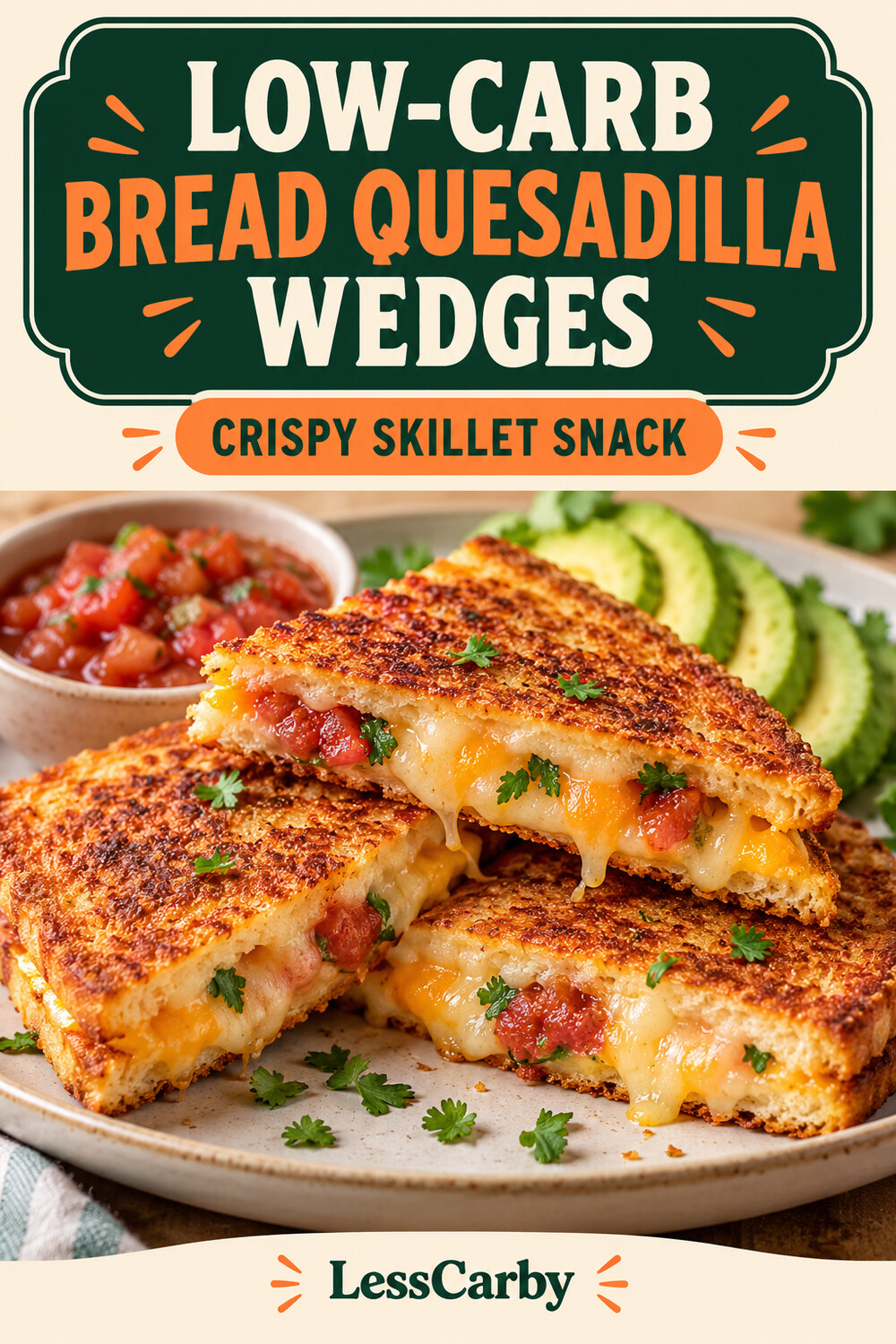
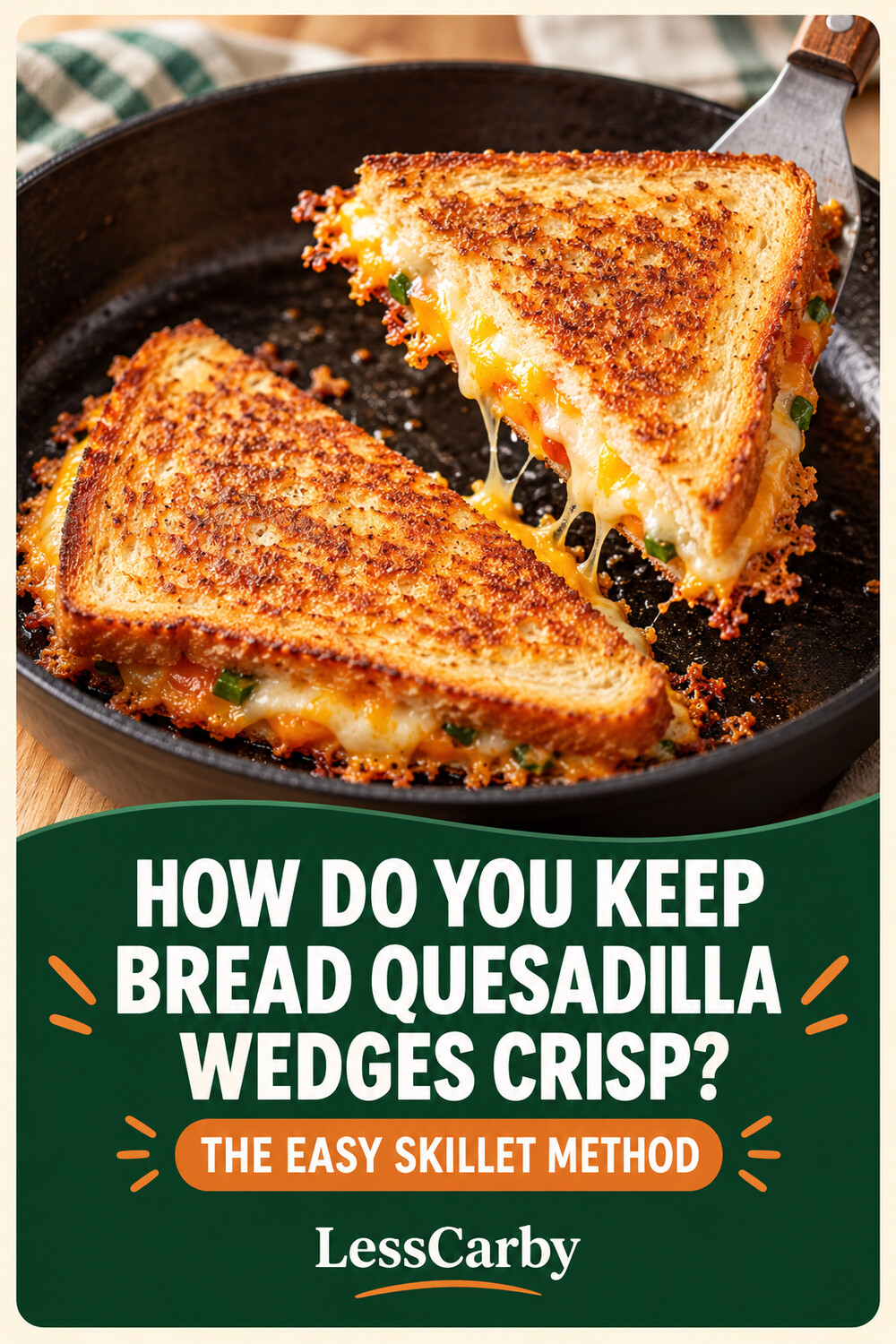
Save either graphic to keep this skillet method handy.
Plan Your Week with Our Free Meal Planner
Choose seven days of meals, adjust portions, and download your shopping list. No email signup needed.
Open the Free Planner →
