All Published Nutrition Guides
Every published nutrition guide appears below automatically, newest first.
-
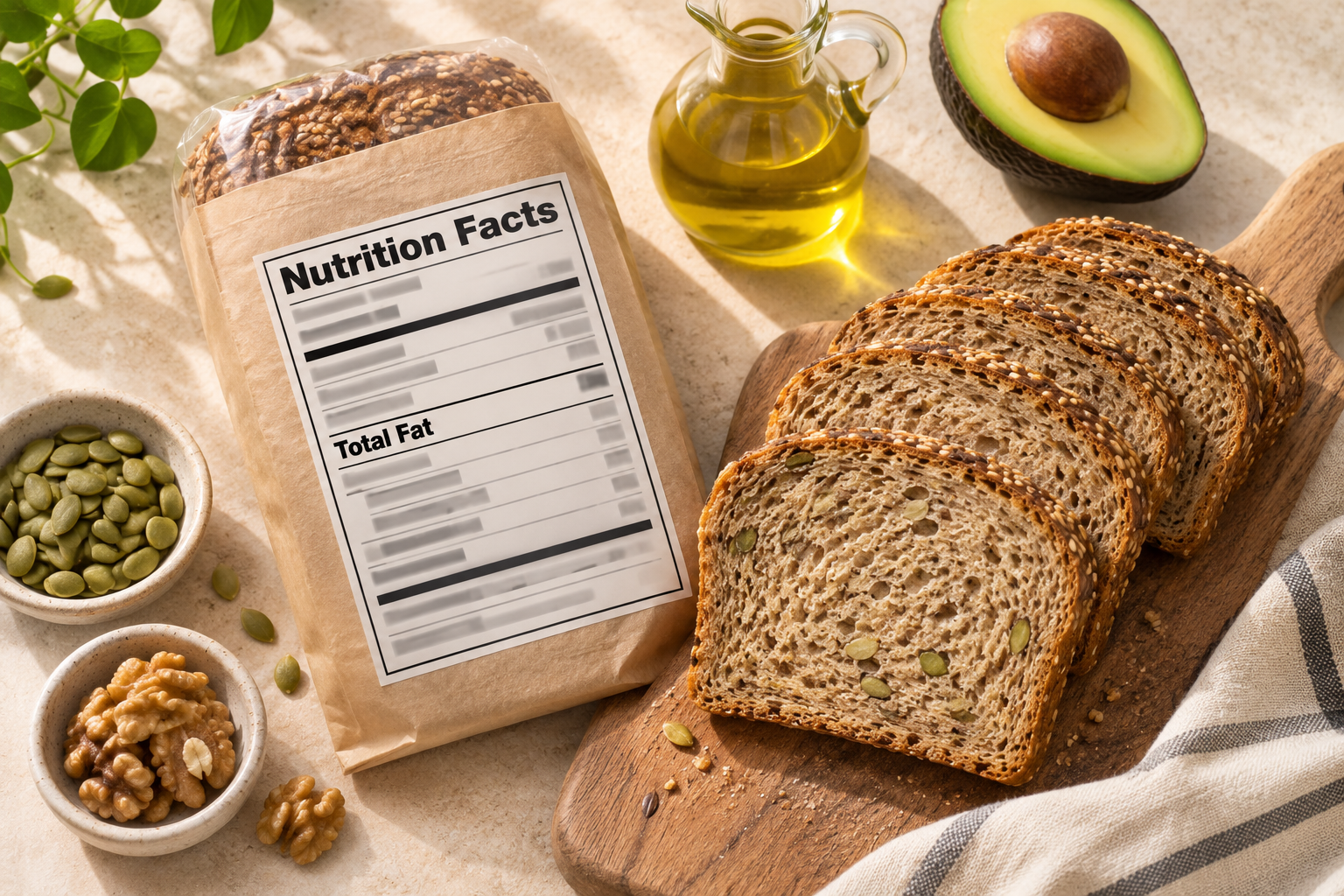
Total Fat in Low-Carb Bread: How to Read the Nutrition Facts
Learn how to compare total fat, saturated fat and serving size on low-carb bread labels—without letting one number decide the whole loaf.
-
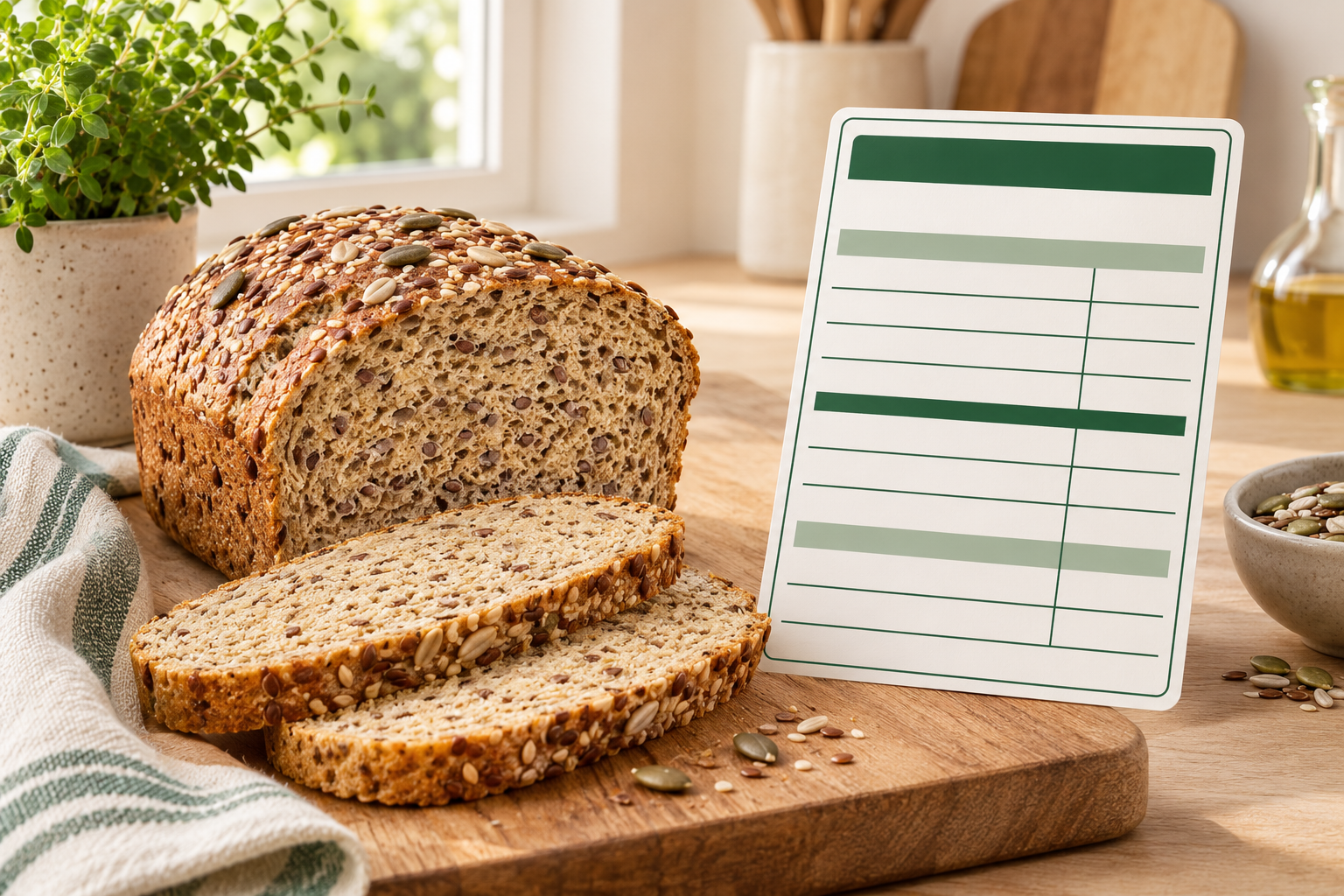
Cholesterol in Low-Carb Bread: How to Read the Label
Learn how to compare cholesterol in low-carb bread by serving size, milligrams, % Daily Value, and the rest of the Nutrition Facts label.
-
Phosphorus in Low-Carb Bread: How to Read the Label
Learn how to read phosphorus on a low-carb bread label, compare milligrams and % Daily Value, and understand why the line may be missing.
-
Magnesium in Low-Carb Bread: How to Read the Label
Learn how to read magnesium on a low-carb bread label, compare milligrams and % Daily Value, and handle an omitted magnesium line without guessing.
-
Calcium in Low-Carb Bread: How to Read the Nutrition Facts
Learn how to compare calcium in low-carb bread by serving size, milligrams, and % Daily Value—without letting one mineral distract from carbs, fiber, sodium, or ingredients.
-
Food Colorings in Low-Carb Bread: How to Read the Label
Learn how food colorings appear on U.S. bread labels, what caramel color and numbered dyes mean, and which details matter when you compare low-carb loaves.
-
Natural Flavors in Low-Carb Bread: What the Label Really Tells You
Natural flavors are a regulated flavoring category, not a health score. Learn what the label confirms, what it leaves unclear, and when to ask the manufacturer.
-
Organic and Non-GMO Low-Carb Bread: How to Read the Label
Learn what organic, non-GMO and bioengineered labels mean on low-carb bread, then compare serving size, total carbohydrate, fiber, ingredients and allergens.
-

What Are Carbohydrates? Understanding Sugar, Your Body, and Low-Carb Eating
Understand sugars, starches, and fiber, how your body processes carbs, and when a low-carb eating pattern may help. Practical examples for bread, desserts, and meals.
-
Glycerin in Low-Carb Bread: Moisture and Label Basics
Learn why glycerin appears in low-carb bread, what moisture retention means, and how to check serving sizes and net-carb claims without guessing.
-
Leavening Agents in Low-Carb Bread: Yeast, Baking Powder, and More
Understand yeast, baking powder, baking soda, and trapped air in low-carb bread, with practical label-reading and home-baking guidance.
-
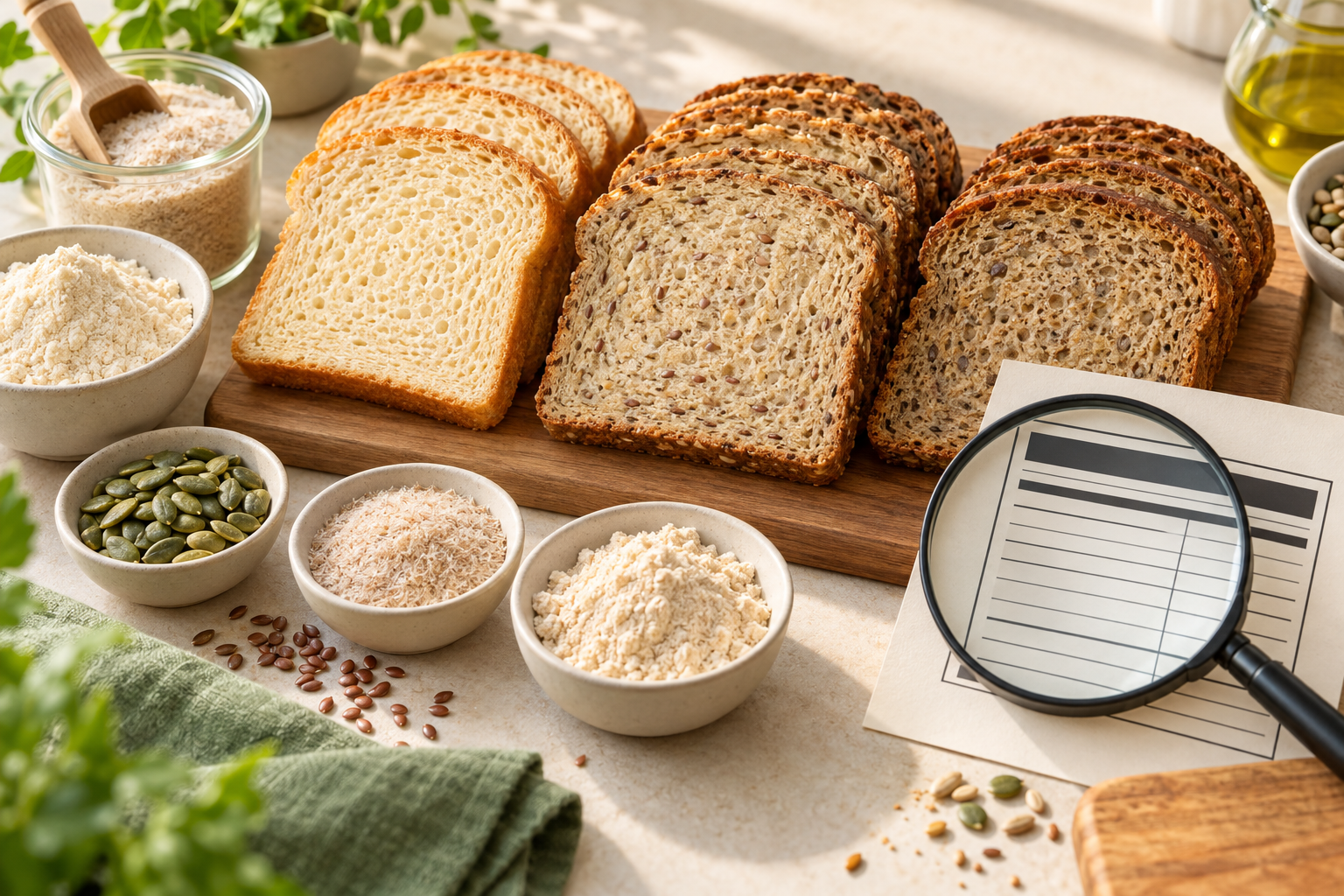
Low-Carb Bread Ingredient Glossary: Common Label Terms
Understand the fibers, starches, proteins, sweeteners, and additives commonly found on low-carb bread labels—and learn how to compare loaves clearly.
-
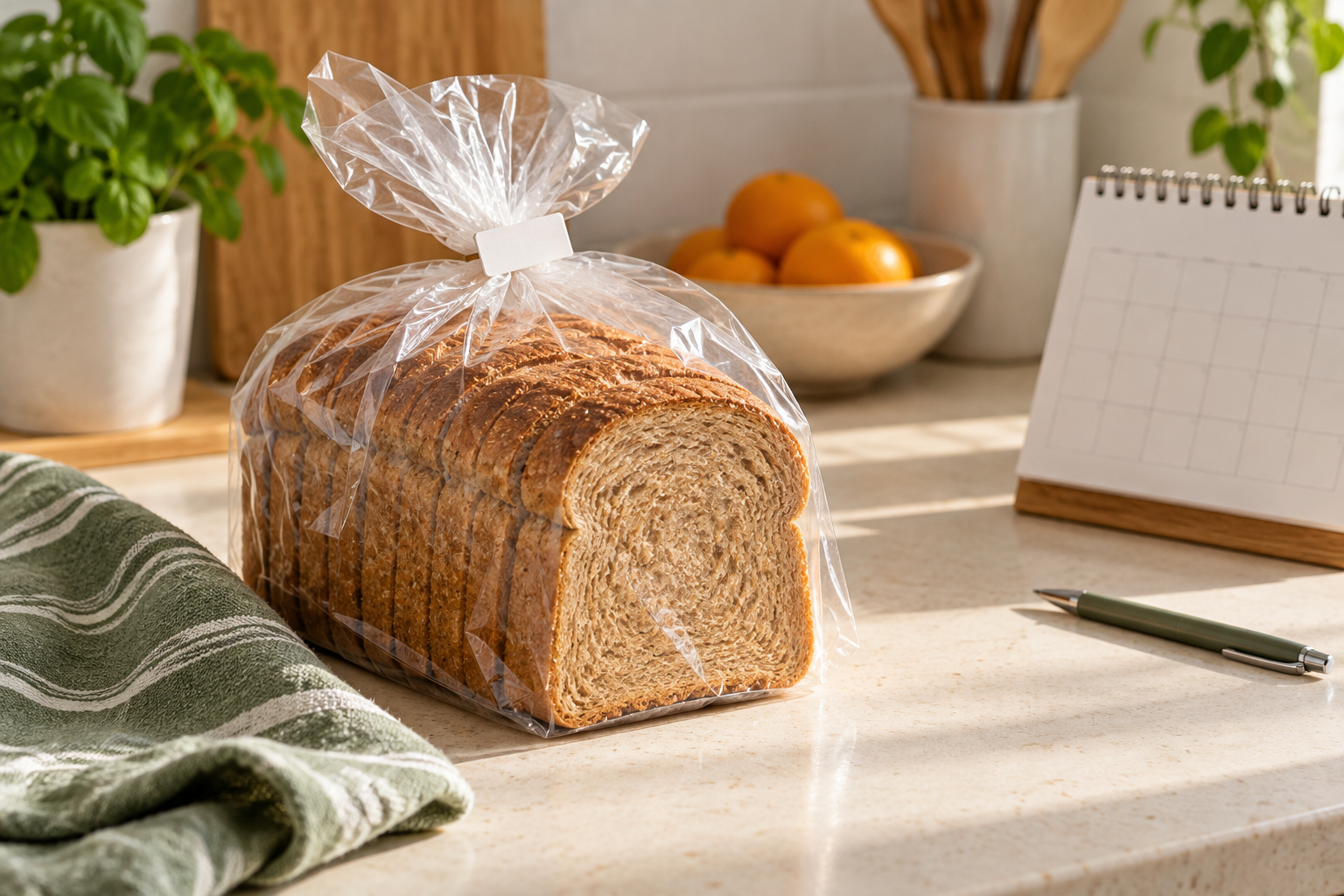
Bread Freshness Dates: Best By, Use By, and Storage
Read bread-package dates alongside storage directions, opening dates, and signs of spoilage. Make a practical plan for the low-carb loaf you use.
-
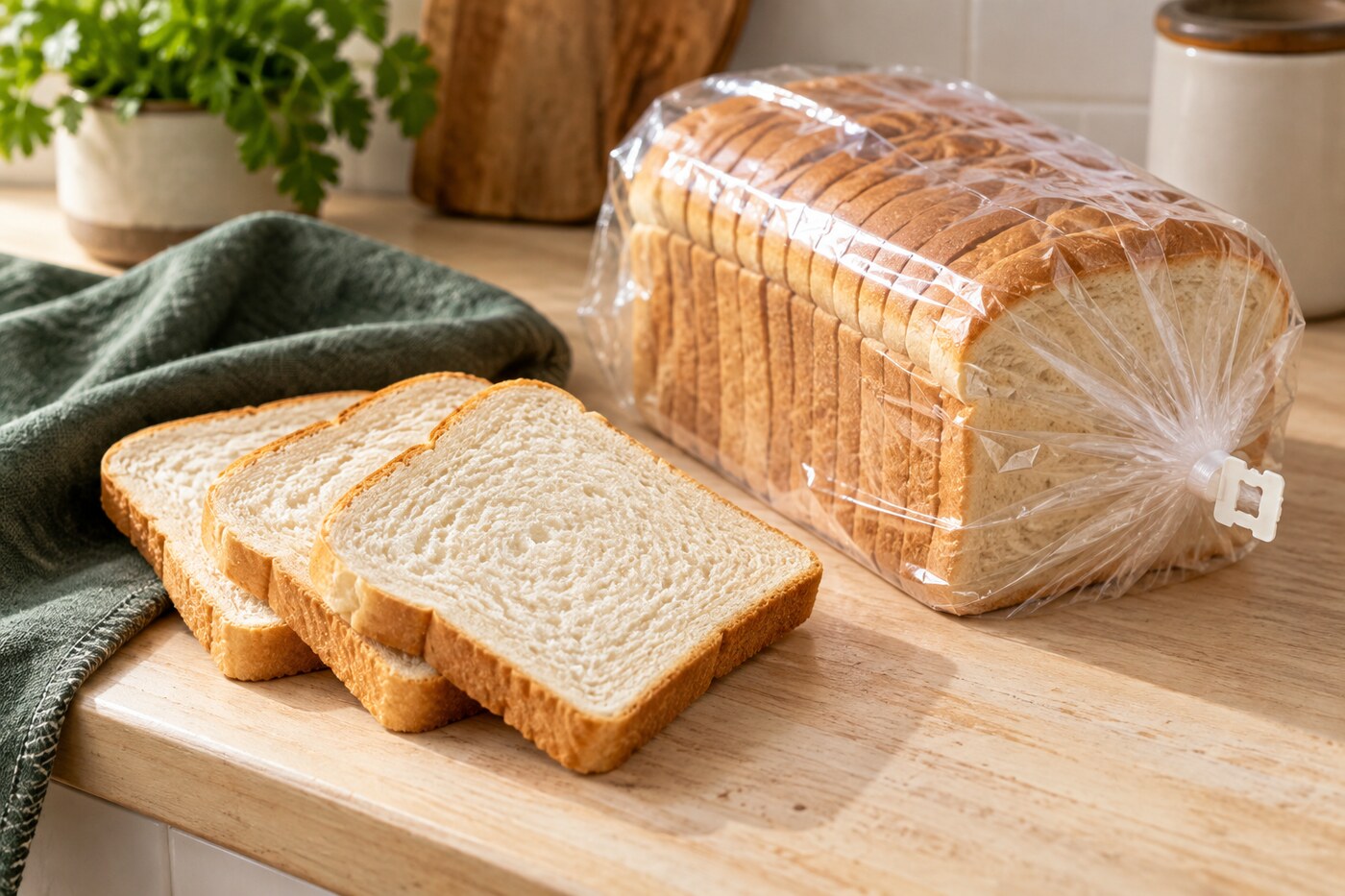
Preservatives in Low-Carb Bread: What to Look For
Recognize common bread preservatives, read their purpose on the label, and plan storage around the loaf you actually use.
-
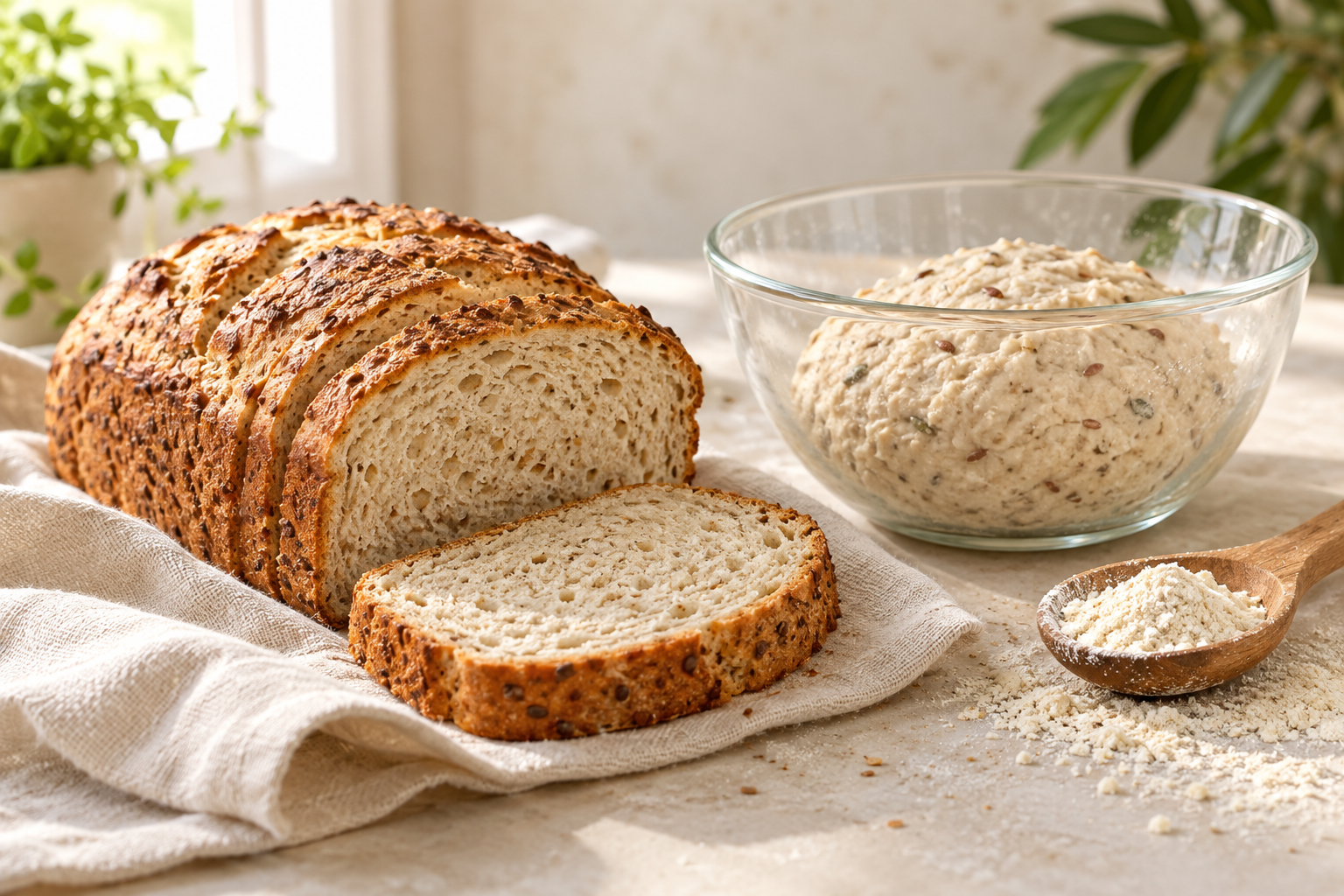
Dough Conditioners in Low-Carb Bread: A Label Guide
What dough conditioners do in low-carb bread, which names appear on labels, and how to compare the whole loaf before you buy.
-
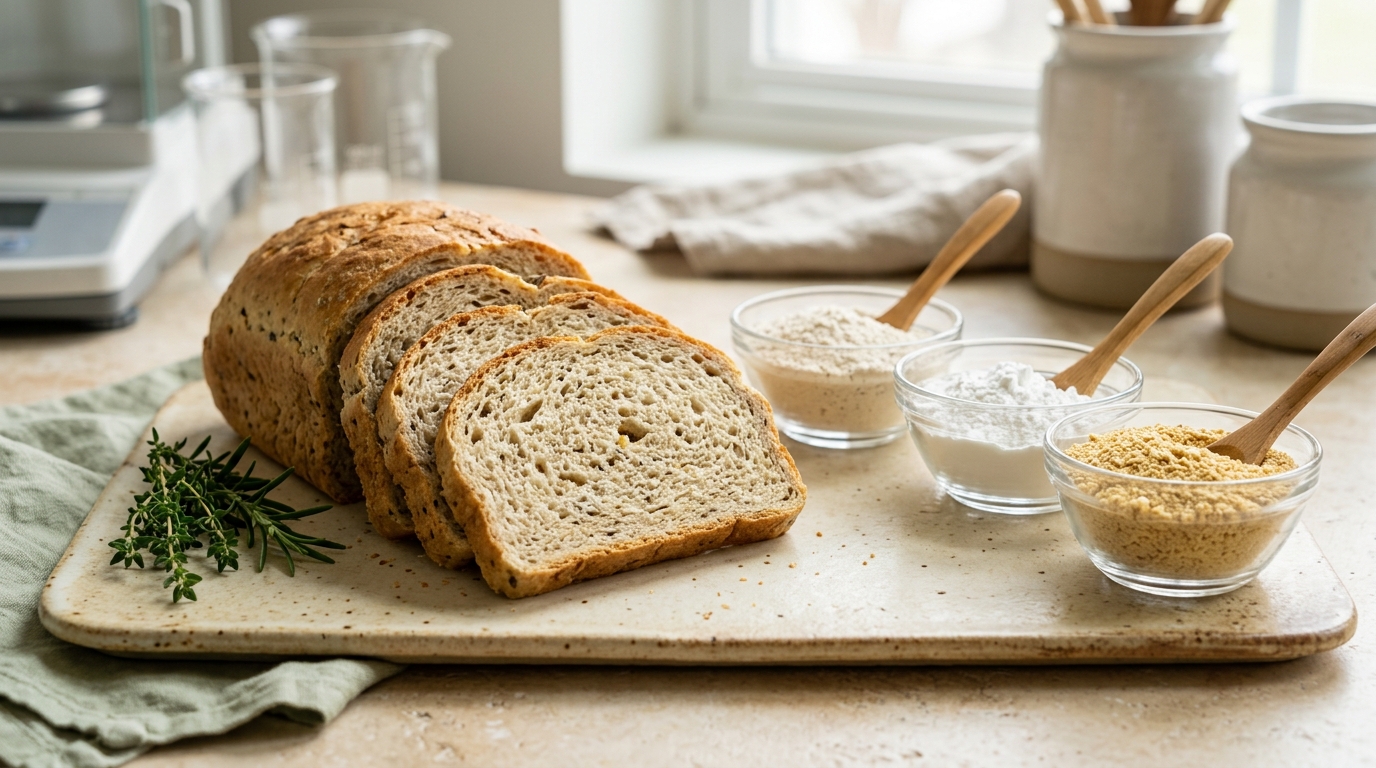
Enzymes in Low-Carb Bread: Why They Appear on Labels
A practical guide to baking enzymes in low-carb bread: what amylases, xylanases, proteases and lipases do, plus what labels can and cannot tell you.
-
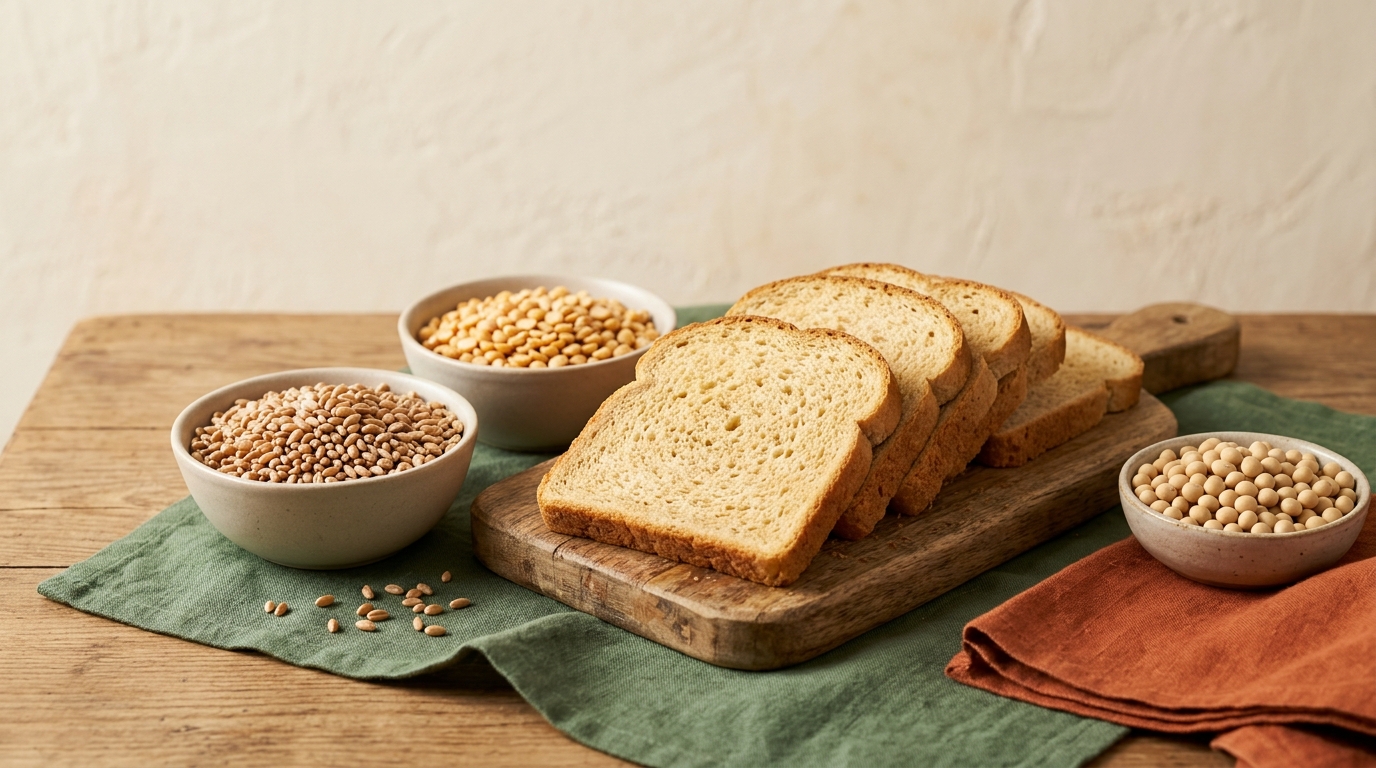
Protein Isolates in Low-Carb Bread: What They Add
Protein isolates can add structure and protein to low-carb bread, but wheat, soy, pea, and milk proteins bring different texture and allergen tradeoffs.
-
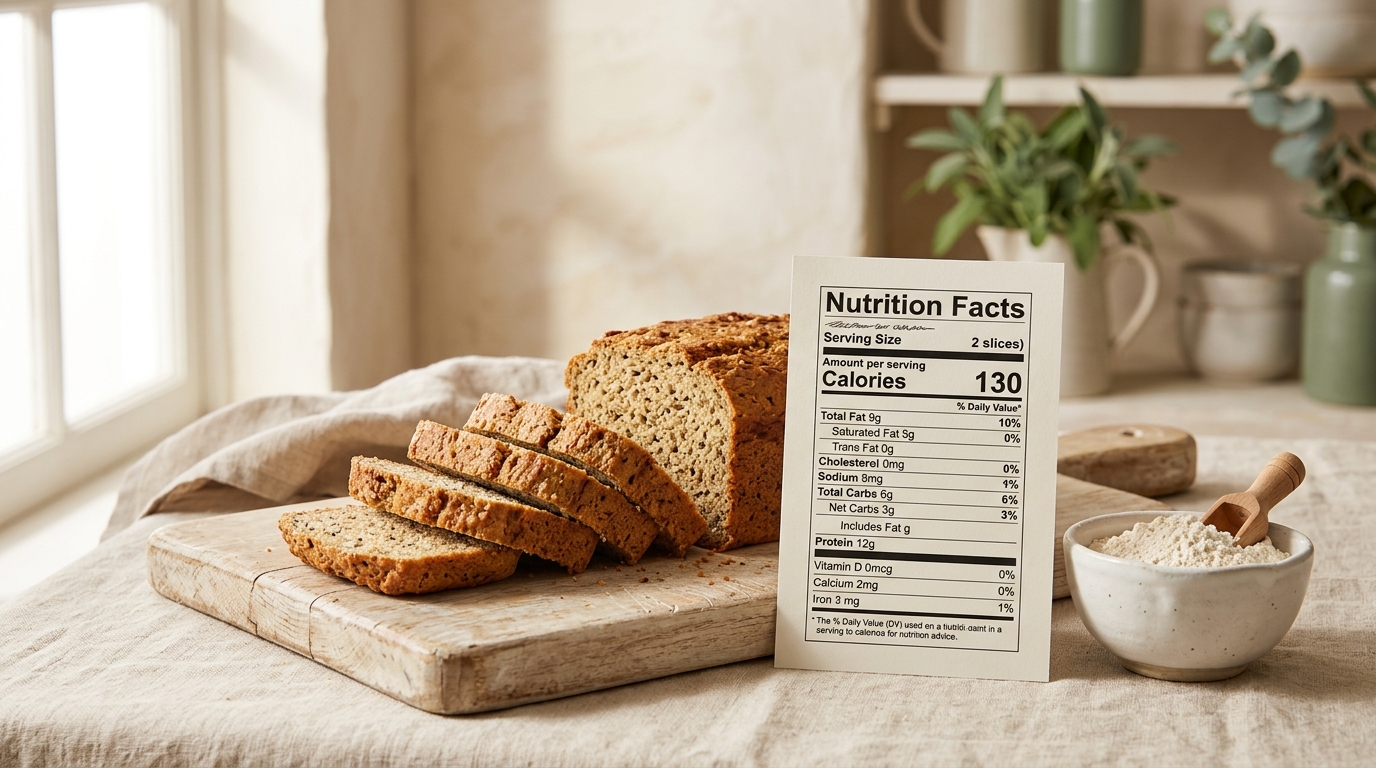
Resistant Starch and Net Carbs: What Bread Labels Mean
Learn how resistant starch appears on low-carb bread labels, when it may count as fiber, and why you should verify net-carb math from the Nutrition Facts panel.
-
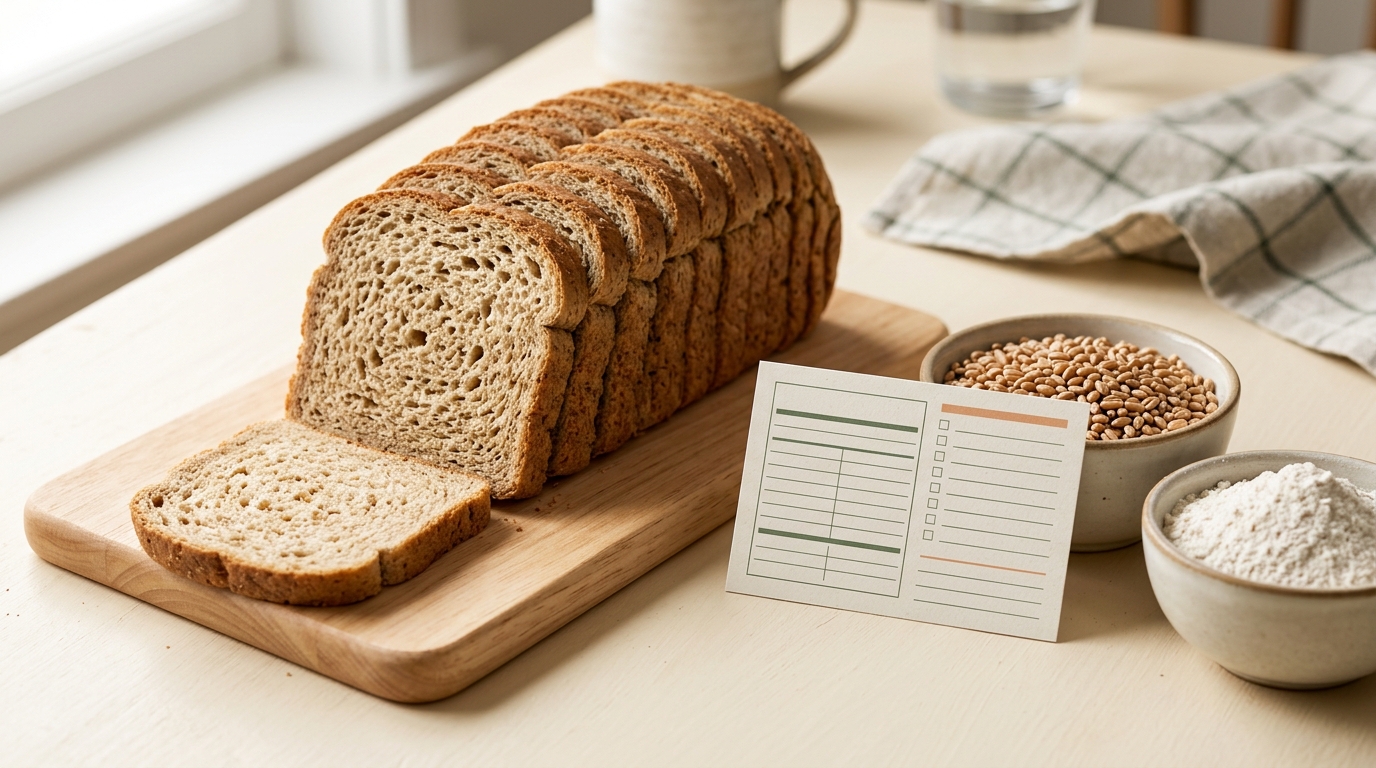
Enriched vs. Fortified Low-Carb Bread: Reading the Label
Learn what enriched and fortified mean on low-carb bread labels—and why neither term tells you the bread’s carbohydrate content.
-
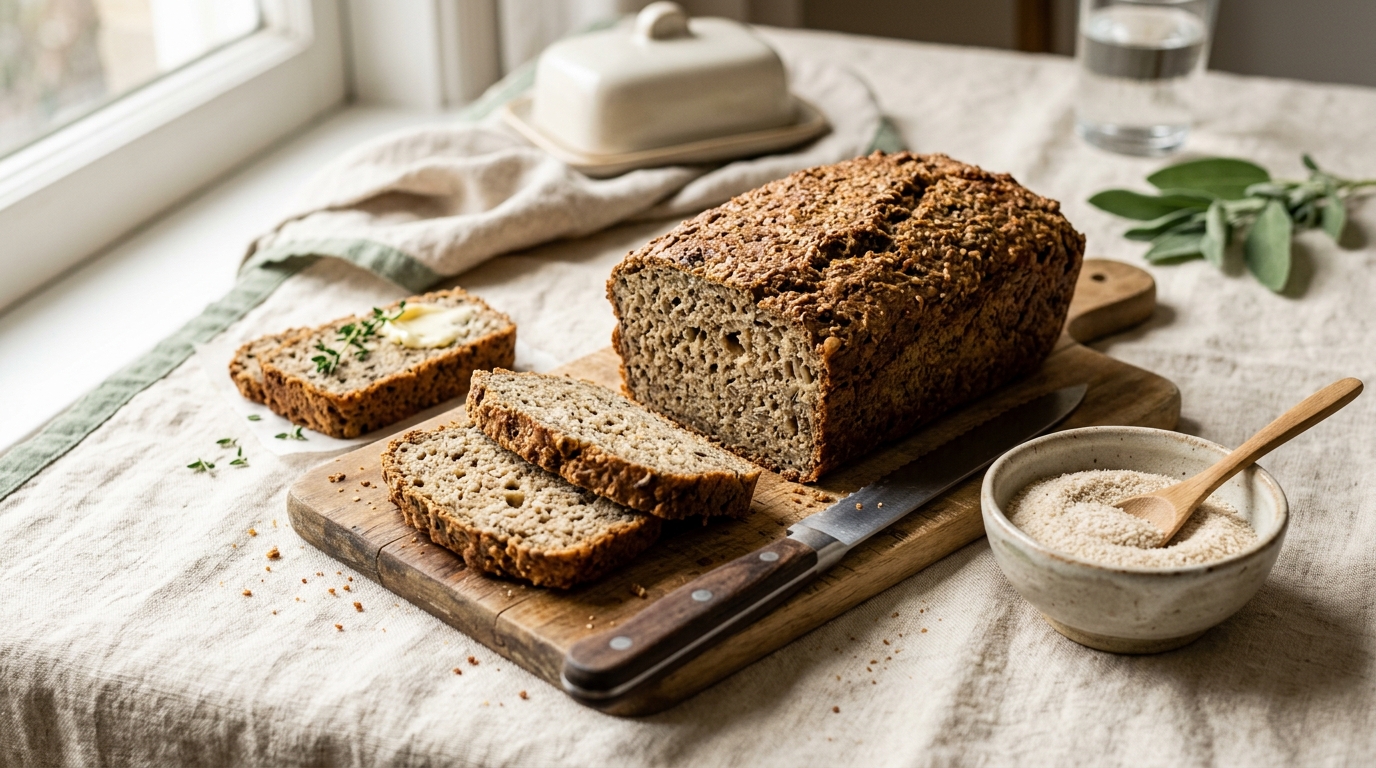
Psyllium Husk in Low-Carb Bread: What It Does
Learn how psyllium husk binds low-carb bread, manages moisture, improves slicing, and why the wrong form or water balance can cause a gummy loaf.
-
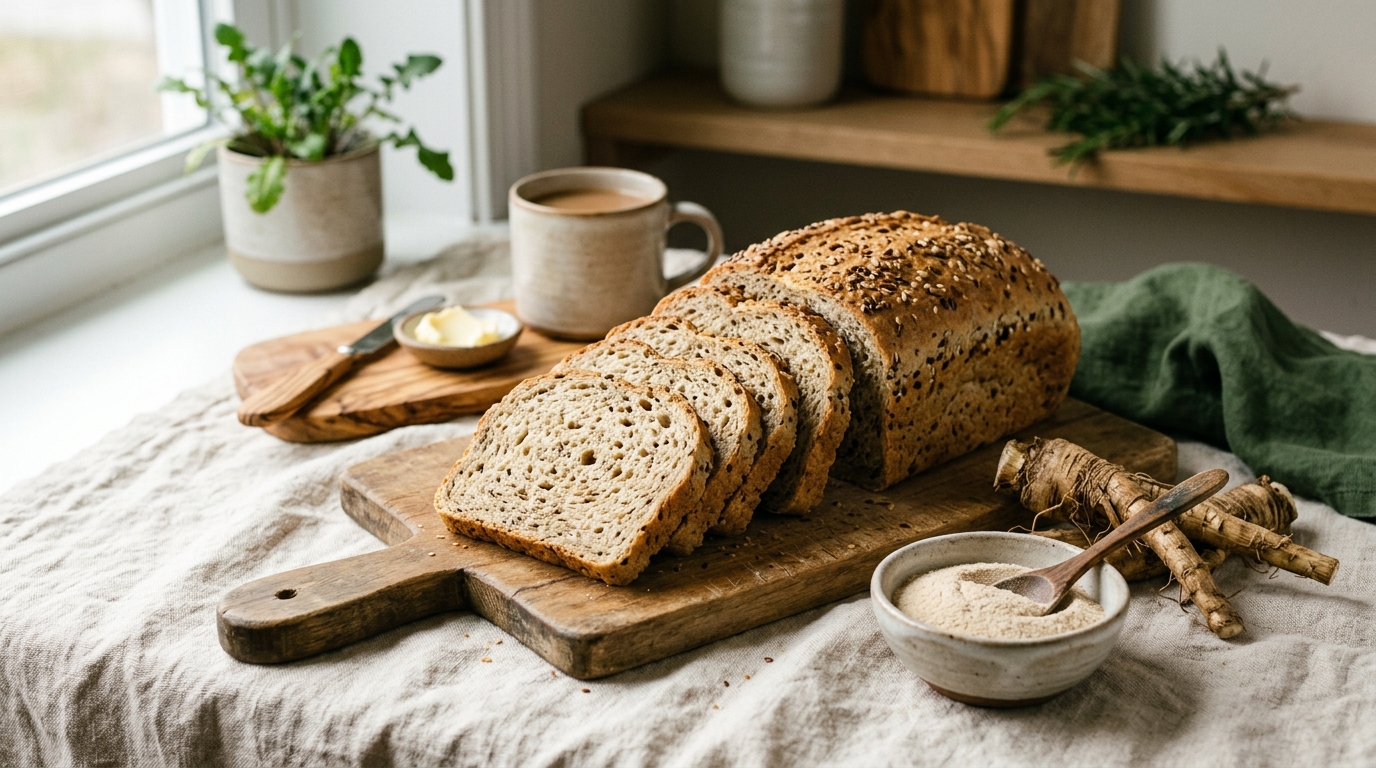
Inulin and Chicory Root Fiber in Low-Carb Bread: What Labels Mean
Inulin and chicory root fiber can boost fiber and shape texture in low-carb bread. Learn how to read the label, compare loaves, and assess digestive tolerance.
-
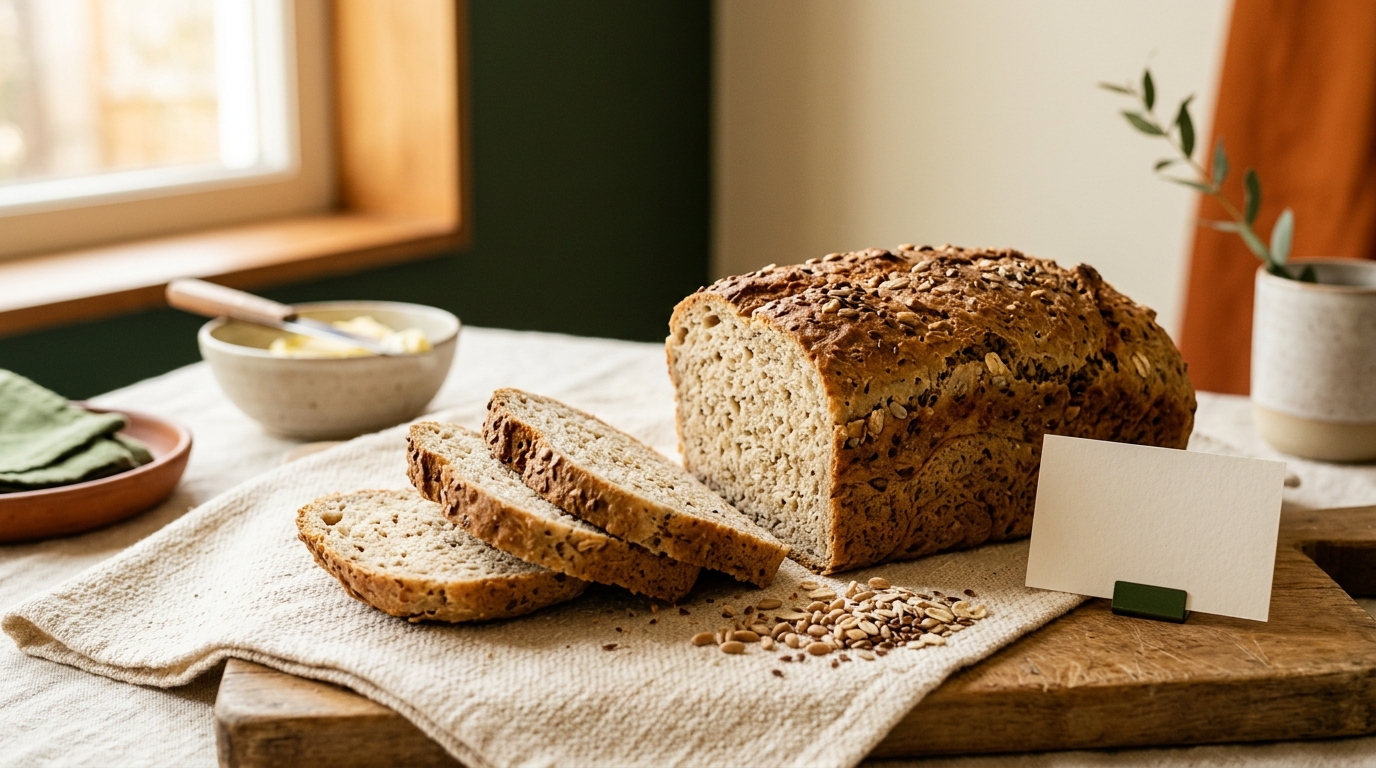
Modified Wheat Starch in Low-Carb Bread: What It Is
Modified wheat starch helps low-carb bread stay soft and sliceable, but the ingredient name alone does not define net carbs, fiber, or glucose response.
-
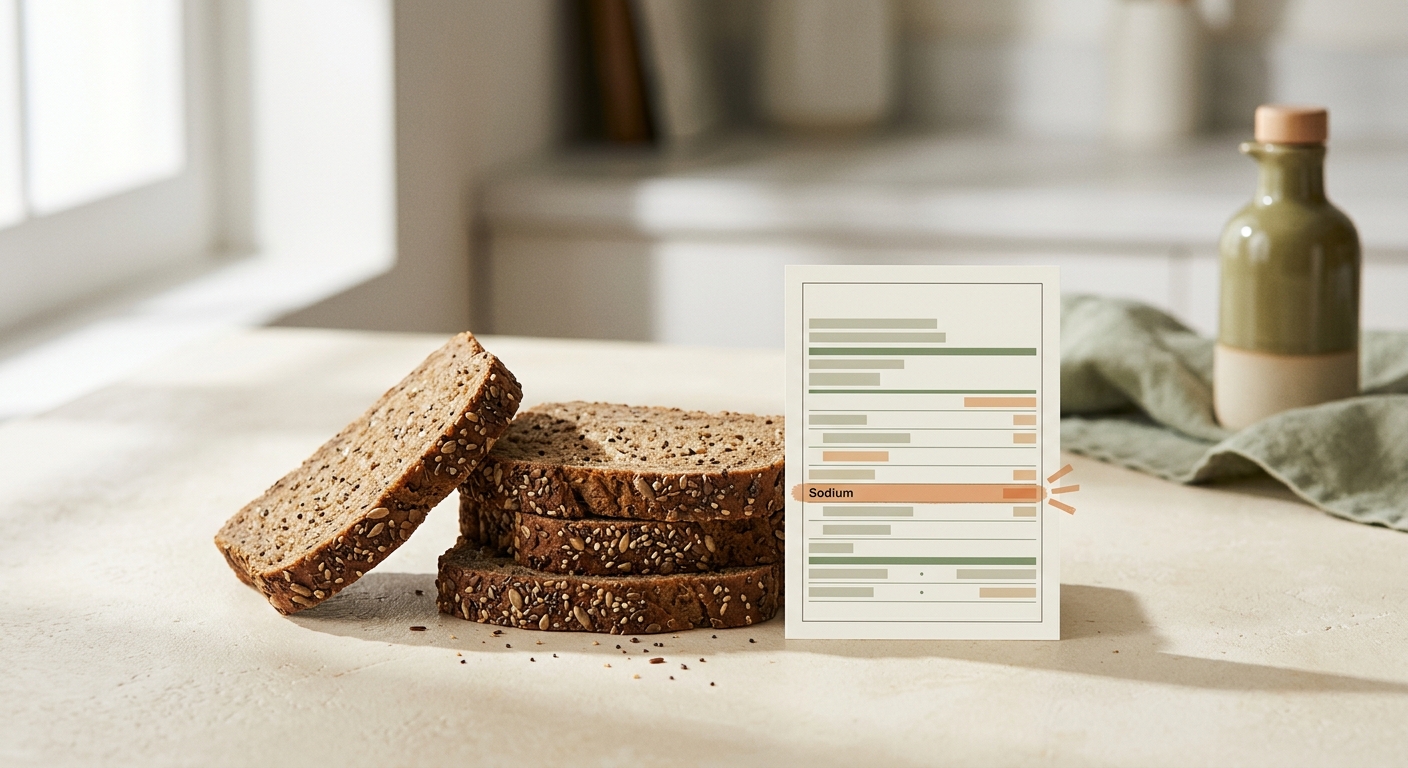
Sodium in Low-Carb Bread: What to Check Before You Buy
Low-carb bread is not automatically low in sodium. Learn how to compare serving sizes, sodium milligrams, Daily Value, and the complete meal before choosing a loaf.
-

What CGMs Are Showing Us About Low-Carb Bread
Continuous glucose monitors reveal that bread responses vary by person, portion, meal, and day. Learn what CGM curves can—and cannot—tell you about low-carb bread.
-
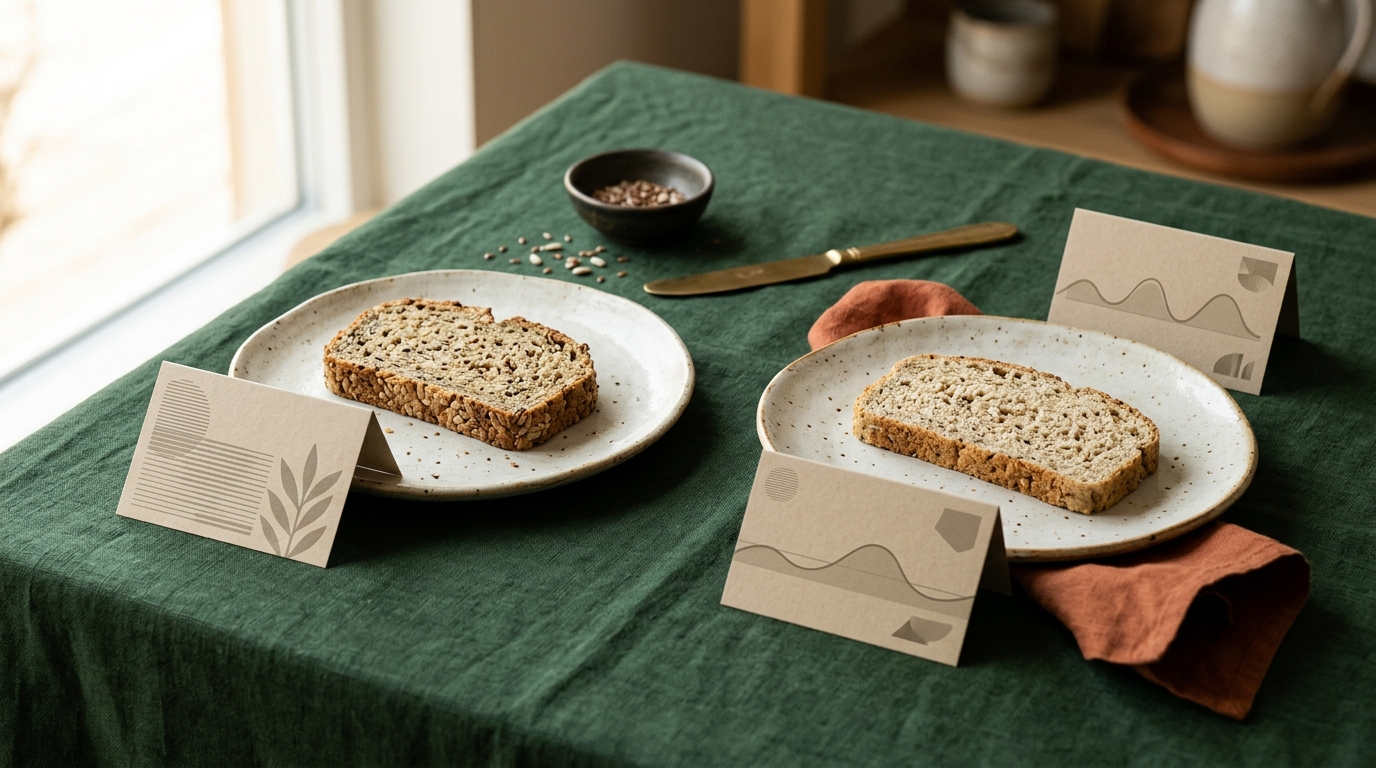
Glycemic Impact of Low-Carb Bread: What the Label Can’t Tell You
Two low-carb breads can show the same net carbs and still affect blood sugar differently. Learn what starch, fiber, portions, meals, and labels can reveal.
-
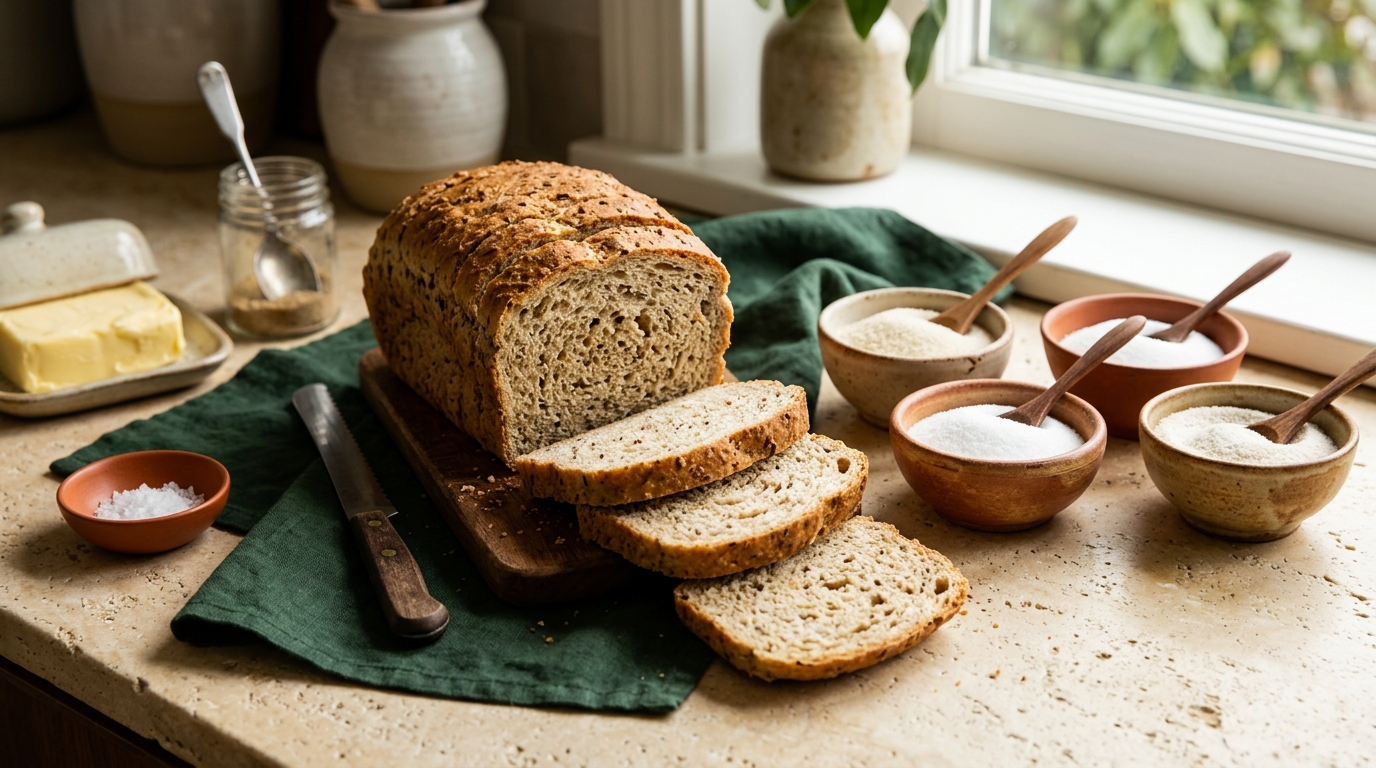
Do Sugar Alcohols Affect Blood Sugar? A Low-Carb Bread Guide
Sugar alcohols do not all affect blood sugar the same way. Learn how erythritol, maltitol, sorbitol, and xylitol differ—and how to read a low-carb bread label.
-
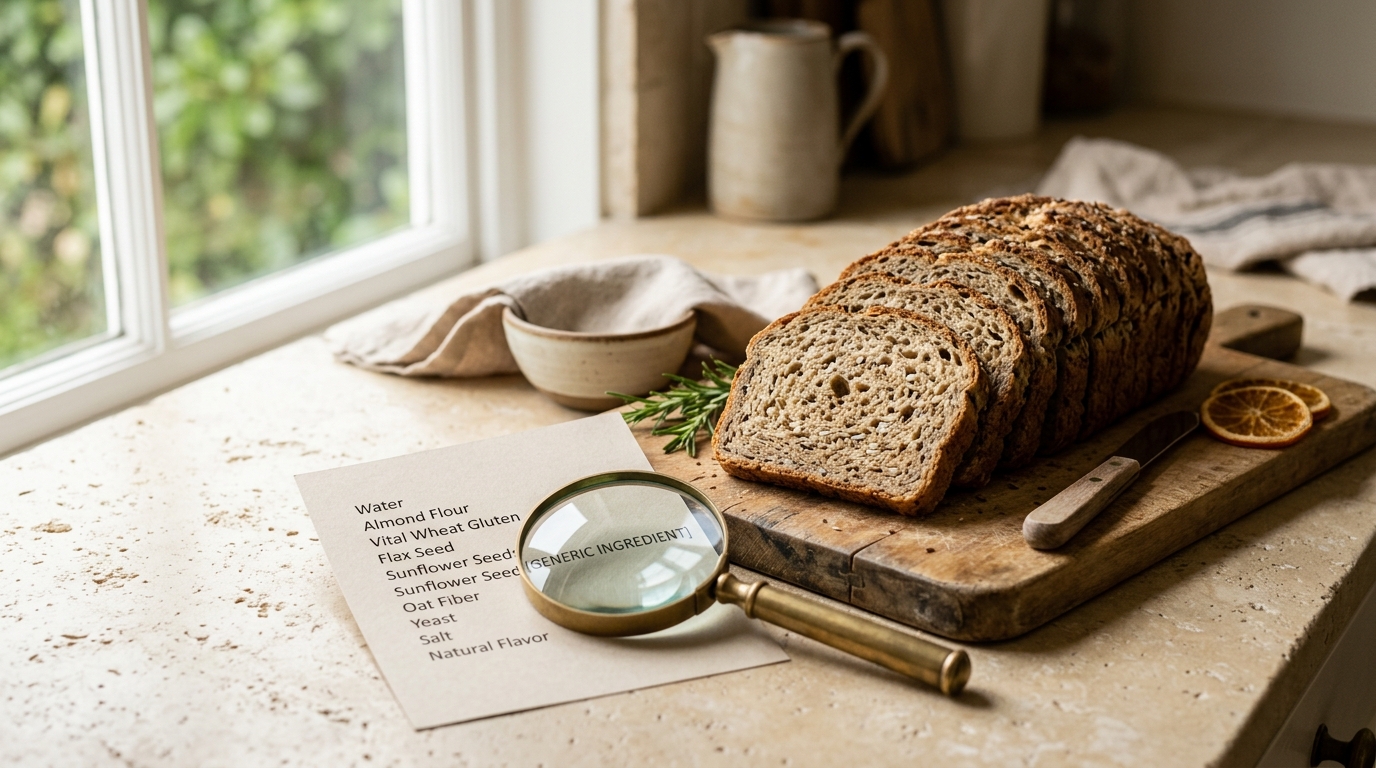
Why Maltitol Is the Sugar Alcohol to Watch in Low-Carb Bread
Maltitol usually affects blood sugar less than sugar, but its impact is not zero. Learn how to spot it, count carbs carefully, and judge digestive tolerance.
-

Erythritol vs. Allulose: Which Sweetener Is Better for Low-Carb Bread?
Compare erythritol and allulose for low-carb bread, including taste, browning, texture, digestion, blood-sugar response, labeling, and current safety research.
-
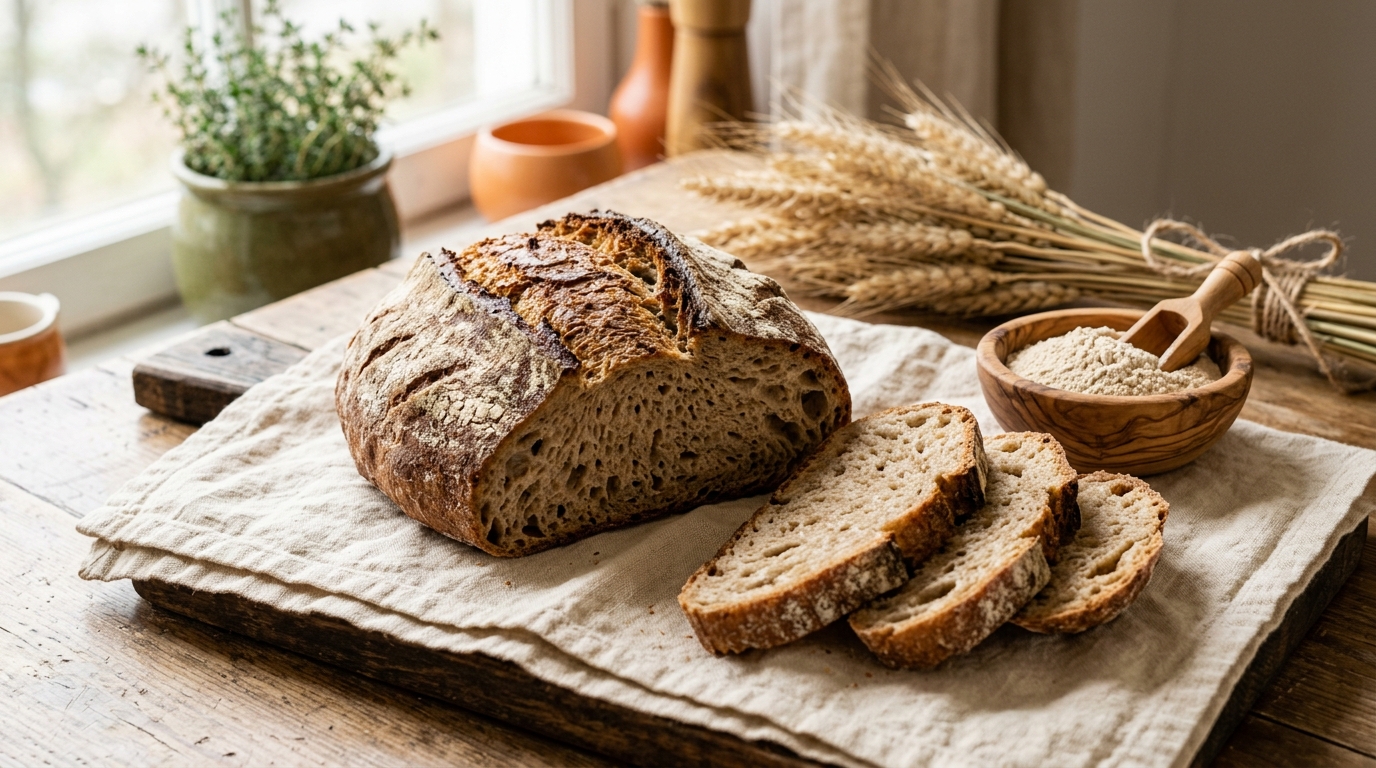
Vital Wheat Gluten: The Protein Behind Low-Carb Bread’s Chew
Vital wheat gluten gives many low-carb breads their stretch, rise, chew, and extra protein. Learn how it works, what labels reveal, and who must avoid it.
-
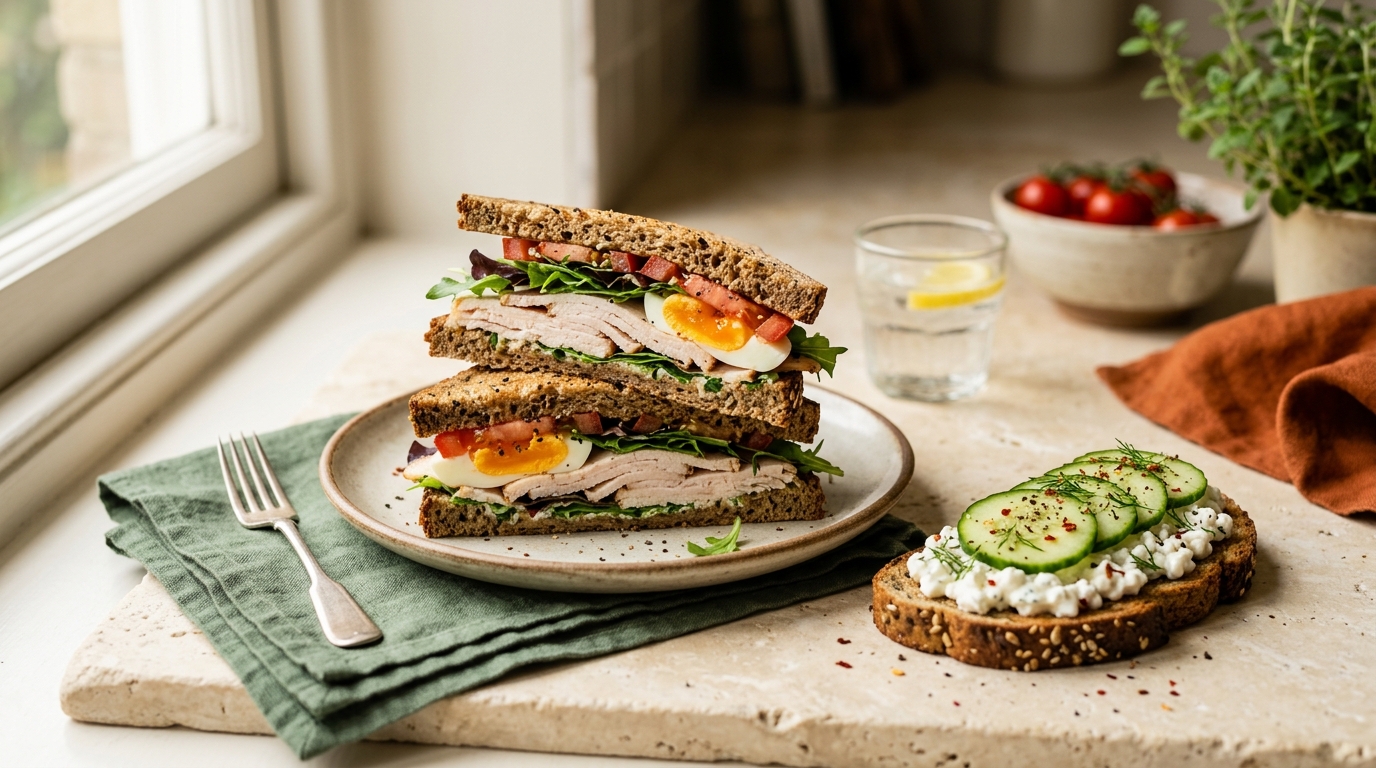
Protein and Satiety: Does High-Protein Bread Keep You Full?
Protein can increase short-term fullness, but a few extra grams in bread do not guarantee fewer cravings. Learn how to compare low-carb loaves and build a more satisfying meal.
-
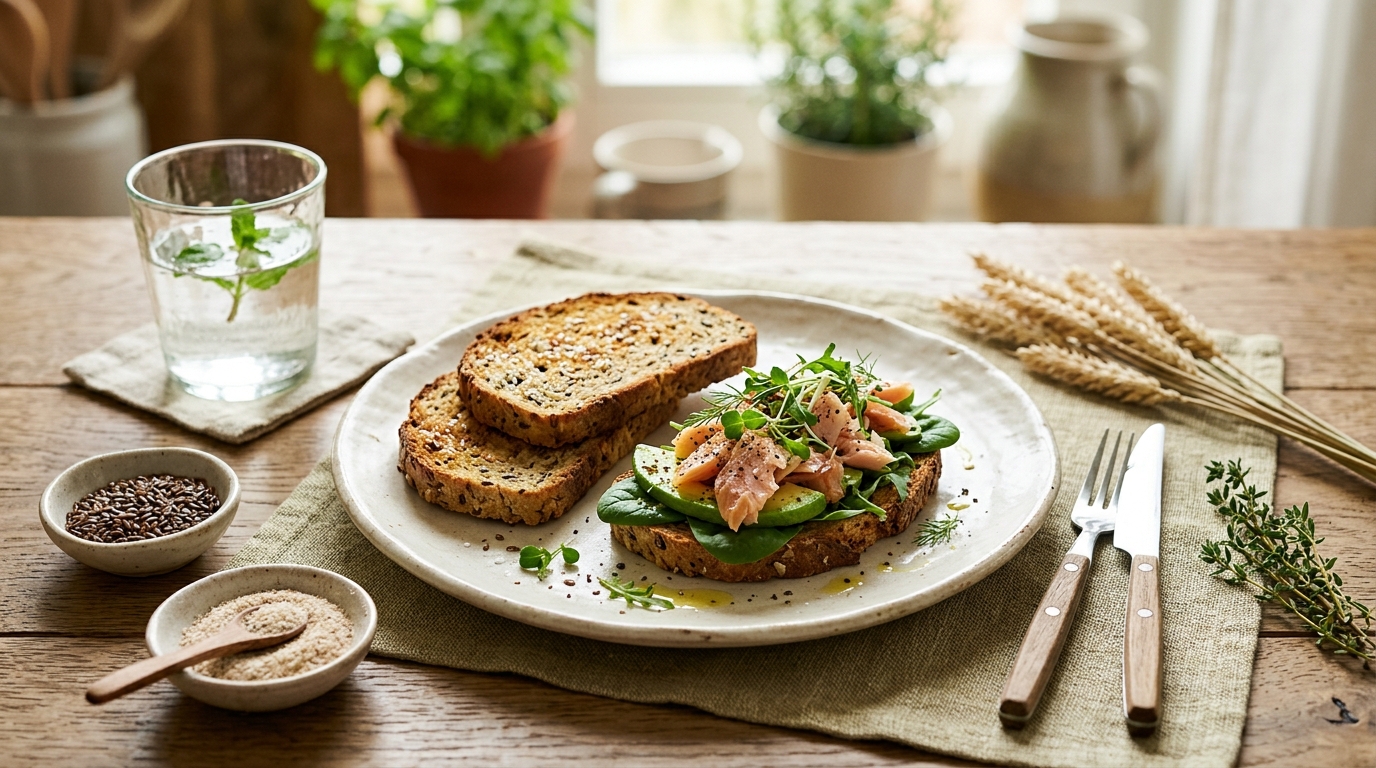
How Much Fiber Is Too Much at Once?
High-fiber low-carb bread can deliver most of a day’s fiber in one sandwich. Learn how to read the label, increase fiber gradually, and recognize when a serving is too much for you.
-
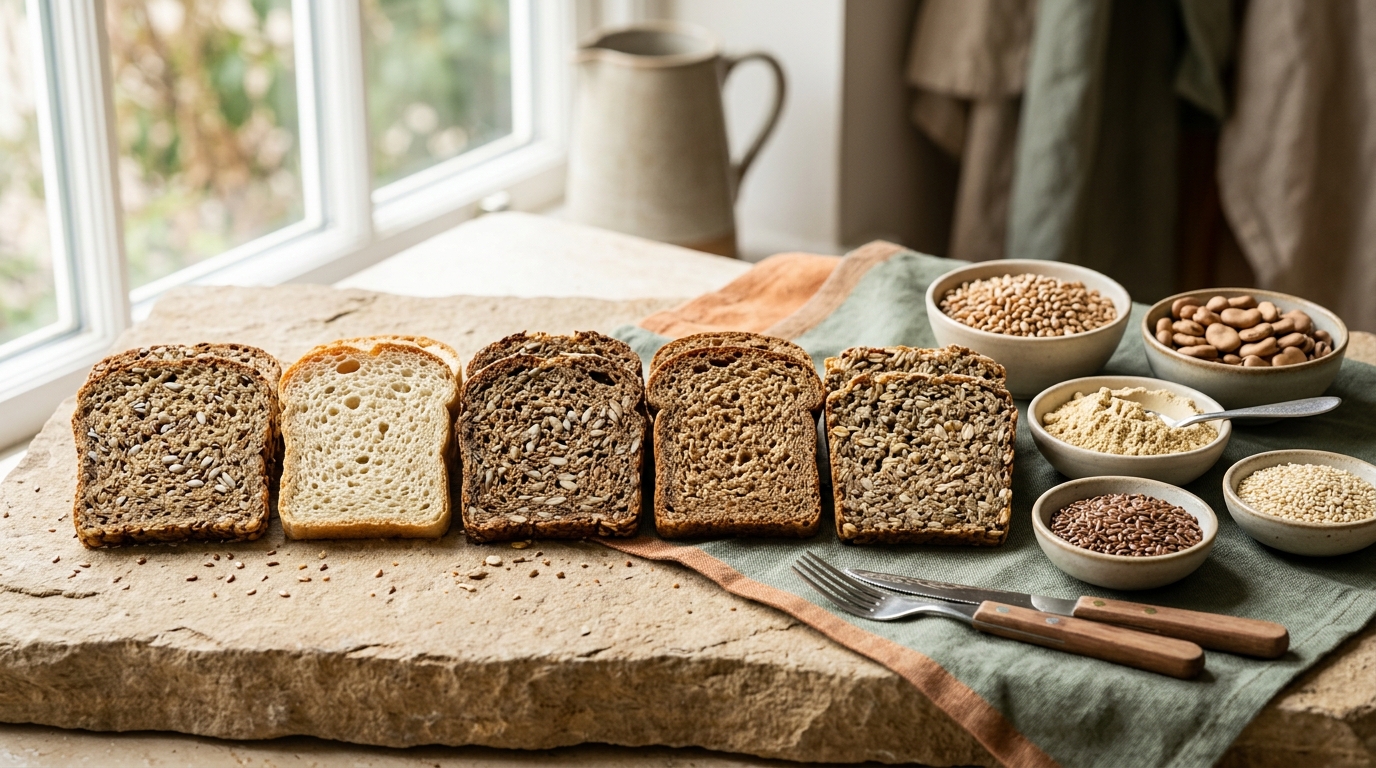
How Much Protein Is Actually in Low-Carb Bread? 5 Labels Compared
How much protein does low-carb bread provide? We compare five current labels, explain serving-size differences, and show how to judge protein fairly.
-
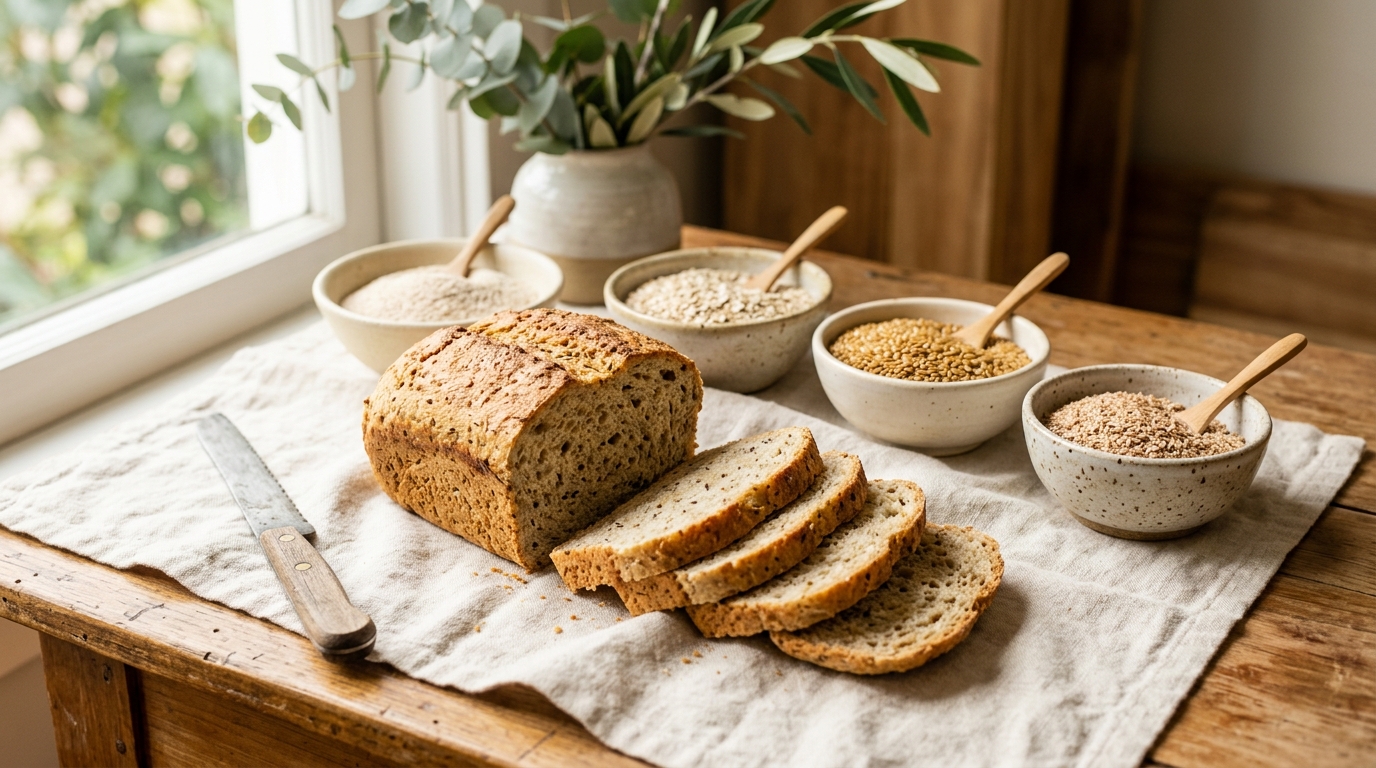
Soluble vs. Insoluble Fiber in Low-Carb Bread
Soluble and insoluble fiber behave differently in low-carb bread. Learn how to spot common fiber ingredients, read labels, and choose a loaf you tolerate well.
-
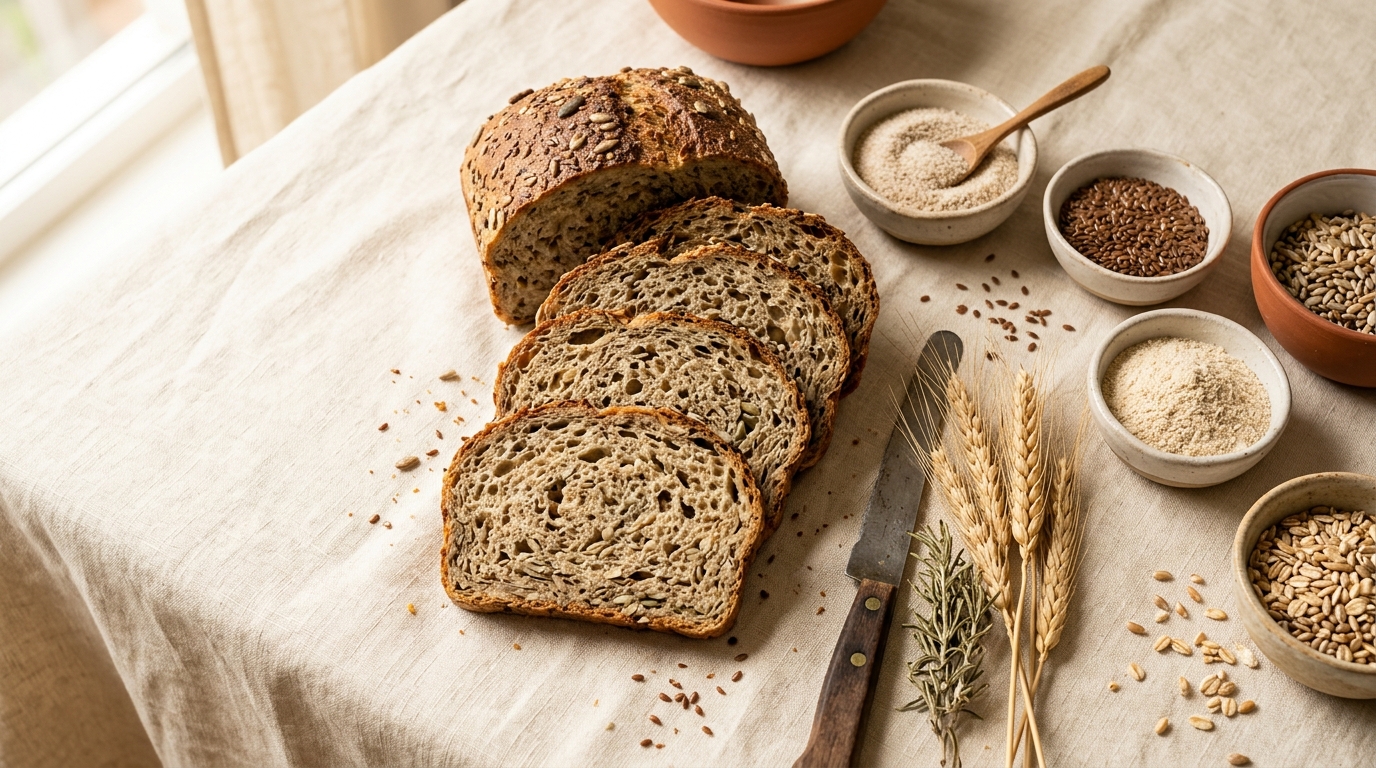
Why Fiber Is Subtracted From Carbs (and When That Math Can Mislead You)
Fiber is commonly subtracted from total carbohydrate to estimate net carbs, but “doesn’t count” is shorthand. Here’s how to use the math without letting a low number fool you.
-
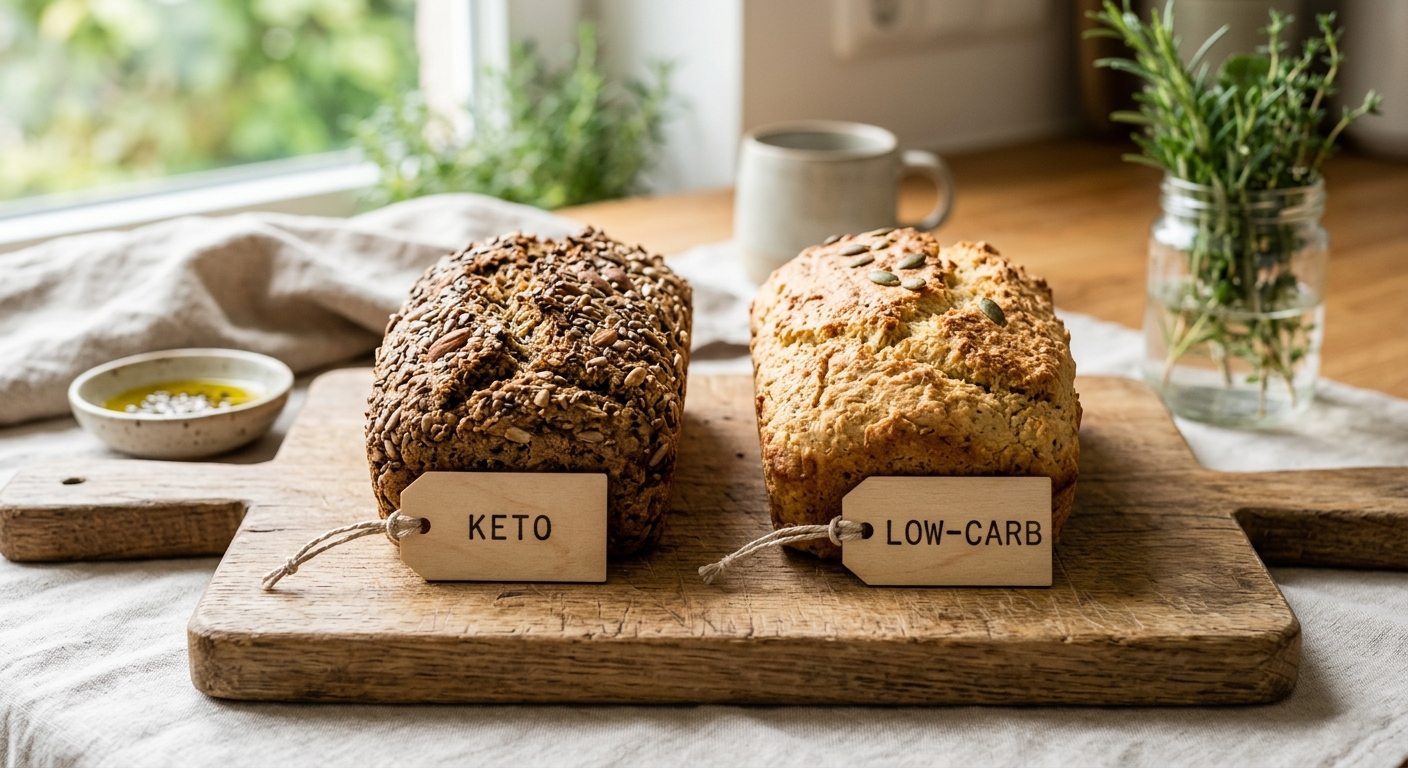
Keto Bread vs. Low-Carb Bread: What’s the Difference?
Both labels appear on bread that looks nearly identical—but “keto” and “low-carb” are unregulated marketing terms. Here’s what they actually mean, how to read past the branding, and the one number that matters.
-
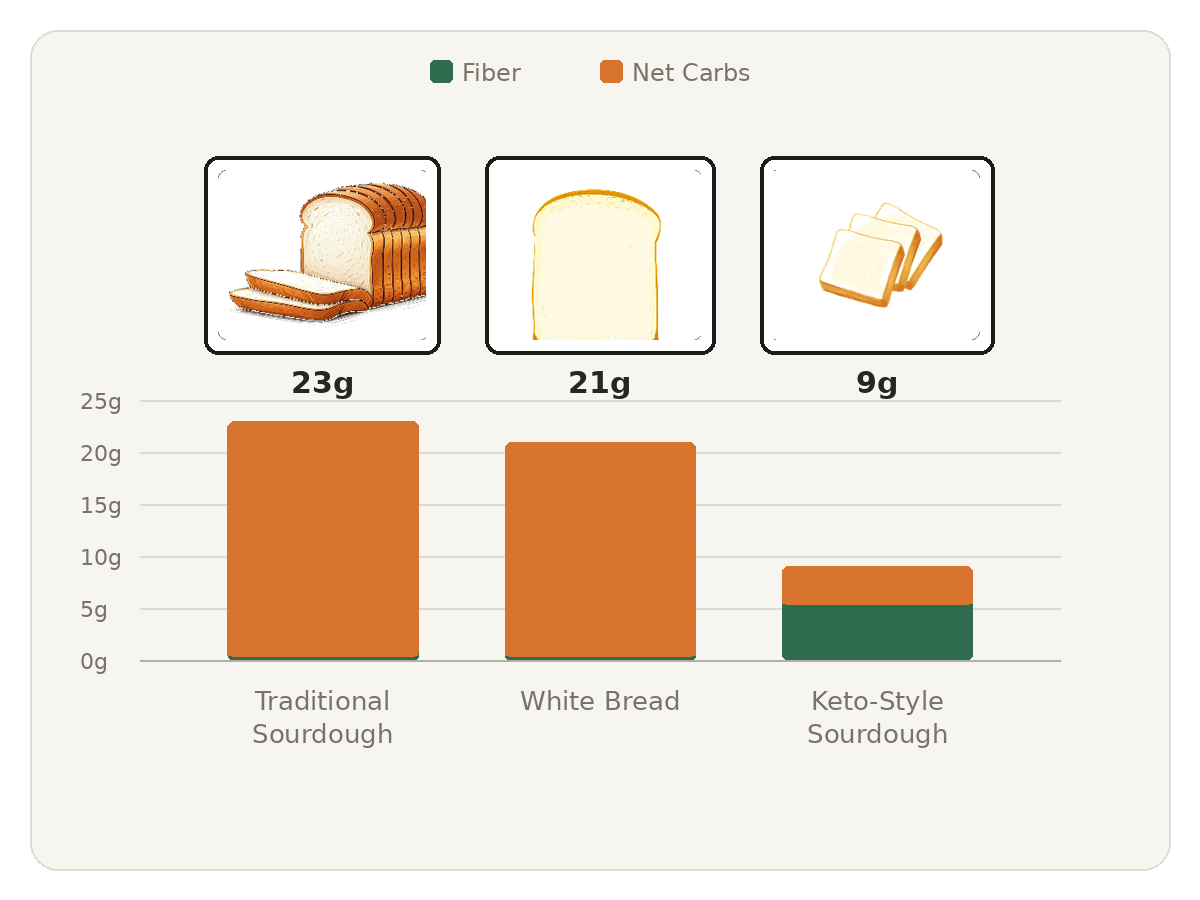
Is Sourdough Low-Carb? Here’s What the Label Actually Says
Sourdough has a health-food reputation, but the label tells a different story. Here’s what the fermentation actually changes, what it doesn’t, and the low-carb sourdough options genuinely worth buying.
-
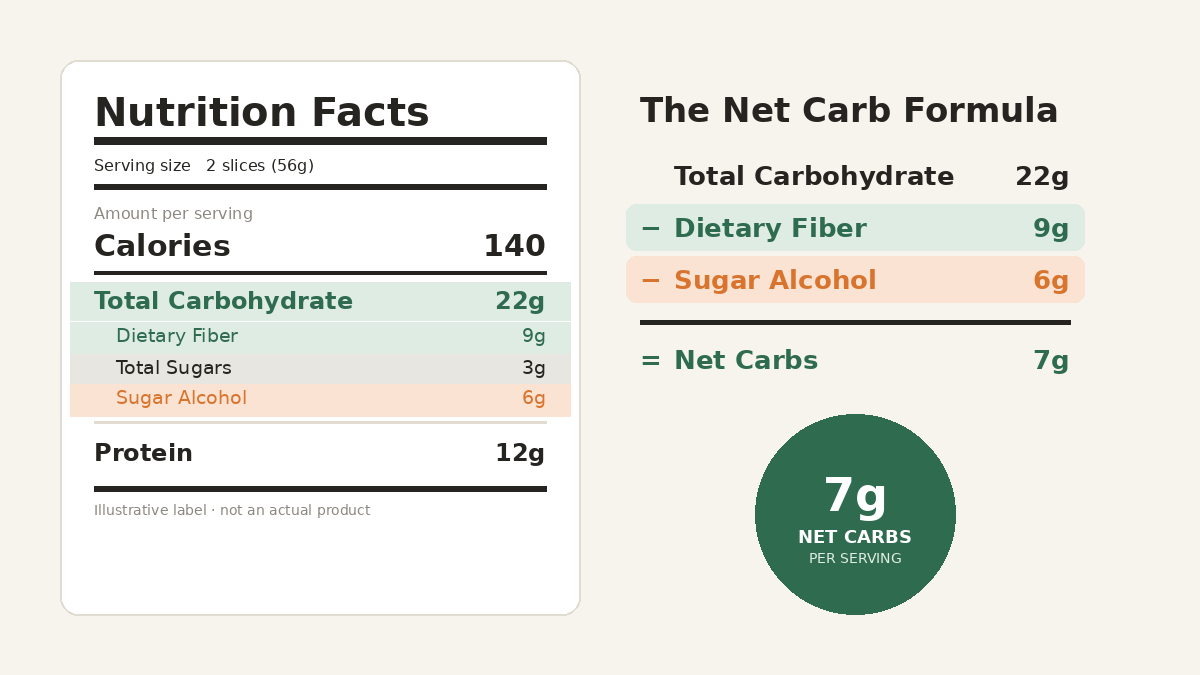
How to Read a Nutrition Label for Net Carbs
Learn exactly which numbers to check on a Nutrition Facts label to calculate net carbs, why the FDA doesn’t define “net carbs,” and the label tricks that inflate or hide them.
-
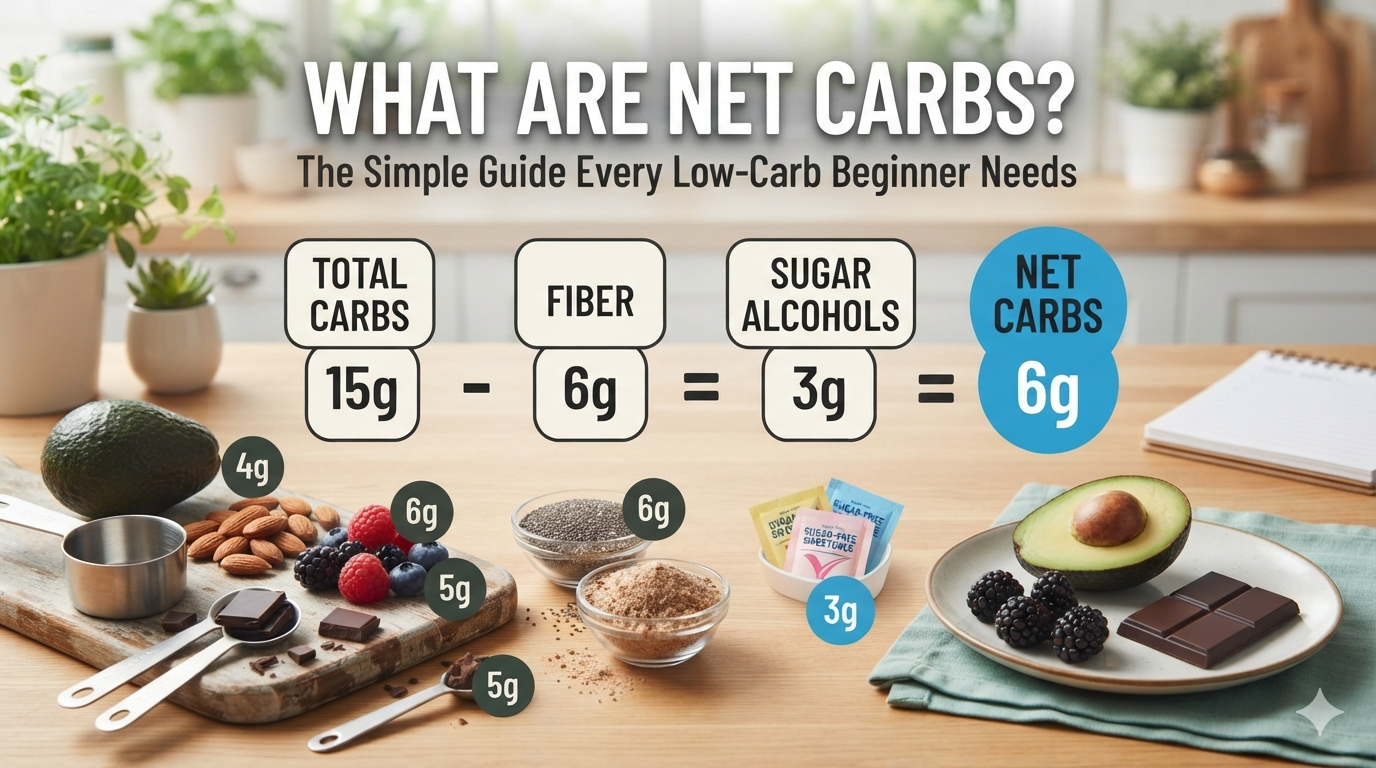
What Are Net Carbs? The Simple Guide Every Low-Carb Beginner Needs
Home › Nutrition You’re standing in the bread aisle, turning a loaf sideways to read the label. It says 22 grams of total carbs. But the front of the package screams “Only 2g Net Carbs!” in big bold letters. So which number actually matters? If you’re new to low-carb eating, net carbs can feel like…
-

Is Keto Bread Healthy? An Honest Look
An honest, balanced look at the real benefits and downsides of keto bread — no hype, just the facts.
-
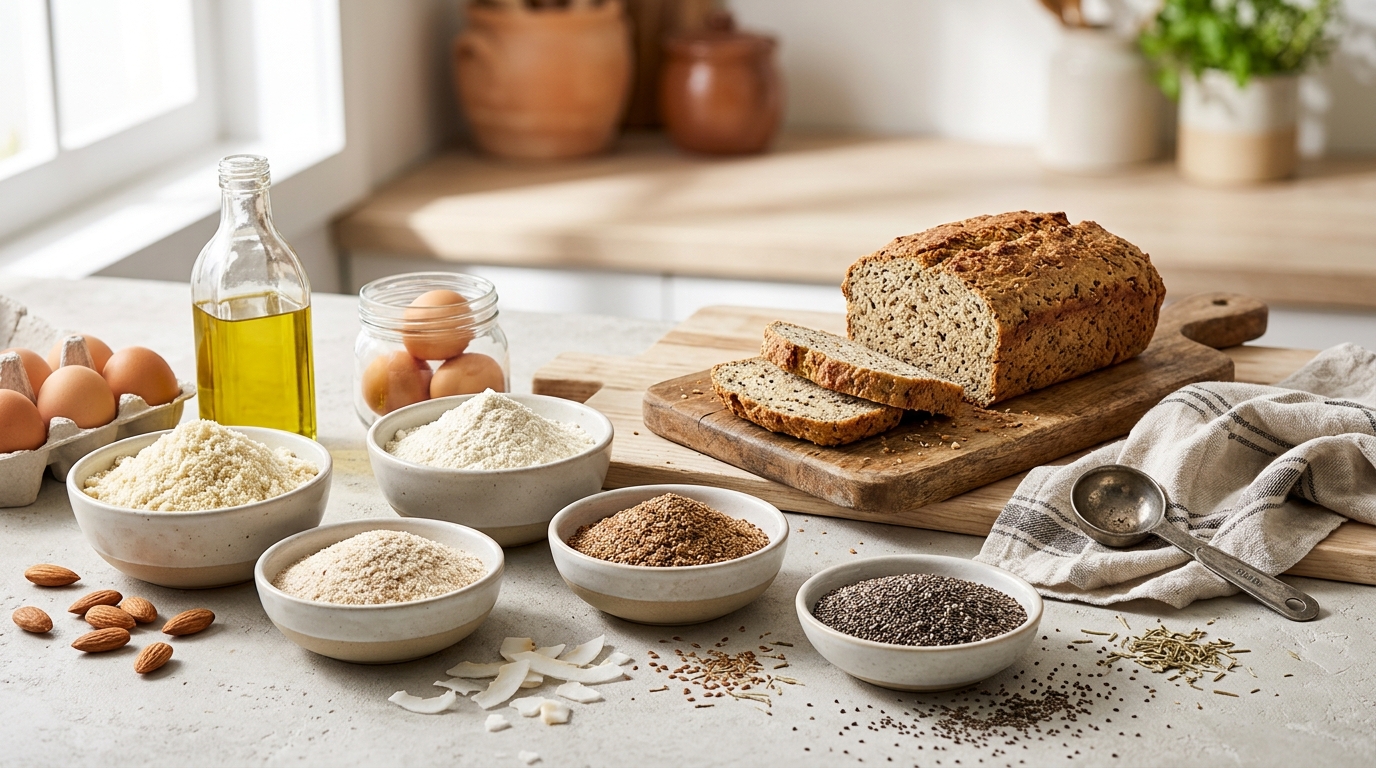
Low-Carb Bread Ingredients Explained
Understand wheat proteins, modified and resistant starch, fibers, allulose, and sugar alcohols so you can compare the exact bread label.
-

What Is Low-Carb Bread? A Beginner’s Guide
New to low-carb eating? Here’s a clear, no-jargon explanation of what low-carb bread actually is and how to start.
-

Best Bread for Diabetics: A Buyer’s Guide
Learn what to check when buying bread with diabetes: serving size, total carbohydrate, fiber, ingredients, toppings, and your individual care plan.
Coming Soon
Nutrition guides we are researching and preparing next.
Calories in Low-Carb Bread: Reading the Nutrition Facts
How to compare calories per slice, normalize different serving sizes, and read energy alongside fat, fiber, protein, and carbohydrates.
Coming SoonSeed Oils in Low-Carb Bread: Reading the Ingredient List
How to identify added oils and compare the ingredient list without assuming an oil-free label tells the whole story.
Coming SoonEmulsifiers in Low-Carb Bread: What They Do
A practical guide to common emulsifiers, why bread makers use them, and what shoppers can learn from the ingredient list.
Coming SoonGet the Free Net Carb Label-Reading Cheat Sheet
The exact formula, a sugar-alcohol subtraction chart, and the five label tricks brands use to make bread look lower-carb than it is.

